
When an underage driver causes a DUI accident in Colorado, liability can extend well beyond the teenage driver. The minor may face civil responsibility, but so may their parents, the owner of the vehicle, and any adult who provided alcohol or allowed underage drinking on their property. A DUI injury lawyer handling these cases investigates all of those angles from the start, because the teenage driver is rarely the only party accountable.
That answer matters because it directly affects what recovery looks like. A minor behind the wheel typically carries minimal insurance, if any, and pursuing only that driver often produces a judgment that can’t be fully collected. Identifying every responsible party changes the financial picture significantly.
Colorado’s approach to underage drinking and driving is strict, and the law creates a network of potential defendants in these crashes. Understanding who that includes, and why, gives injured victims a more complete view of their legal options.
The Bottom Line
- Colorado’s zero-tolerance law applies to drivers under 21 with any detectable amount of alcohol, a far lower threshold than the standard 0.08 BAC limit
- The teenage driver’s parents may face liability if they owned the vehicle or knew about the drinking and took no action
- Social hosts who provided alcohol to minors or permitted underage consumption at their home may be independently liable under Colorado law
- Minor drivers are treated as adults in civil court for purposes of negligence, meaning age alone does not shield a teenage driver from a personal injury lawsuit
- Underage DUI crashes frequently involve multiple defendants, each with their own insurance coverage, creating recovery sources that don’t exist in a typical DWI case
Colorado’s Zero-Tolerance Law and What It Means for Civil Claims
Colorado holds drivers under 21 to a stricter standard than adult drivers. Under C.R.S. 42-4-1301, a driver under 21 with any detectable blood alcohol content commits an offense, even if their BAC falls well below the 0.08 limit that applies to adults.
This is Colorado’s zero-tolerance standard, and it reflects a legislative judgment that no amount of alcohol is acceptable for underage drivers. In a civil injury case, that legal threshold carries significant weight.
Demonstrating that a teenage driver had any alcohol in their system establishes that they violated Colorado law at the time of the crash. That violation forms the foundation of a negligence per se argument, meaning the driver’s conduct is treated as negligent as a matter of law rather than something a jury must evaluate independently.
How Zero Tolerance Strengthens a Civil Case Against a Minor Driver
Negligence per se simplifies one of the harder questions in personal injury litigation. Instead of arguing whether the driver was impaired enough to be considered negligent, the violation of the zero-tolerance statute itself establishes the breach of duty.
That’s a meaningful procedural advantage in a case where the defendant may otherwise argue that their impairment was minimal. The minor’s BAC at the time of the crash, documented in a police toxicology report, becomes the primary evidence. Even a low BAC reading supports the civil case when the driver was under 21.
Can You Sue an Underage Driver’s Parents in Colorado?
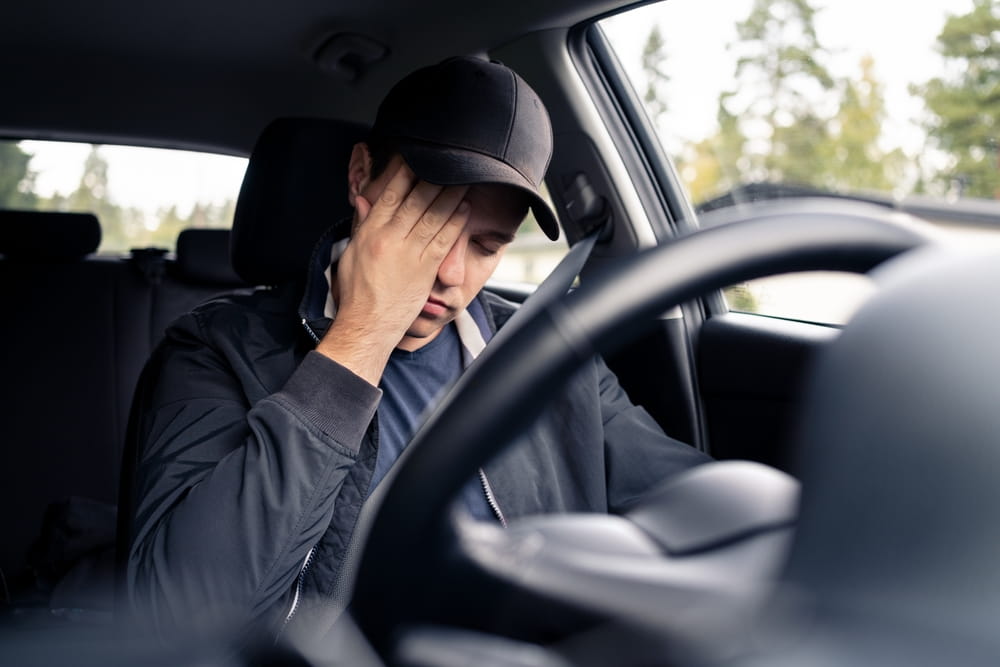
Parental liability for a minor’s driving is a question that comes up in nearly every teenage drunk driving crash. The answer depends on the specific facts, but Colorado law creates meaningful pathways to hold parents financially responsible.
Vehicle Ownership and the Family Purpose Doctrine
Colorado recognizes the family purpose doctrine, which holds that when a vehicle is owned or provided for family use, the owner may be liable for negligent operation by a family member. If the parents owned the car the teenager was driving, that doctrine creates a direct line of liability from the crash to the parents’ insurance policy.
Vehicle ownership alone doesn’t require any knowledge of the drinking. The liability flows from the ownership relationship and the permission, express or implied, to use the vehicle.
Parental Knowledge and Negligent Entrustment
Beyond vehicle ownership, parents who knew or should have known their child had been drinking and allowed them to drive anyway may face liability under a negligent entrustment theory. Entrusting a vehicle to someone the owner knows, or reasonably should know, is impaired creates independent liability for any resulting crash.
In underage DUI cases, text messages, social media activity, and witness accounts from the evening sometimes establish that parents were aware of the situation before the crash occurred. That evidence shapes how a negligent entrustment argument is built.
The Emotional Impact of Underage DUI Accidents in Colorado
The aftermath of an underage DUI crash extends far beyond the financial and legal consequences. The emotional and psychological toll can be profound and long-lasting, affecting not only the injured victim but also their families and even the young driver involved. While civil claims focus on financial recovery for tangible losses, understanding the invisible injuries is crucial for grasping the full scope of the harm done.
The Lasting Trauma for Injured Victims
For those injured by an underage drunk driver, the physical recovery is often just the beginning. The sudden, violent nature of a car crash can lead to significant psychological trauma, including Post-Traumatic Stress Disorder (PTSD), anxiety, and depression.
Victims may experience flashbacks, nightmares, and a persistent fear of driving or being a passenger in a car. A teenage drunk driver injury is more than physical.
Knowing the crash was caused by a teenager—someone who should not have been drinking or driving—can add a layer of anger and disbelief. It feels senseless and entirely preventable. This can complicate the grieving process for those who have lost a loved one or the recovery process for those navigating life-altering injuries. The emotional recovery often takes far longer than healing broken bones, and therapy or counseling is a common and necessary part of the journey.
The Ripple Effect on Families
Families of victims are thrown into crisis. They become caregivers, advocates, and sources of emotional support, all while dealing with their own fear, anger, and grief. The stress of managing medical appointments, navigating insurance claims, and worrying about a loved one’s future can be overwhelming.
When the victim is a primary earner, the financial strain adds another heavy burden. For parents of an injured child, the pain is compounded by a sense of helplessness. The emotional ripple effect touches every member of the family, altering relationships and daily life in ways that are difficult to quantify but impossible to ignore.
Social Host Liability: When the Party Host Becomes a Defendant

Colorado’s social host liability law is one of the more significant elements of underage DUI crash litigation. C.R.S. 12-47-801 creates liability for adults who serve or provide alcohol to visibly intoxicated minors, causing an underage drinking and driving accident.
When a teenage driver consumed alcohol at someone’s home before the crash, the adult who hosted that gathering may be independently liable for the resulting injuries.
This is separate from the dram shop liability that applies to licensed commercial establishments. Social host liability applies specifically in situations involving minors, not adult guests.
What Colorado’s Social Host Law Requires
The social host provisions under Colorado law focus on the adult’s role in facilitating the minor’s consumption. Purchasing alcohol for minors, providing a space where underage drinking is openly occurring, or actively supplying drinks to someone under 21 can all support a social host claim.
Adults who claim they didn’t know minors were drinking at their event face scrutiny over what was reasonably observable. If thirty teenagers were at a party and alcohol was present, a homeowner’s assertion that they had no knowledge of underage consumption may not survive the evidentiary record.
Social Host Claims and Insurance Coverage
Social host liability claims are often pursued against a homeowner’s insurance policy. Unlike a minor driver’s limited coverage, a homeowner’s policy frequently carries significantly higher limits and may cover liability arising from incidents on the property. Identifying whether that coverage applies to a specific situation is part of the early investigation in these cases.
The Insurance Problem in Teenage Drunk Driving Cases
A teenage driver’s insurance situation often presents the same challenge as other impaired driving cases, amplified. Young drivers may be listed on a parent’s policy with limited coverage, carry a policy in their own name with minimum limits, or in some cases have no insurance at all.
Colorado’s minimum liability requirement of $25,000 per person can fall far short of covering serious injuries, long-term medical needs, or lost wages for a working adult. That gap is why the full defendant picture matters so much in underage DUI crashes.
When parents, vehicle owners, and social hosts are brought into the claim, each may carry separate insurance coverage. A parent’s auto policy, a homeowner’s liability policy, and an umbrella policy can collectively represent a substantially different recovery landscape than the teenage driver’s policy alone.
What Injured Victims Need to Preserve Early
Evidence in underage DUI crashes has a short shelf life, and the multi-defendant nature of these cases means the investigation covers more ground than a standard impaired driving claim.
- The police report and toxicology results: The official documentation of the minor’s BAC, the crash details, and any field sobriety information form the core of the civil case
- Vehicle ownership and insurance records: Establishing whose name is on the title and what policies were active at the time determines which defendants have coverage to pursue
- Social media and digital communications: Posts, photos, and messages from the evening of the crash often document where the minor was drinking, who provided the alcohol, and what adults were present
- Witness accounts from the gathering: People who attended the same party or event where the minor drank may recall details about who furnished the alcohol and how visibly impaired the driver was before leaving
- Homeowner and umbrella insurance information: When a social host is a potential defendant, their property insurance information becomes as relevant as the driver’s auto coverage
The interaction between criminal proceedings against the minor and the civil case adds another layer. Statements made during criminal proceedings, plea agreements, and court records can all inform the civil claim, and monitoring those proceedings is part of building the strongest possible case.
How Colorado Treats Minors in Civil Court
A common misconception is that the driver’s age provides legal protection in a civil lawsuit. It does not. Colorado law treats minors as adults for purposes of civil negligence claims arising from their driving. The minor can be named as a defendant, and a judgment can be entered against them.
The practical challenge is collectability in a minor DWI crash lawsuit. A teenager typically has no significant assets, and a judgment against them personally may not produce immediate payment.
That’s precisely why the surrounding defendants, parents, vehicle owners, and social hosts, matter as much as they do. They are the parties most likely to have insurance coverage sufficient to address serious injuries.
The Statute of Limitations and Minor Defendants
Colorado’s standard three-year personal injury statute of limitations applies to these claims under C.R.S. 13-80-101. Specific tolling provisions may apply in cases involving minor victims, but claims involving minor defendants move on the standard timeline. Waiting to pursue a claim because the at-fault driver was young doesn’t extend the window available to file.
FAQ for Underage DUI Accidents in Colorado
What is Colorado’s zero-tolerance law for underage drivers?
Colorado prohibits drivers under 21 from operating a vehicle with any detectable amount of alcohol in their system. Unlike the 0.08 BAC standard that applies to adult drivers, even a trace amount triggers a violation for an underage driver.
In a civil injury case, that violation may support a negligence per se argument, meaning the law itself establishes the breach of duty.
Can I sue a teenager’s parents if their child caused a drunk driving crash?
Parental liability depends on the specific facts. If the parents owned the vehicle, Colorado’s family purpose doctrine may hold them responsible for their child’s negligent driving. If they knew their child had been drinking and allowed them to drive anyway, negligent entrustment may apply. Either theory creates a path to the parents’ insurance coverage.
How long do I have to file a claim after an underage DUI crash in Colorado?
Colorado’s personal injury statute of limitations gives injured victims three years from the date of the crash to file a civil claim. That timeline applies regardless of the at-fault driver’s age. Some tolling provisions may apply when the injured party is also a minor, but those situations are fact-specific and worth discussing with an attorney early.
The Broader Picture of an Underage DUI Crash Claim

Lawyer
Knowing that an underage driver hit you is only the beginning of understanding who may be accountable for what happened. What would it mean for the outcome of your claim to know that the teenager behind the wheel was only one piece of a larger liability picture? Contact the injury attorneys at Slingshot Law to talk through the full scope of what the facts in your case may support.