What does Colorado’s Premises Liability Act mean for Grand Junction injury victims?Colorado’s Premises Liability Act uses visitor status to decide what a landowner may owe after someone is hurt on real property.
Colorado’s Premises Liability Act matters for Grand Junction injury victims because visitor status can affect what a property owner legally owed when the injury happened.
Whether you were an invitee, licensee, or trespasser may shape the claim after an injury at a store, apartment complex, restaurant, hotel, parking lot, or other property.
Visitor status is not a formality. It can affect the proof needed to show a Grand Junction property owner knew about a hazard, should have known about it, or owed only a limited duty under Colorado law.
What to Know About Colorado’s Premises Liability Act
- The Colorado Premises Liability Act applies to injuries that occur on real property because of a property condition, activity, or circumstance on that property
- Colorado law connects recovery to whether the injured person was an invitee, licensee, or trespasser
- The court determines a plaintiff’s visitor status under the Act, while liability and damages are decided by the jury or the court if there is no jury
- Colorado’s general limitation statute gives many tort claims a two-year filing deadline, although special rules can apply depending on the property, defendant, and claim type
- Claims involving a public entity can raise a separate 182-day written notice issue under the Colorado Governmental Immunity Act
How the Colorado Premises Liability Act Works in Grand Junction
Colorado’s Premises Liability Act is the main statute for many injury claims involving unsafe property conditions. It applies when someone claims they were hurt on another person’s real property because of the condition of the property, activities conducted there, or circumstances existing there.
In Grand Junction, that can include incidents at grocery stores on North Avenue, businesses downtown, hotels near the airport, apartment complexes in Orchard Mesa or Clifton, and retail areas around Mesa Mall. Slingshot Law’s Grand Junction premises liability page also identifies property injury claims involving stores, restaurants, public sidewalks, parking lots, hotels, apartments, schools, parks, and nursing homes.
Real Property and Landowner Control
The Act is focused on real property and the people or entities connected to it. Colorado law defines a landowner broadly, including an authorized agent, a person in possession of real property, or a person legally responsible for the property condition or activities on the property.
That means the responsible party is not always just the titled owner. A claim may involve a store operator, property manager, landlord, maintenance company, tenant business, or another party with control over the area where the injury happened.
Property Owners Are Not Automatically Responsible
A property owner is not automatically responsible every time someone gets hurt. The Act limits landowner liability to the categories and duties listed in the statute. The injured person’s visitor status, the property owner’s knowledge, and the cause of the injury all matter.
This is why early evidence review matters. The same incident can be evaluated differently depending on whether it happened inside a business, in a common area, behind a restricted door, on a public sidewalk, or in a parking lot controlled by a different entity.
Why Does Visitor Status Matter?
Visitor status matters because Colorado law gives different protections to invitees, licensees, and trespassers. The legislature describes the Act as connecting recovery to the injured person’s status on the land. It also states that landowners owe a higher standard of care to invitees than licensees, and a higher standard to licensees than trespassers.
For a Grand Junction injury victim, that means the reason for being on the property can shape the entire claim. A customer in a store, a social guest at a home, and a person entering without consent may face different legal standards.
What Visitor Status Means Under Colorado’s Premises Liability Act
Colorado law uses three main visitor categories: invitee, licensee, and trespasser. These categories are not just labels. They affect what the injured person may need to show about the property condition and the landowner’s knowledge.
| Visitor Status | Common Example | Landowner’s Duty of Care | Basic Colorado Law Concept |
|---|---|---|---|
| Invitee | Customer in a store, hotel guest, restaurant patron | Reasonable care against dangers the landowner knew or should have known about | The person enters for business purposes or because the public is requested, expected, or intended to enter |
| Licensee | Social guest at a home | Against dangers landowner actually knew about | The person enters for their own convenience or interests with permission or consent |
| Trespasser | Person entering without consent | Against damages willfully or deliberately caused | The person enters or remains without the landowner’s consent |
Invitees Under Colorado’s Premises Liability Act
An invitee is someone who enters or remains on another person’s land to transact business in which both sides are mutually interested, or because the landowner represented that the public was requested, expected, or intended to enter.
Customers, hotel guests, restaurant patrons, and people visiting open commercial spaces are common examples. Under the Act, an invitee may recover for damages caused by the landowner’s unreasonable failure to use reasonable care to protect against dangers the landowner actually knew about or should have known about, subject to statutory exceptions.
Licensees Under Colorado’s Premises Liability Act
A licensee is someone who enters or remains on land for their own convenience or interests, with the landowner’s permission or consent. Colorado law specifically includes a social guest in the licensee category.
A licensee may face a more limited standard than an invitee. The statute focuses on dangers created by the landowner that the landowner actually knew about, or certain dangers not created by the landowner that were not ordinarily present on that type of property and that the landowner actually knew about.
Trespassers Under Colorado’s Premises Liability Act
A trespasser is someone who enters or remains on land without the landowner’s consent. Under Colorado’s Premises Liability Act, a trespasser may recover only for damages willfully or deliberately caused by the landowner.
That is a narrow standard. Still, trespassing issues should be reviewed carefully because consent, property boundaries, signage, age, and the exact location of the incident can all become disputed.
Can Visitor Status Change a Grand Junction Injury Claim?
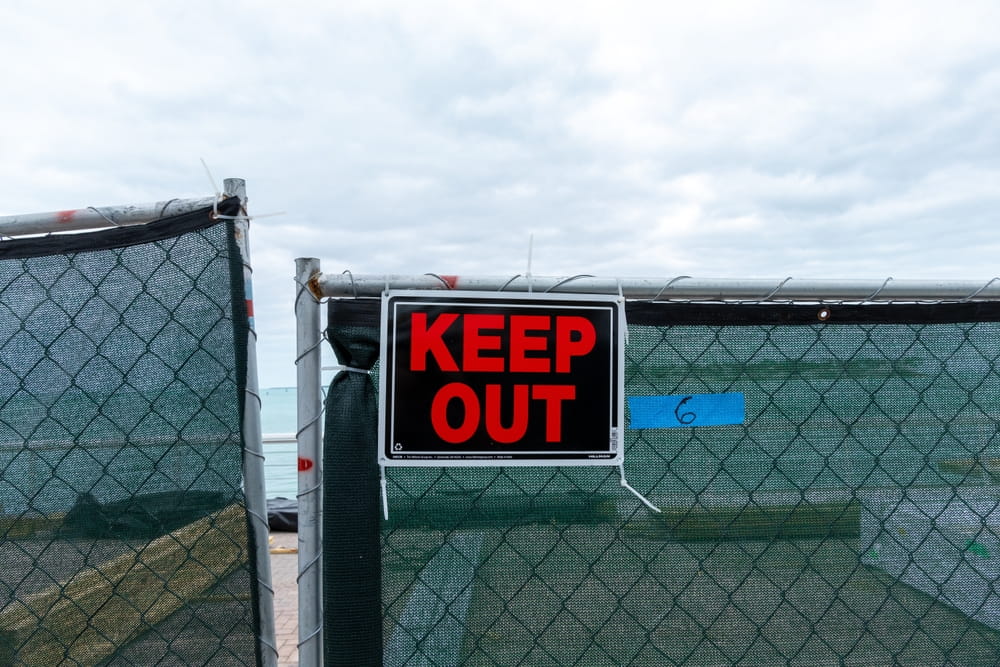
Visitor status can change a Grand Junction injury claim because it affects the legal duty owed by the property owner or landowner. A person who appears to be an invitee at first may be treated differently if the injury happened in an area where customers were not expected to go.
For example, a person shopping inside a store may have a different status than someone who walks into an employee-only storage area. A tenant’s guest may have a different analysis than a person entering a locked utility space without permission.
What If the Property Owner Says You Were Trespassing?
A trespassing argument does not end the analysis by itself. The question is whether the facts support that label under Colorado law. The statute defines a trespasser as someone who enters or remains without the landowner’s consent, but consent may be disputed in real cases.
Useful facts may include where the injury happened, whether the area was open to the public, whether doors or gates were locked, whether warning signs were visible, and whether the landowner had allowed similar access before.
Visitor Status Can Depend on the Reason for Being There
Visitor status often depends on the reason the person entered the property. A customer buying groceries, a delivery driver entering a designated drop-off area, a friend visiting an apartment, and a person cutting through private property may not be treated the same way.
Grand Junction injury claims often turn on details that seem small at first. A receipt, appointment confirmation, text message, lease record, delivery instruction, or witness statement may help show why the person was on the property.
Multiple Defendants Can Create Different Status Questions
Different defendants can create different visitor-status questions in the same case. Colorado law says that if two or more landowners are defendants, the court determines how the Act applies to each landowner.
This can matter in a shopping center, apartment complex, hotel, construction area, or shared parking lot. One entity may own the property, another may manage it, and another may control the specific area where the injury occurred.
Evidence That Helps Show Visitor Status and Property Knowledge
Evidence can help show why the injured person was on the property and what the landowner knew or should have known. The practical goal is to connect the location, reason for entry, property condition, and responsible parties.
Practical Records to Gather After a Premises Injury
Many injury victims find it helpful to organize records before speaking with a lawyer. Useful records may include incident reports, photographs, witness names, store receipts, appointment confirmations, lease documents, maintenance requests, emails, text messages, insurance letters, and the exact location of the injury.
For a Grand Junction premises liability claim, location details can matter. A fall inside a Main Street business, a parking lot incident near Mesa Mall, or an injury at an apartment complex in Clifton may involve different cameras, policies, maintenance records, and responsible parties.
Local Details That May Affect a Grand Junction Claim
Local details can affect how evidence is found and reviewed. The property may be privately owned, leased by a business, managed by a separate company, or connected to a public entity. A claim involving public property can also raise a shorter notice issue under Colorado law.
It may also matter whether the property is commercial, residential, agricultural, vacant, or open to the public. Colorado’s invitee standard has a specific rule for land classified for property tax purposes as agricultural or vacant land.
Comparative Negligence and Insurance Arguments
Comparative negligence can affect a Colorado premises liability claim if the property owner or insurer argues that the injured person shares fault. Colorado law allows damages to be reduced based on the injured person’s percentage of negligence, and recovery may be barred if that percentage is equal to or greater than the defendant’s negligence.
In property injury cases, these arguments may focus on where the person was walking, whether the condition was visible, whether warning signs existed, or whether the person was allowed to be in that area.
Colorado Premises Liability Act Questions Answered by Our Grand Junction Attorneys
What is the statute of limitations for premises liability in Colorado?
Many Colorado premises liability claims fall under the two-year deadline for tort actions in C.R.S. § 13-80-102. The deadline can depend on the claim type, defendant, and facts, so the filing period should be checked early. Claims involving public entities may also involve separate written notice requirements.
Can I sue a landlord for an injury at an apartment complex in Colorado?
A landlord or property manager may be part of a premises liability claim if that party was legally responsible for the area or condition involved. Colorado’s landowner definition includes people in possession of real property and people legally responsible for property conditions or activities. The exact lease, maintenance responsibilities, and location of the injury matter.
What if I was injured at a business but no one saw it happen?
A witness can help, but a claim does not always depend on eyewitness testimony. Other evidence may include video, incident reports, photographs, inspection logs, maintenance records, receipts, employee statements, and the timing of cleanup or repairs. The key question is often what the business knew or should have known under the visitor-status rules.
Does Colorado’s Premises Liability Act cover snowy or icy walkways?
Snow and ice injuries may fall under Colorado premises liability law when they involve a property condition on real property. The analysis depends on where the incident happened, who controlled the area, the injured person’s visitor status, and what the landowner knew or should have known. Public property and leased property can add separate legal issues.
Getting Answers Before the Claim Gets Narrowed

Property injury claims can become narrow quickly once an insurance company decides what visitor status applies. That early label may not tell the whole story, especially when the injury happened at a business, apartment complex, parking lot, hotel, or public-facing property in Grand Junction. Contact the injury attorneys at Slingshot Law to talk through the specific facts of your premises liability claim and what your claim may actually be worth.