

Why are mild TBIs after Grand Junction accidents often undervalued?Concussions are often discounted because they may not look obvious, symptoms can be documented after the crash, and insurance companies may treat the word “mild” as proof the injury had little impact.
A mild TBI after a Grand Junction accident can still affect work, driving, sleep, communication, and daily responsibilities. The word mild often gives insurance companies room to minimize the claim before the full impact is documented. Speaking with a personal injury lawyer in Grand Junction early can help protect the evidence before it disappears.
The CDC describes mild TBIs and concussions as serious injuries, even though they are usually not life-threatening. That distinction matters because not life-threatening does not mean not disruptive.
The Facts on Mild TBI After a Grand Junction Accident
- A concussion is a form of mild traumatic brain injury, and “mild” does not mean the effects are always minor
- Some concussion symptoms may be documented after the crash, which can create insurance disputes about timing and causation
- Normal imaging does not automatically defeat a concussion claim
- Colorado generally gives three years for many bodily injury claims arising from the use or operation of a motor vehicle
- Strong concussion claims often rely on medical records, symptom timelines, witness observations, and proof of daily-life changes
Why Concussions Are Consistently Undervalued in Grand Junction Accident Claims
Concussions are consistently undervalued in injury claims because they are often harder to see, harder to measure, and easier for an insurance company to minimize than a broken bone or visible wound. The absence of dramatic early records can become a settlement tactic.
| Undervaluation Issue | How It Shows Up in a Claim | Evidence That May Help |
|---|---|---|
| “Mild” label | The insurer treats the injury as minor | Follow-up records, work impact, daily-life notes |
| Normal imaging | The insurer argues there is no objective injury | Medical opinions and functional records |
| Delayed symptoms | The insurer argues the crash did not cause the problem | Timeline, early complaints, family observations |
| Invisible changes | The insurer misses cognitive or behavior changes | Witness statements, job records, routine changes |
| Prior history | The insurer blames old records | Before-and-after comparison, treating-provider notes |
Why Do Insurance Companies Discount Concussions?
Insurance companies often discount concussions because the injury may not be visible in photographs, repair estimates, or standard imaging. A claim involving a “mild” TBI may depend on patterns in records instead of one obvious piece of proof.
That makes documentation especially important. Medical visits, consistent reports, work limitations, missed activities, and observations from people who knew the injured person before the crash can help show what changed.
The Injury Is Often Invisible
An invisible injury can be easy to dismiss when an adjuster is looking for simple proof. Vehicle photos may not show the force on the person inside the car, and a person may look physically fine while struggling with ordinary tasks.
This is where before-and-after evidence matters. Coworkers, family members, and close friends may notice changes in focus, stamina, communication, mood, or reliability before those changes are fully captured in formal records.
Delayed Complaints Get Misread
Delayed complaints get misread because insurers often look for the first medical record that mentions the injury. If the first report focuses on other pain or visible injuries, the insurer may argue that the concussion symptoms appeared too late.
That argument can miss how crashes unfold. A person may not recognize the full effect right away, especially when the first priority is transportation, pain, property damage, or the immediate stress of the crash.
Old Medical Records Can Be Used Out of Context
Old medical records can be used out of context when the insurance company searches for another explanation. Prior headaches, anxiety, sleep issues, attention problems, or earlier concussions may become arguments against the claim.
A stronger review compares the person’s life before and after the Grand Junction accident. The issue is not whether any prior condition existed. The issue is whether the crash caused new problems, worsened existing problems, or changed the person’s ability to function.
Mild TBI After a Grand Junction Accident Is Still a Brain Injury
A mild TBI after a Grand Junction accident is still a brain injury, even when the first medical records do not look dramatic. The legal problem is that the label can make the injury sound small before the evidence shows how it affects the person’s life.
Grand Junction crashes on I-70, North Avenue, Patterson Road, the I-70 Business Loop, or U.S. Highway 6 and 50 may involve sudden movement, vehicle rotation, impact forces, or a direct blow. The claim should focus on what changed after the crash, not just the word used in the diagnosis.
The Word Mild Can Be Misleading
Mild usually describes the initial medical classification, not the day-to-day disruption that follows. A person may have a mild TBI diagnosis and still struggle with normal work, family, and household routines.
That difference matters in settlement negotiations. An adjuster may treat mild as shorthand for quick recovery, while the injured person may be dealing with missed work, reduced concentration, changed routines, and family concerns that do not fit neatly into the first medical note.
Normal Imaging Does Not End the Claim
Normal imaging does not end a concussion claim. Standard scans are often used to look for more urgent medical concerns, but a normal scan does not prove that no concussion occurred.
Insurance companies may still point to a normal scan as if it disproves the injury. A legal claim often needs a broader evidence review, including medical records, follow-up notes, work records, family observations, and functional changes after the crash.
Symptoms May Not Be Documented Right Away
Delayed documentation can make a concussion claim harder, but it does not automatically make the injury unrelated. Some people focus first on neck pain, vehicle damage, transportation, insurance calls, or getting home from the scene.
If cognitive, sleep, mood, or daily-function issues are documented later, the timeline becomes especially important. The records should show when symptoms appeared, when they were reported, and how they affected ordinary activities.
What Evidence Connects a Mild TBI to a Grand Junction Accident?
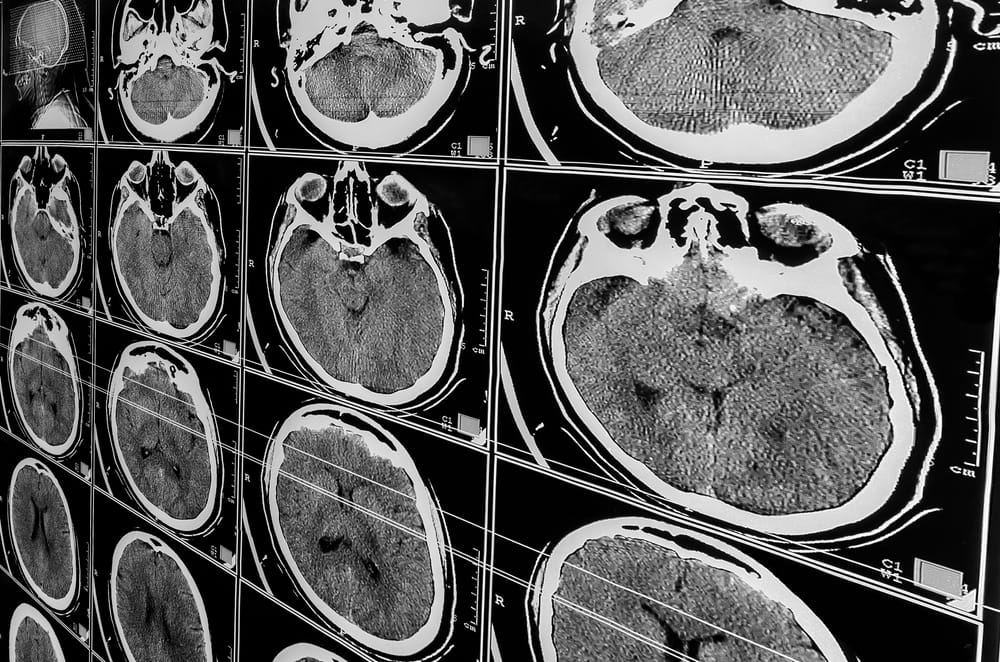
Evidence connects a mild TBI to a Grand Junction accident by showing the crash mechanism, the timing of symptoms, the medical follow-up, and the real-world changes that followed. The goal is to build a record that does not rely on one phrase in one chart.
What Medical Records Support a Mild TBI Claim?
Medical records that support a mild TBI claim often show repeated complaints, follow-up care, referrals, testing, restrictions, and changes in daily function. Consistency over time can matter as much as the first diagnosis.
Gaps, vague complaints, or one-time references can create room for dispute, especially when the insurer is already treating the word mild as a reason to discount the injury.
Accident Details Help Explain the Mechanism
Accident details help explain why a concussion is being connected to the crash. Relevant details may include where the vehicle was struck, whether the person’s head hit anything, whether the body was thrown forward or sideways, whether airbags deployed, and how the person felt in the hours after impact.
The exact Grand Junction location may also matter. A crash on I-70 may involve different speed and impact arguments than a broadside collision on North Avenue or a rear-end crash near downtown.
Work and Daily-Life Evidence
Work and daily-life evidence can help show the difference between a diagnosis and its impact. A concussion claim may involve reduced hours, mistakes at work, missed school, changed household duties, canceled activities, or family members noticing a difference.
This evidence is not a substitute for medical records. It supports the damages picture by showing how the injury affected the person outside the exam room.
Colorado Legal Issues in Mild TBI Accident Claims
Colorado law affects a “mild” TBI claim through deadlines, fault rules, insurance coverage, and proof of damages. A concussion claim can be medically subtle and legally complex at the same time.
Colorado Deadlines Can Still Apply
Colorado deadlines can still apply even when symptoms develop over time. The Colorado motor-vehicle limitations statute generally gives three years for tort actions involving bodily injury or property damage arising from the use or operation of a motor vehicle.
The deadline is not the only timing issue. Video footage may be overwritten, witnesses may become harder to reach, and early claim notes may shape how the insurance company views the case.
Shared Fault Arguments Can Affect Compensation
Shared fault arguments can affect compensation if the insurer claims the injured person contributed to the crash. In a concussion claim, fault arguments may be paired with injury arguments.
The insurer may dispute both how the crash happened and whether the crash caused the TBI. Strong evidence can help separate crash responsibility from injury minimization.
Insurance Limits May Shape Strategy
Insurance limits may shape the strategy in a “mild” TBI claim because concussion losses can extend beyond the first few medical bills. Minimum coverage may not fully reflect the losses in a serious injury claim.
Depending on the facts, a claim review may also look at uninsured motorist coverage, underinsured motorist coverage, medical payments coverage, commercial coverage, or other available policies.
Helpful Records After a Mild TBI in Grand Junction

Helpful records after a “mild” TBI in Grand Junction are the records that connect the crash, the injury, and the life impact. Many people focus only on bills, but concussion claims often need a broader picture.
Records to Organize Before a Legal Review
Many claimants find it helpful to organize records before speaking with a lawyer. Useful materials may include:
- Crash report number and responding agency
- Photos of vehicle damage and the crash scene
- Medical records and follow-up instructions
- Insurance letters, claim numbers, and adjuster names
- Work absence records and pay information
- Notes about missed responsibilities or changed routines
- Names of people who noticed changes after the crash
- Any available camera, dashcam, or business footage information
These records can make the first legal review more productive. They also help identify what may still need to be requested before evidence disappears.
How Can a Simple Timeline Help?
A simple timeline can help by showing what changed and when. It may start with the crash location, direction of travel, first symptoms or concerns, first medical visit, follow-up visits, missed work, insurance calls, and changes noticed by family or coworkers.
The timeline does not need to be polished. It should help preserve details while they are still fresh, especially if the concussion was not fully documented in the first medical record.
Mild TBI After a Grand Junction Accident: Questions Answered by Our Grand Junction Attorneys
Can I bring a claim if I did not lose consciousness?
A person may still have a concussion or mild TBI without losing consciousness. The legal issue is whether the evidence connects the injury to the accident and shows resulting damages. Medical records, crash details, witness observations, and follow-up documentation may all matter.
Does a normal CT scan hurt a concussion claim?
A normal CT scan can become an insurance argument, but it does not automatically defeat a concussion claim. A claim may still rely on medical evaluation, symptom history, testing, and evidence of functional change.
What if my concussion symptoms started after I left the scene?
Symptoms that appear after leaving the scene may still be relevant. The timing should be documented carefully because insurers often focus on delays when disputing causation.
Can a passenger bring a mild TBI claim after a Grand Junction crash?
A passenger may have a claim if another person’s negligence caused the crash and the passenger suffered a concussion or other injury. The responsible party could be another driver, the driver of the passenger’s vehicle, or multiple drivers.
Getting the Claim Taken Seriously

A mild TBI claim can start to feel like a fight over whether the injury is real. The better question is whether the records, timeline, and witness observations show a clear before-and-after picture.
Slingshot Law Injury Attorneys helps injured drivers and passengers in Grand Junction, Clifton, Fruita, Palisade, Orchard Mesa, and surrounding Mesa County communities. Contact the injury attorneys at Slingshot Law to talk through the specific facts of your concussion claim and what it may actually be worth. For a free consultation, call (800) 488-7840.