A wrongful death case is not really about the case. It is about a person who is gone, the family that is still here, and the legal system asking them to put a number on what was taken. The work of the lawyer is to make that calculation honest — to insist that the loss be measured in what it actually was rather than in what an insurance company would prefer to call it.
Colorado wrongful death law puts strict limits on who can file the claim, what damages are available, and how long the family has to act. The framework is older than most of the people working under it, and it differs from other states in ways that matter. A Grand Junction wrongful death lawyer translates that framework into a case that the family can actually pursue without learning the rules the hard way.
Slingshot Law – Injury Attorneys handles wrongful death claims across Mesa County and the Western Slope, including deaths from motor vehicle crashes, commercial truck collisions, workplace incidents, motorcycle crashes, and negligence on the part of property owners and other third parties. Free case reviews are available for surviving spouses, children, and parents.
Call (800) 488-7840 for a case review.
Who Can File a Wrongful Death Claim in Colorado?
Colorado’s wrongful death statute is restrictive about who has standing to bring the claim, and the answer changes depending on how long it has been since the death. The framework is set out in C.R.S. § 13-21-201, and it sets a sequence that determines who has the right to file at each stage.
The Statutory Hierarchy
- First year after the death: The surviving spouse holds the exclusive right to file, unless the spouse provides written consent for an heir to join the action.
- Second year after the death: The surviving spouse and the deceased’s heirs may both file. If the spouse declines to file, the heirs may proceed without consent.
- No surviving spouse or heirs: The deceased’s parents may file the wrongful death claim.
The statute creates a strict order, and confusion about who has standing is one of the most common procedural problems in Colorado wrongful death cases. A claim filed by the wrong party in the wrong year can be challenged on standing grounds even when the underlying liability is clear.
What Counts as an Heir Under the Statute
The heirs entitled to file under the second-year window are the deceased’s lineal descendants — children, including legally adopted children, and in their absence, grandchildren. Stepchildren without legal adoption do not have statutory standing under Colorado law, regardless of the closeness of the actual relationship. This is one of the ways the statute creates outcomes families do not anticipate.
Survival Actions Run on a Different Track
A wrongful death claim compensates the surviving family for their loss. A separate proceeding, called a survival action, allows the deceased’s estate to recover damages the deceased themselves could have pursued if they had lived — medical expenses before death, lost earnings between injury and death, and pain and suffering between injury and death. These are filed by the personal representative of the estate, not the family members under the wrongful death statute, and they often run in parallel.
What Damages Does Colorado Allow in a Wrongful Death Case?
Colorado wrongful death damages fall into two main categories: economic losses that can be calculated through documentation, and non-economic losses that compensate the family for the human cost of the death. The state caps non-economic damages under C.R.S. § 13-21-203, and the cap is one of the central facts of every Colorado wrongful death case.
Economic Damages
Economic damages compensate the surviving family for the financial contribution the deceased would have made over the rest of their working life. The calculation includes lost wages and earning capacity from the date of death through the end of expected working years, lost employment benefits, lost household services the deceased provided, and the financial value of guidance and support the deceased would have given children or dependents.
These numbers are built by economists and vocational analysts working from the deceased’s actual earnings history, projected career trajectory, and the family’s specific dependence on the deceased’s income. They are not estimates pulled from averages.
Non-Economic Damages and the Statutory Cap
Non-economic damages compensate the surviving family for grief, loss of companionship, loss of consortium, emotional distress, and the loss of the relationship itself. Colorado caps these damages at a statutorily adjusted amount, which the legislature has periodically raised. The current cap is set out in the statute and adjusted for inflation.
The cap does not apply in all cases — felonious killing exemptions and certain other circumstances remove the cap entirely.
Punitive Damages in Wrongful Death
Punitive damages are available in Colorado wrongful death cases when the conduct causing the death was willful and wanton. Drunk driving deaths, gross safety violations in commercial trucking or workplace settings, and similar conduct can support punitive awards beyond the compensatory damages.
What Are the Most Common Causes of Wrongful Death Cases We Handle?

Wrongful death claims in Mesa County and across the Western Slope arise from the same incident patterns that produce serious personal injury cases. The legal framework changes when the injury becomes fatal, but the underlying liability questions remain.
Motor Vehicle and Commercial Truck Crashes
Fatal crashes on I-70, US-50, and the mountain routes that draw drivers through Mesa County involve the same liability questions as serious injury crashes, with the addition of the wrongful death procedural framework. Commercial truck crashes are particularly common in fatal cases because of the size disparity, potential violations of federal regulations, and the higher policy limits available.
Workplace and Industrial Fatalities
Fatalities on construction sites, in oil and gas operations across the Western Slope, and in industrial settings produce wrongful death claims that may run parallel to workers’ compensation death benefits. Third-party claims against contractors, equipment manufacturers, and property owners remain available even when the deceased’s employer is a workers’ comp subscriber.
Motorcycle Fatalities
The roads that make Grand Junction a destination for riders — the Grand Mesa, Rim Rock Drive, the backcountry routes — also produce a disproportionate share of fatal motorcycle crashes. The bias issues that affect injury claims do not disappear when the case becomes a wrongful death; if anything, they intensify, because the rider is no longer available to testify to what actually happened.
Pedestrian and Bicyclist Fatalities
Pedestrians and cyclists hit by motor vehicles in downtown Grand Junction, on county roads, and along the I-70 frontage corridor produce wrongful death claims with their own evidentiary patterns. Driver visibility, road design, lighting, and the at-fault driver’s attention at the moment of impact become central questions.
Premises and Negligent Security Deaths
Fatal incidents at properties — falls on commercial property, deaths during assaults at apartment complexes or bars, drowning incidents at hotel pools, and other premises-related fatalities — proceed under Colorado premises liability law applied to a wrongful death claim. Foreseeability, visitor status, and the property owner’s duty all carry forward into the fatal case.
Why Slingshot Law – Injury Attorneys for Your Grand Junction Wrongful Death Case?
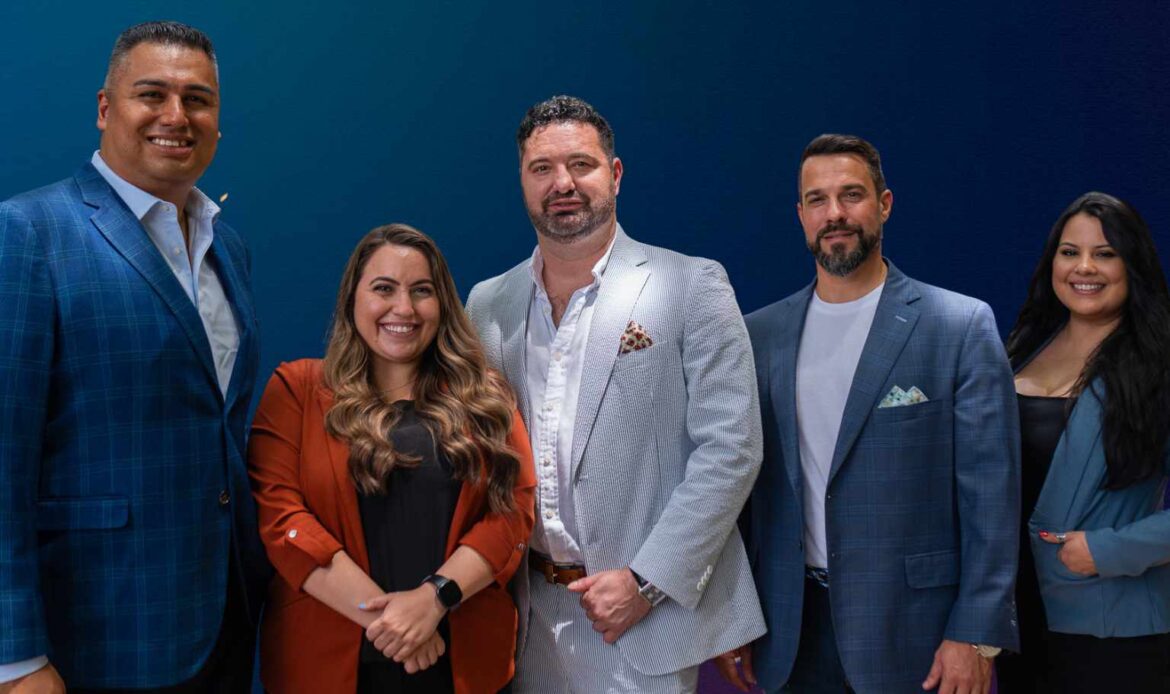
Wrongful death cases require a different kind of attention than any other personal injury matter. The family is making the worst decisions of their life on a deadline, with people they have just met, against insurance companies that have already calculated what they think the case is worth.
Direct Attorney Involvement From the First Conversation
The attorney you talk to at intake is the attorney handling your case. Wrongful death is not a practice area for client hand-offs. Every meaningful decision — which damages theories to pursue, whether to file suit or negotiate, when to push to trial — comes from the lawyer responsible for the file.
Trial Readiness That Settles Cases Fairly
Wrongful death cases settle for what insurers believe they would lose at trial. Cases that look like they will be tried produce different settlement offers than cases that look like they will not. Building the file from the first day with the trial endpoint in view is what produces full-value settlements, not settlement-first posturing.
Prosecutor Background in Cases Involving Criminal Conduct
Drew Gibbs served as a prosecutor for years before joining Slingshot Law – Injury Attorneys. Wrongful death cases that involve underlying criminal conduct — DUI fatalities, felony deaths, deaths during commission of a crime — benefit from a lawyer who understands how the criminal case and the civil case relate. The two run on separate tracks but produce evidence each can use, and coordinating them is the work.
JAG Background That Carries Long Cases Methodically
Scott Crivelli served as an active duty Army Judge Advocate General (JAG) Corps officer. Wrongful death cases routinely take eighteen months to three years from intake to resolution. They involve multiple parallel investigations, economic and vocational analyses, and family members whose involvement and emotional capacity changes over the course of the case. Carrying that work without losing track of any of it requires structured project management, which is what JAG work trains.
Call (800) 488-7840 for a case review.
FAQ for Grand Junction Wrongful Death Lawyer
How Long Does the Family Have to File a Colorado Wrongful Death Claim?
Two years from the date of death under C.R.S. § 13-80-102. The statute of limitations for wrongful death runs from the death itself, not from the underlying injury that caused it. The standing hierarchy described above runs concurrently, which means the surviving spouse has a one-year exclusive window during a two-year overall limitations period.
Does Workers’ Comp Bar a Wrongful Death Claim Against an Employer?
In most cases, yes. Colorado’s workers’ compensation exclusive remedy generally bars wrongful death claims against the deceased’s employer, with workers’ comp death benefits paid through the comp system instead. Third-party wrongful death claims against parties other than the employer remain available, and they often produce the bulk of the recovery in workplace death cases.
What Happens If the Person Responsible for the Death Was Also Killed?
A wrongful death claim survives the at-fault party’s death. The claim proceeds against the at-fault party’s estate, and any available insurance coverage remains in play. This is most common in fatal multi-vehicle crashes where multiple parties are killed.
Are Wrongful Death Settlements Taxable in Colorado?
Compensatory wrongful death damages — economic losses, loss of consortium, and most non-economic damages — are generally not subject to federal income tax under IRS Publication 4345. Punitive damages are taxable. State tax treatment generally follows the federal framework. Tax analysis at settlement is one of the planning steps that affects the family’s net recovery.
The Insurer Has Already Written Its First Offer. It Will Not Be the Right Number.
In every wrongful death file an insurer touches, the opening number is calculated against a single question: what will this family accept while they are still in the early grief of a death they did not see coming. It is not a calculation against trial value. It is not a calculation against the family’s actual economic loss. It is the number the carrier believes will close the case before the family is in a position to know what closing the case actually means.
That number arrives in the first thirty to ninety days. It is presented warmly. It is framed as a way to help the family move forward. The release attached to it ends every claim the family will ever have against the at-fault party, regardless of what gets discovered later.
If your family lost someone in Mesa County or anywhere on the Western Slope and an insurer has already made contact, talk to us before you respond.
Call (800) 488-7840 for a case review with the attorney who will handle the file.
Slingshot Law – Injury Attorneys: Grand Junction Office
Address: 734 Main St Ste 102, Grand Junction, CO 81501
Phone: (800) 488-7840