

The financial value of a dog bite settlement depends heavily on the severity of the injuries, required medical treatments, and the psychological impact on the victim.
When people ask how much is a dog bite claim worth, a personal injury lawyer typically looks at whether the incident caused permanent scarring, nerve damage, or significant missed time from work.
Some cases resolve for a few thousand dollars to cover basic emergency room visits, while severe incidents could result in settlements reaching much higher amounts to fund long-term care.
An unexpected attack leaves physical wounds and deep emotional scars that can change daily routines. Victims frequently face mounting medical bills for reconstructive surgeries, physical therapy, and infection management. The fear of another incident can make simple activities like walking down the street feel incredibly stressful for both children and adults.
All these factors are considered in a settlement claim.
How Much Is a Dog Bite Claim Worth?
- The value of a dog bite claim depends on injury severity, medical costs, emotional trauma, and long-term impact on the victim’s life
- Both economic damages (medical bills, lost wages) and non-economic damages (pain and suffering) factor into the total recovery
- Homeowners and renters insurance often covers dog bite claims, but policy limits and breed exclusions can limit or eliminate coverage
- State laws — including strict liability and one-bite rules — determine who is responsible and how much can be recovered
- Strong evidence including medical records, photographs, and witness statements significantly strengthens a claim’s value
- Delaying medical care or accepting an early settlement offer are among the most common mistakes that reduce what victims ultimately recover
An unexpected attack leaves physical wounds and deep emotional scars that can change daily routines. Victims frequently face mounting medical bills for reconstructive surgeries, physical therapy, and infection management. The fear of another incident can make simple activities like walking down the street feel incredibly stressful for both children and adults.
Core Factors That Determine Settlement Value
Every dog bite involves unique circumstances that shape the potential financial recovery. Insurance adjusters and attorneys evaluate the specific details of the incident and the resulting harm to determine what a claim is worth.
The Severity of Physical Injuries
The physical damage caused by a dog determines the baseline for any legal claim. Puncture wounds frequently lead to severe infections that require extended hospital stays and specialized antibiotics. Deep bites may tear muscles, tendons, and ligaments, which could permanently limit mobility in the affected limb.
It is common for victims to underestimate the health consequences of what appears to be a minor wound. Even small bites may require emergency care if an infection spreads. Recovery can involve multiple doctor visits, rounds of antibiotics, tetanus shots, and rabies vaccinations if the animal’s health status is unclear.
Long-Term Cosmetic and Psychological Impacts
Dog attacks often occur on highly visible areas such as the face, hands, and arms. Permanent scarring or disfigurement significantly increases the potential value of a claim due to the lifelong impact on the victim. Procedures to minimize scarring — such as plastic surgery or laser treatments — add substantial costs to the medical total.
Beyond the physical scars, psychological trauma plays a major role in valuation. Many victims develop post-traumatic stress, anxiety, or a severe fear of animals. Children in particular may need long-term counseling to process the emotional effects of an attack. A claim can include compensation for therapy sessions and other mental health treatments.
Economic Versus Non-Economic Damages in a Dog Bite Claim
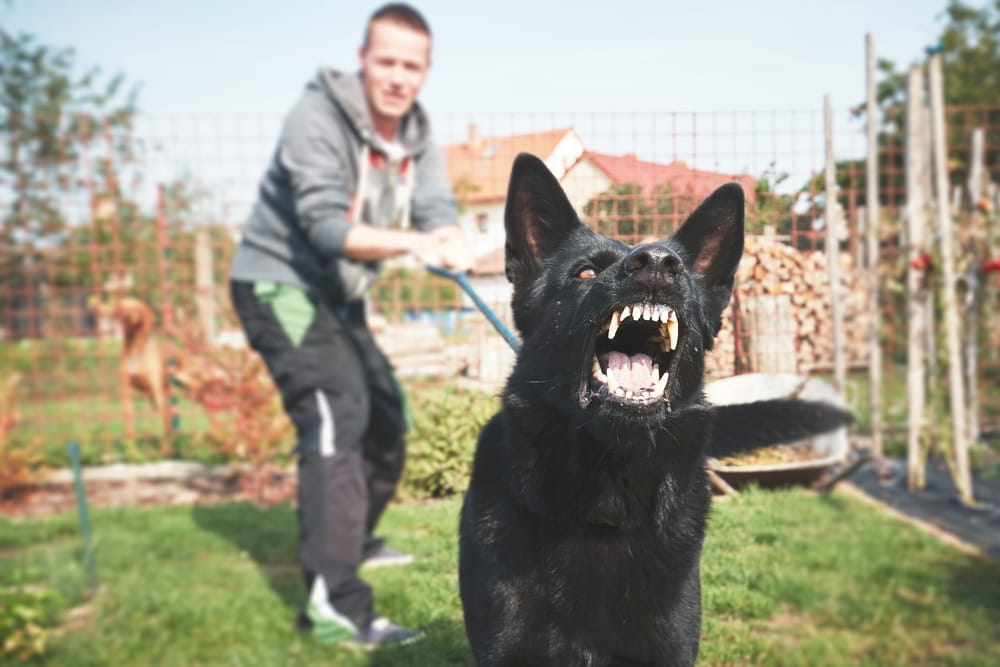
Legal professionals divide compensation into two main categories when valuing a claim.
Calculating Direct Financial Losses
Economic damages cover the direct, out-of-pocket costs associated with the injury — the expenses that can be proven with a receipt, invoice, or pay stub.
- Current medical bills: Emergency transportation, hospital admissions, medications, and initial wound care
- Future medical expenses: Severe injuries often require ongoing physical therapy or future reconstructive surgeries
- Lost wages: Missing work during the recovery period results in lost income that a claim should cover
- Loss of earning capacity: If permanent nerve damage prevents a victim from returning to their previous profession, the claim may account for future lost income
- Out-of-pocket expenses: Travel to medical appointments, bandages, and prescription co-pays can add up quickly over the course of recovery
Documenting every financial loss creates a strong foundation for a comprehensive legal claim.
Evaluating Pain and Suffering
Non-economic damages address intangible losses that lack a clear price tag. These damages compensate victims for the physical pain and emotional distress caused by the incident.
Victims may also receive compensation for loss of enjoyment of life — missing out on hobbies, sports, time with friends, or family events due to physical or emotional limitations. Injuries that prevent someone from returning to their regular activities consistently carry a higher settlement value.
What About Dog Owners’ Insurance?
Many victims hesitate to pursue a claim because they do not want to cause financial ruin for a neighbor or friend. In most situations, the dog owner does not pay the settlement out of their own bank account.
Homeowners and Renters Policies
Homeowners insurance policies usually provide liability coverage for animal attacks that occur on or off the owner’s property. Renters insurance frequently offers similar protections, meaning an insurance company typically handles the defense and pays the final settlement.
These policies generally cover medical expenses, lost wages, and pain and suffering up to the policy limit. If the incident happened in a public park or on a public sidewalk, the owner’s home insurance could still apply to the situation.
Dog Owners’ insurance, or pet insurance, is a separate thing.
Policy Limits and Exclusions
Insurance coverage is not unlimited. Most standard homeowners policies have liability limits ranging from $100,000 to $300,000. If the damages exceed those limits, recovering the full value of a claim becomes more complicated.
Some insurers write specific breed exclusions into their policies. If the owner has a breed listed on the exclusion list, the insurance company might deny coverage entirely. Identifying active insurance policies and understanding their limits is one of the most critical steps an attorney takes in a dog bite case.
If an insurance company denies the claim, victims may still have options — including pursuing the dog owner personally or exploring whether umbrella liability insurance applies. An attorney can evaluate all possible sources of compensation.
How State Laws Impact Dog Bite Claim Value
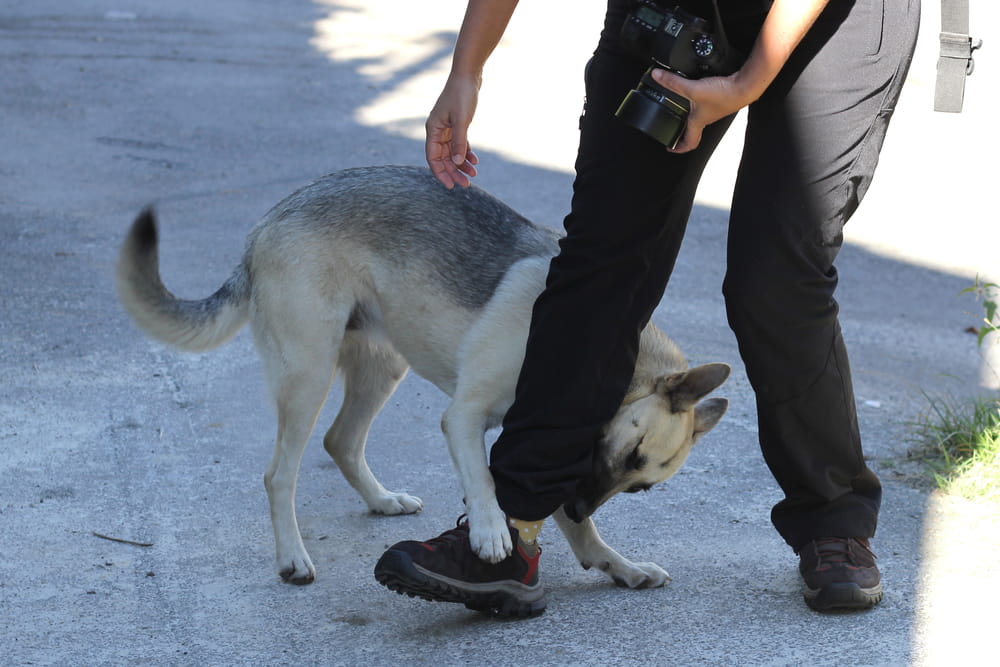
The location of the incident heavily influences the value of a dog bite claim. Different states use different legal standards to determine liability.
Strict Liability Versus the One-Bite Rule
Many states enforce strict liability laws for animal attacks. Under strict liability, the owner is responsible for damages even if the animal had no history of aggression. The victim only needs to prove that the bite occurred and caused injuries while they were lawfully present.
Other states follow a variation of the one-bite rule. In those jurisdictions, the victim must show that the owner knew or should have known about the animal’s aggressive tendencies. Proving prior knowledge often requires gathering evidence of past complaints or documented aggressive behavior.
Some states combine elements of both systems, using hybrid rules that make liability fact-specific. A local attorney can explain which standard applies and how it affects potential recovery.
Comparative Fault in Dog Bite Cases
Insurance companies frequently try to reduce claim values by arguing the victim was partly responsible for the incident — that they provoked the animal or ignored warning signs. States use comparative fault rules to address those arguments. If an investigation shows the victim shared a percentage of the blame, their final compensation is reduced by that percentage.
For example, if a court finds that a child was taunting a dog and a percentage of fault is assigned, the final settlement is reduced proportionally — even if the owner was present and failed to intervene. Each case is evaluated on its specific facts.
Evidence That Strengthens a Dog Bite Claim
The value of a settlement directly reflects the quality of the evidence supporting it. Gathering comprehensive proof prevents insurance adjusters from downplaying the severity of injuries.
Medical Records and Photographs
Thorough medical documentation serves as the strongest proof of injury. Attending all follow-up appointments and following doctor recommendations consistently demonstrates that the victim took their recovery seriously.
- Injury photographs: Clear pictures of wounds taken immediately after the incident and throughout the healing process document the progression and severity of harm
- Detailed physician notes: Ensure doctors document the specific cause of injuries and any reported pain or limited mobility at each visit
- Treatment journals: A daily log of pain levels, emotional struggles, and activities no longer possible makes it harder for opposing parties to minimize the harm
Witness Statements and Animal Control Reports
Independent verification of the attack holds significant weight during negotiations. Animal control officers often conduct formal investigations after a severe bite, and their official reports typically contain details about the animal’s vaccination history and the owner’s compliance with local leash laws.
Statements from neighbors or bystanders can confirm that the victim did not provoke the animal. In cases requiring proof of prior aggression, witness testimony about the dog’s past behavior becomes essential. If the dog was previously declared dangerous or if similar incidents are documented with animal control, that history may dramatically strengthen the current claim.
How Medical Care Choices Affect Claim Value

The decisions made immediately after a dog attack affect both medical recovery and claim value. Promptly seeking care, following through with all recommended treatments, and adhering to physical therapy regimens show that the victim made every effort to heal.
Insurance adjusters and defense attorneys routinely scrutinize treatment gaps, missed appointments, and ignored medical advice. Any delay may be cited as evidence that the injury is less severe than claimed.
- Continuity of care: Keep all receipts and documentation from every provider, pharmacy, and specialist — including mental health professionals if therapy is pursued after the incident
- Honest reporting: Accurately describe pain, disability, and emotional distress at each medical visit; consistent reporting helps build a compelling case
Common Mistakes That Reduce Dog Bite Settlement Value
Dog bite claims can be complex, and several missteps frequently cost victims a fair outcome.
- Delaying medical treatment: Waiting to see a doctor may allow infections to worsen and reduces claim credibility with adjusters
- Accepting blame or apologizing: Statements made in the immediate aftermath of an incident can be used by insurance adjusters to undermine the claim
- Posting on social media: Public posts showing physical activity or normal routines may be used to suggest injuries are less severe than claimed
- Settling too soon: Quick settlements rarely account for late-arising complications, ongoing emotional distress, or future medical needs
Avoiding these mistakes protects the ability to secure appropriate compensation for both economic and non-economic losses.
Why Accepting an Early Settlement Offer May Be Risky
Insurance adjusters frequently contact victims within days of an incident to offer a fast settlement. While receiving a quick check seems appealing, those initial offers rarely reflect the true value of a claim.
Accepting an early offer typically requires signing a release that prevents seeking additional funds later. If a wound becomes infected a week later or a scar requires plastic surgery a year down the road, the claim cannot be reopened to cover those new costs.
Waiting until doctors have a clear understanding of the long-term medical outlook protects a victim’s financial future. A thorough legal review of any settlement offer helps ensure that no aspect of an injury is overlooked before signing anything.
Consulting with a personal injury attorney who regularly handles dog bite cases helps ensure that no aspect of your injury is overlooked.
FAQ: How Much Is a Dog Bite Claim Worth?
Can I file a dog bite claim if the attack happened on someone else’s property?
Yes. Liability typically follows the owner, not the location of the incident. If a dog bites you at a park, on a sidewalk, or while visiting someone else’s property, the owner may still be responsible for your injuries. Their homeowners or renters insurance may still apply depending on the policy terms.
How long do I have to file a dog bite claim?
The time limit is controlled by your state’s statute of limitations. In many states, this window falls between one and three years from the date of the injury. Missing that deadline can bar recovery entirely. Because timelines vary by state and exceptions may apply, it is important to confirm the exact deadline as early as possible.
Do I need a lawyer for a dog bite claim?
You are not legally required to hire a lawyer, but doing so can significantly improve your chances of fair compensation. Dog bite claims involve insurance companies whose goal is to minimize what they pay. An attorney can gather evidence, calculate the full value of damages, negotiate with insurers, and ensure that no aspect of the injury is left on the table — particularly in cases involving serious harm, disputed liability, or long-term medical care.
Slingshot Law Can Help

What would it mean for your recovery to have professional guidance handling the insurance adjusters and complex paperwork on your behalf? Contact the injury attorneys at Slingshot Law to discuss the specific details of your situation.