When determining who is liable for a slip and fall in a grocery store, responsibility typically falls on the business owner or management company if they failed to maintain a safe environment for shoppers.
A simple accident does not automatically mean the store is legally responsible for injuries or medical bills. The law requires clear proof that store employees knew or should have known about a dangerous condition and failed to correct it in a timely manner.
A sudden slip near the produce section or checkout counter often leads to severe physical trauma and unexpected financial strain. Shoppers naturally expect clean aisles and clear warning signs when entering a retail space. Discovering that a preventable hazard caused serious injuries creates a deep sense of frustration, especially when facing a long recovery and missed time at work.
Understanding how premises liability applies to grocery stores, what evidence determines who is at fault, and how insurers try to limit what they pay gives injured shoppers a much clearer picture of what their claim may be worth.
Who Is Liable for a Slip and Fall in a Grocery Store?
- Legal responsibility after a grocery store slip and fall usually hinges on whether the business knew or should have known about the hazard
- Both actual and constructive knowledge of dangerous conditions can lead to store liability
- Comparative fault may reduce compensation if the injured shopper contributed to the accident
- Crucial evidence — incident reports, witness statements, photographs, and medical records — can make or break a claim
- Early settlement offers rarely reflect the true value of injuries and long-term consequences
- Insurance claims typically target the store’s corporate liability policy, not individual employees
How Premises Liability Works in Retail Spaces
The legal concept that governs injuries on another person’s property is called premises liability. Retail stores open to the public carry a high legal obligation to keep their spaces safe for shoppers.
Premises liability covers a wide range of situations — not only slips and falls but also injuries caused by falling merchandise, malfunctioning equipment, or assault due to inadequate security. Routine inspections and maintenance schedules are necessary to monitor hazards in real time. Records of these inspections can become critical evidence in demonstrating either diligence or carelessness if a lawsuit is filed.
The Legal Duty of Care Owed to Shoppers
Grocery stores invite the public inside to browse and purchase their products. Because they financially benefit from shoppers’ presence, the law classifies customers as invitees — the category to whom store owners owe the highest legal duty of care under premises liability law.
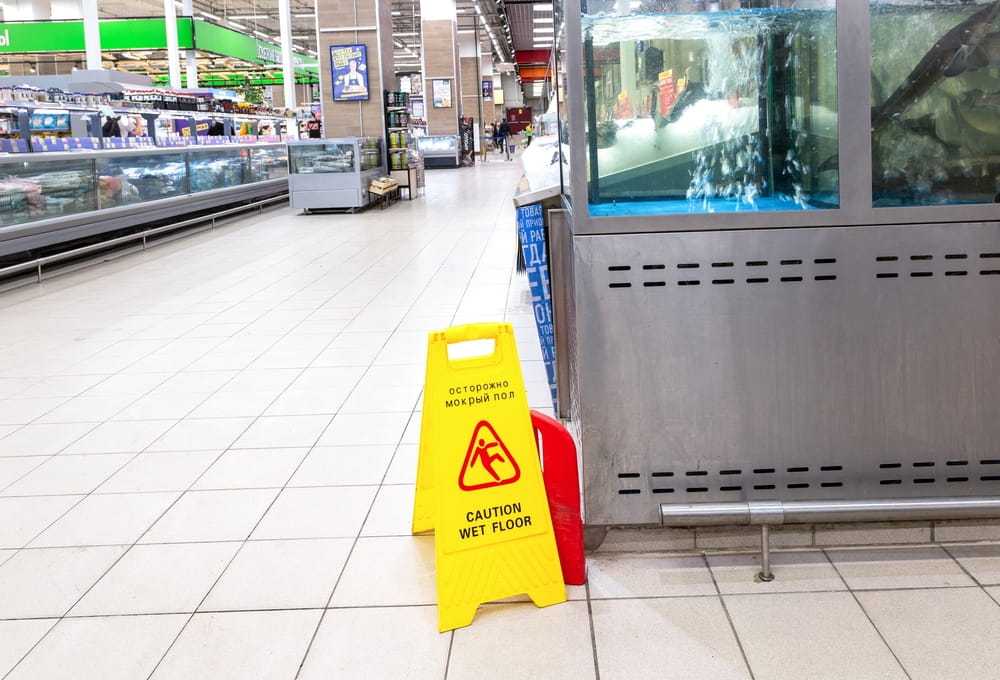
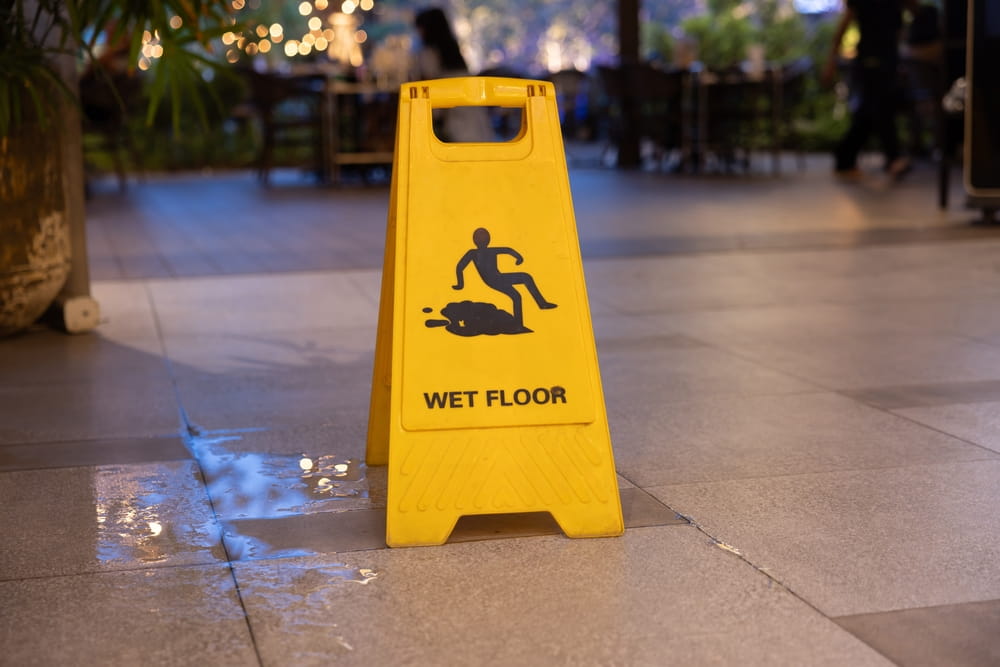
This legal duty means management must regularly inspect the premises for hidden dangers. Employees must actively look for spills, broken floor tiles, and tripping hazards. When they find these issues, they must clean them up immediately or place clearly visible warning signs around the area.
Identifying Hazardous Conditions
A hazard is anything that creates an unreasonable risk of harm to a shopper. The most common hazards involve liquids, but solid objects and structural defects also cause serious injuries.
A leaking refrigerator unit slowly creating a puddle in an aisle presents a clear hazard. A loose floor mat near the front entrance that bunches up and catches a shopper’s shoe also creates an unreasonable risk. Recognizing the specific type of hazard is the first step in building a strong premises liability claim.
Proving Who Is Liable for a Slip and Fall in a Grocery Store
Proving liability requires more than showing a fall occurred and caused injury. The claim must demonstrate exactly what the store knew about the hazard before the incident happened.
Actual Knowledge of the Hazard
The strongest claims involve situations where the store had actual knowledge of the dangerous condition. This happens when an employee creates the hazard — such as dropping a jar and walking away to get a mop — or when another shopper reports a spill to a cashier who ignores the warning.
If management knew a hazard existed and did nothing to fix it, they are typically liable for resulting injuries. Witness statements often provide the necessary proof of actual knowledge. A witness who confirms they told a manager about a wet floor ten minutes before the fall makes the store’s liability much harder to dispute.
Constructive Knowledge and Time Factors
Many times, store employees genuinely do not know a spill occurred. In these situations, the law uses the concept of constructive knowledge — meaning the hazard existed for so long that a careful store owner should have discovered it during routine inspections.
Surveillance video, maintenance checklists, and witness accounts can all help prove constructive knowledge. In many cases, attorneys subpoena these records to establish how long a dangerous condition went unaddressed before causing injury. For additional reading, the Centers for Disease Control and Prevention (CDC) provides important statistics and prevention tips about slip, trip, and fall incidents.
Common Hazards That Lead to Grocery Store Injuries
Different sections of a supermarket present distinct risks to shoppers. Certain hazards repeatedly cause serious injuries across retail locations.
Spilled Liquids and Wet Floors
Liquid hazards represent the most frequent cause of retail falls. The produce department regularly sprays vegetables with water that drips onto the floor. Shoppers frequently drop glass bottles or plastic jugs containing juice, oil, or cleaning supplies in the aisles. Freshly mopped floors also create significant dangers if employees fail to use proper caution signs visible from all angles.
Malfunctioning refrigeration units and automatic sprayers can create puddles in freezer aisles that are difficult to detect due to condensation. The National Safety Council frequently highlights slips and falls as a leading cause of preventable injuries in public spaces. Stores that cut corners on staffing or safety training put every shopper who walks through the door at risk.
Cluttered Aisles and Poor Lighting
Tripping hazards are just as dangerous as slippery surfaces. Employees restocking shelves often leave boxes, wooden pallets, and stocking carts unattended in the middle of narrow aisles. Shoppers focused on reading labels on upper shelves can easily trip over low-lying obstacles without any warning.
Poorly lit areas contribute to serious accidents as well. A burnt-out bulb in a store parking lot or a dimly lit stairwell prevents shoppers from seeing potholes, curbs, or dropped items. Property owners must ensure adequate lighting throughout the entire property — not just inside the main building.
Comparative Fault and Financial Recovery
Insurance companies rarely accept full responsibility immediately after an accident. They frequently look for ways to shift blame onto the injured person.
Shared Blame and Reduced Compensation
Many states use a comparative fault system to evaluate personal injury claims. This system allows a jury to assign a percentage of blame to both the store and the injured shopper. Insurance adjusters often argue the shopper was distracted by a phone or walking too fast when the fall occurred.
If an investigation determines the shopper is 20 percent at fault for not noticing a spill, total financial recovery is reduced by that exact 20 percent. In states where comparative fault applies, even a shopper who contributed to an accident may still recover some compensation — unless their share of fault exceeds the applicable threshold, often 50 percent. Gathering immediate evidence prevents adjusters from unfairly shifting blame.
The Open and Obvious Defense
A common defense used by grocery stores is the open and obvious doctrine. The store may argue that the hazard was so large and noticeable that any reasonable person would have seen it and walked around it. If a hazard is truly open and obvious, the store may not be legally required to warn shoppers about it.
However, grocery stores intentionally design their aisles to draw shoppers’ eyes upward toward colorful displays and sale signs. They cannot expect customers to constantly stare at the floor while simultaneously evaluating merchandise. Pointing out the store’s own marketing design often defeats the open and obvious defense.
Crucial Evidence That Strengthens a Slip and Fall Claim

Securing compensation relies entirely on objective facts and solid documentation. Gathering proof before the store cleans the area or overwrites camera footage is critical.
Incident Reports and Security Footage
Most modern supermarkets use extensive video surveillance systems. These cameras often capture the moment of the fall and the events leading up to it, proving exactly when a spill occurred and how long it sat on the floor before an employee noticed it.
Preserving security footage is time-sensitive — some systems delete video after only a few days. Requesting store footage immediately after an incident increases the chances of obtaining the evidence needed to support a claim. In some cases, legal intervention is required to prevent footage from being overwritten.
Witness Statements and Medical Documentation
Independent witnesses provide powerful testimony because they have no financial stake in the outcome. Collecting names and contact information from surrounding shoppers at the scene allows them to later confirm that the floor was wet, lighting was poor, or no warning signs were present.
Medical documentation — emergency room records, follow-up doctor’s notes, and proof of physical therapy — is equally important. These records connect injuries directly to the incident and demonstrate their seriousness to insurers and courts alike.
Dealing with Insurance Companies After a Grocery Store Fall
Store managers typically forward incident reports to their corporate liability insurance providers. Those corporate insurers handle the negotiations and ultimate payouts for valid injury claims.
Early Settlement Offers
Insurance adjusters often contact injured shoppers within a few days of the accident, seeming friendly and offering to cover the initial emergency room bill. While a quick check is tempting, early settlement offers rarely reflect the full scope of damages.
Accepting an early offer typically requires signing a release that closes the case permanently. If knee pain requires surgery three months later, the insurance company cannot be asked for more money. Some insurers also downplay long-term injuries or suggest pre-existing conditions caused the pain — detailed assessments from treating physicians counter these arguments. Waiting until doctors fully understand the long-term prognosis protects future financial stability.
The Importance of Immediate Medical Care
Insurance companies closely scrutinize medical records after a fall. If a shopper waits days or weeks to see a doctor, the adjuster may argue the injuries were not severe — or that they occurred somewhere other than the store.
Visiting an urgent care clinic or emergency room immediately after a fall establishes a clear medical timeline. Consistent attendance at physical therapy and follow-up appointments demonstrates that the injured person is taking recovery seriously. Thorough medical documentation forms the foundation of a successful premises liability claim.
Long-Term Consequences of Slip and Fall Injuries
Slip and fall injuries in grocery stores can have lasting impacts, particularly for older adults and those with existing health conditions. Hip fractures, traumatic brain injuries, and complicated sprains can permanently reduce independence and daily function. According to the CDC, falls are one of the leading causes of injury for those over 65.
Victims may face ongoing medical care, rehabilitation, or home modifications to accommodate restricted mobility. Family members often take on unexpected caregiving roles that result in their own lost wages and emotional stress. A full damages assessment accounts for these long-term consequences rather than just the immediate costs of the initial injury.
FAQ: Who Is Liable for a Slip and Fall in a Grocery Store?
Can I sue a grocery store if there was no warning sign near the hazard?
Possibly. If a store fails to place clear warning signs around a known hazard — such as a wet floor or active spill — it may be considered negligence. Stores are expected to either fix dangerous conditions promptly or warn customers. The absence of a warning sign helps demonstrate the store did not take reasonable steps to protect shoppers.
What if I didn’t report the accident to the store right away?
Delaying a report can make a claim more difficult, but it does not automatically prevent recovery. Reporting the incident immediately helps create an official record and may preserve key evidence like surveillance footage. Without timely documentation, insurance companies may question whether the accident occurred as described.
Can I still recover compensation if I was partially at fault for the fall?
Yes, in many cases partial fault does not eliminate a claim. Under comparative fault rules, total compensation may be reduced by the shopper’s percentage of fault. A shopper found partially responsible for not noticing a hazard may still recover a proportional share of their damages — though the specific rules vary by state.
The Store’s Version of Events Is Not the Final Word

Grocery store liability is not determined by the incident report a manager files or the first call an adjuster makes. It is a legal question that depends on what the store knew, how long the hazard existed, and what evidence survived long enough to tell that story. Most injured shoppers who walk away from valid claims do so because no one showed them what a fully investigated case actually looked like. Contact the injury attorneys at Slingshot Law to talk through the specific facts of your grocery store fall and what your claim may actually be worth.