

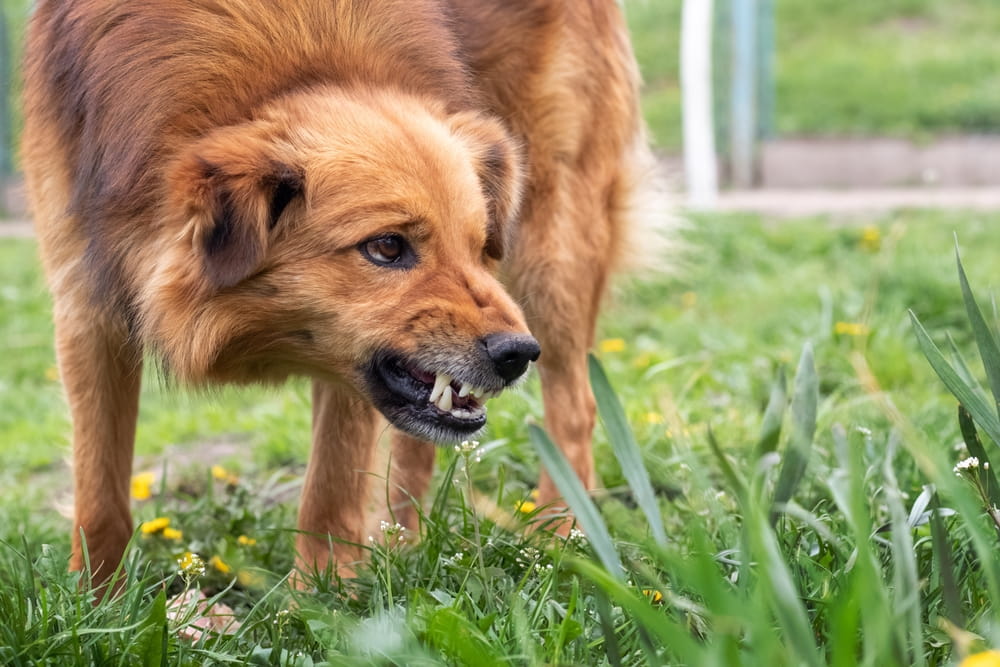
When a dog attack occurs, you want to know who bears responsibility for covering the resulting harm and losses. In most cases, the dog’s owner or their liability insurer is responsible. While this is often true, liability in dog bite cases can be more complex than it seems. There are several factors to consider that all influence who may be legally responsible. A dog bite lawyer can do a thorough investigation of all potential liable parties, maximizing your recovery.
The legal team at Slingshot Law Injury Attorneys can evaluate the facts of your case and identify liable parties. They will guide you through the legal process to secure the compensation and justice you deserve. Read on to learn more about liability in dog bite cases so you can know who to turn to for compensation.
Key Takeaways about Dog Bites and Liability
- Liability for a dog bite may involve multiple parties beyond the dog’s owner, depending on who controlled the dog or the property.
- Dog bite claims may be based on strict liability, negligence, or both, which affects how responsibility is proven.
- Evidence for prior incidents or aggressive behavior can strengthen a dog bite case and limit available defenses.
- There are various defenses to dog bite claims, such as provocation or trespassing, which require robust evidence to overcome.
- Identifying all responsible parties increases the likelihood of full compensation.
- Contact a dog bite lawyer immediately to investigate liability, challenge defenses, and protect your legal rights.
Dog Owner’s Responsibility
Under most U.S. laws, dog owners bear primary responsibility for their pets’ actions. This duty stems from the principle that owning an animal carries an obligation to prevent it from harming others. Owners must exercise reasonable care to keep their dogs under control and minimize risks to the public. This responsibility extends to several key areas:
- Leash Laws and Control: Owners are required to follow local leash laws and maintain physical or effective control of their dogs in public spaces, such as parks, sidewalks, and streets. Violating these rules demonstrates a failure to prevent foreseeable risks and can lead to legal consequences.
- Preventing Harm: Owners have a duty to take reasonable precautions to stop their dogs from injuring people. It includes providing proper training, secure containment, and socialization to reduce aggressive tendencies. Neglecting these steps can strengthen a claim against the owner if an attack occurs.
- Awareness of Dog’s Tendencies: If an owner knows, or should know, of their dog’s prior biting incidents, growling, snapping, or other warning behaviors, they face a heightened duty to prevent attacks. In states following the one-bite rule, such as Texas, this prior knowledge is often required to establish liability. Even in strict liability jurisdictions, awareness can influence defenses or damage assessments.
Failing in these responsibilities can make the owner directly liable, and their insurance may cover resulting claims. However, a dog bite lawyer can help prove these failures through evidence to ensure accountability.
Third-Party Responsibility
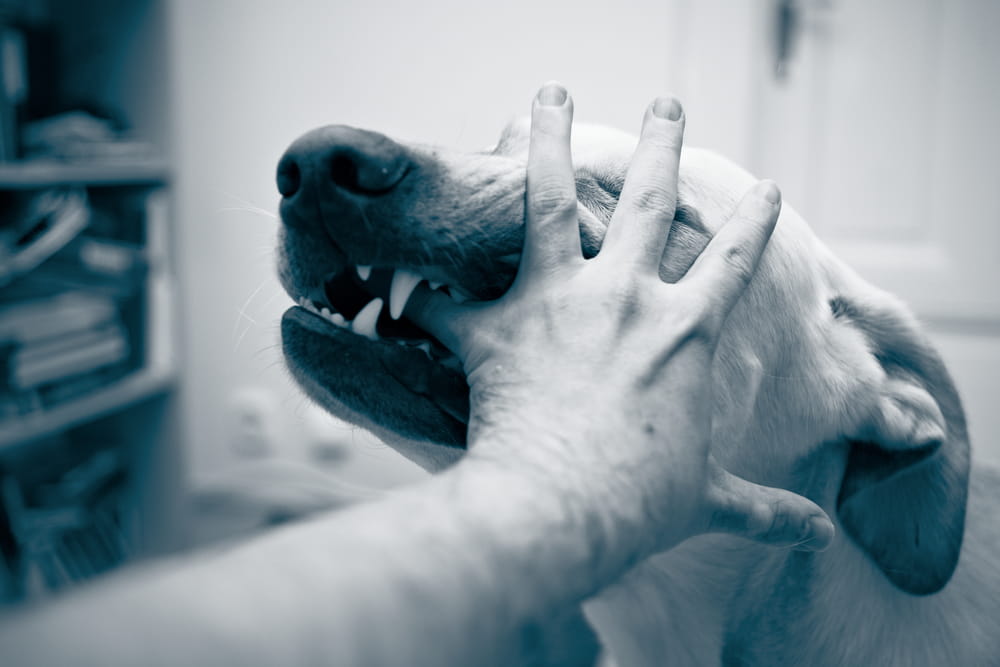
While dog owners carry the primary responsibility for their pets’ actions and resulting injuries in dog bite cases, liability can extend beyond just the owner in certain situations. Third parties may share or assume responsibility if they had control over the dog, the premises, or failed to take reasonable steps to prevent foreseeable harm.
This is important because identifying additional liable parties can provide more sources for compensation, increasing the potential recovery. Common third parties who may face liability include:
Property Owners
In some cases, the owner of the premises where the bite occurred can be held responsible. It is particularly true if the incident happened in a common area or if they allowed a known dangerous dog on the premises without taking action. For example, if a property owner negligently failed to address complaints about an aggressive dog, they may bear fault under premises liability principles.
Caregivers or Handlers
Anyone temporarily in control of the dog can be liable if the bite happens while the dog is under their supervision and they failed to exercise reasonable care. It might include not properly restraining the dog, ignoring warning signs of aggression, or violating local leash/containment rules. In many states, keepers or harborers are treated similarly to owners under strict liability or negligence rules.
Landlords
Landlords are not automatically liable for a tenant’s animal bites, but they can be held responsible in specific circumstances. It usually requires proof that the landlord knew, or should have known, of the dog’s dangerous propensities and had the ability to act but failed to do so. Liability is more likely if the bite occurs in a common area under the landlord’s control or if the landlord assumed some caregiving role, such as feeding or walking the dog.
Children and Parents
In cases involving minors, parents or guardians may face liability if they failed to supervise their child adequately and the child’s actions contributed to the incident. Conversely, if a child is bitten, parental immunity doctrines in some states may limit suits against parents, though strict liability statutes can sometimes override this. Courts will consider a child’s age because young children may not be capable of provocation or trespass in the same way adults are.
In some cases, veterinarians, trainers, or boarding facilities can share liability if their actions or omissions directly contributed to an attack. For example, a trainer failing to warn an owner about aggressive behavior or improperly handling a dog in a way that triggers aggression can create legal responsibility.
Legal Standards to Evaluate Responsibility in Dog Bite Claims
In dog bite cases, liability can arise under two main legal theories, namely strict liability and negligence. These standards have different implications for how responsibility is determined. They include the following:
Strict Liability
Many states enforce a strict liability standard for dog bite cases. Under this rule, a dog owner can be held responsible for injuries caused by their dog, regardless of whether the owner was negligent or had no prior knowledge of the dog’s aggressive tendencies.
For example, if a dog bites a person in a public park, the owner may be liable even if the dog was well-behaved previously and the attack seemed unprovoked. Strict liability is intended to protect victims and encourage owners to take all reasonable measures to prevent injuries.
Negligence
In other cases, liability is based on negligence. It requires showing that the dog owner failed to exercise reasonable care to prevent the attack, directly resulting in actual harm. Examples include failing to leash a dog in public, leaving a gate or fence unsecured, or failing to address known aggressive behavior. Unlike strict liability, negligence claims require proof that the owner’s actions, or lack of proper precautions, directly contributed to the injury.
A dog bite lawyer can evaluate which legal standard applies in your state, collect evidence of prior warnings or unsafe conditions, and build a case showing that the owner is liable either under strict liability, negligence, or both. This distinction often affects the strategy for pursuing compensation and determining which damages can be recovered.
Defenses in Dog Attack Cases
Even when a dog bite occurs, the dog owner or other potentially liable parties may assert different defenses to limit or avoid liability. These defenses vary by state and depend on the facts, evidence, and applicable laws. Since successfully proving defenses can potentially bar recovery or reduce compensation, thorough evidence collection and early legal consultation are essential.
Provocation
One of the most common defenses is provocation. An owner may argue that the victim provoked the dog through teasing, hitting, or otherwise engaging in behavior that the dog perceived as threatening. Courts consider the circumstances carefully: minor actions that reasonably trigger a defensive response are distinguished from deliberate actions that create foreseeable risk. An attorney can investigate claims of provocation, gather witness statements, and assess whether the dog’s reaction was truly provoked or whether the owner’s responsibility remains.
Trespassing
Another frequently cited defense is trespassing. Dog owners may claim that the victim was on private property without permission at the time of the attack. While this defense can reduce or eliminate liability, its applicability depends on local laws, the nature of the trespass, and whether the dog owner’s conduct contributed to the risk. In some situations, premises liability principles may also apply, particularly if unsafe property conditions or a failure to control a known dangerous dog contributed to the incident. For example, an unsecured gate, failure to post warnings, or allowing a dangerous dog in areas accessible to the public can limit a trespassing defense.
A dog bite lawyer can anticipate and counter these defenses, collecting evidence that undermines claims of provocation, trespassing, or assumed risk. By documenting the circumstances of the attack, the dog’s behavior, and the environment, your attorney can strengthen your position and ensure that liability is properly assigned.
Legal Recourse and Compensation

When you’ve suffered an injury in a dog bite or attack, there are several legal avenues to seek justice and compensation. You may also be wondering how long after a dog bite can you sue, since filing deadlines can affect your ability to recover damages. The goal is to hold liable parties accountable and recover compensation for the physical, financial, and emotional harm you’ve suffered. Common types of recourse include:
Insurance Claims
Most dog bite cases are resolved through the dog owner’s liability insurance. These may include homeowners, renters, or umbrella policies. Here, you file a claim with the insurer, who investigates liability, reviews evidence, and negotiates a settlement. This is often the fastest path, as insurers aim to avoid costly litigation.
However, adjusters frequently offer low initial settlements that undervalue long-term impacts like scarring, chronic pain, lost earning capacity, or psychological effects. Your lawyer can counter these tactics and push for a settlement that covers your injuries and losses.
Lawsuit/Litigation
If negotiations fail or the offer is inadequate, filing a personal injury lawsuit becomes necessary. Litigation involves formal discovery involving depositions, document requests, and potential mediation. If unresolved, the claim process goes to trial. Courts can award higher compensation, including punitive damages, in rare cases of egregious conduct for knowingly harboring a vicious dog.
The compensation you may recover generally includes:
- Past and future treatment, surgeries, therapy, and medications
- Lost earnings and reduced earning capacity
- Pain and suffering
- Emotional distress and psychological impacts
- Scarring or disfigurement
- Other out-of-pocket costs related to the injury
Your lawyer will evaluate the impact of the dog bite injuries on your life to properly value the claim. Professional representation allows you to focus on physical and emotional recovery and sets you up for a satisfactory settlement.
Frequently Asked Questions: Liability for a Dog Bite
Can a business be held responsible if a customer is bitten on commercial property?
A business may be held responsible if a dog bite occurs on its premises and the business failed to maintain a reasonably safe environment. It may apply when a business allows dogs on-site, uses dogs for security or operations, or permits employees or patrons to bring animals onto the property. Liability may arise if the business knew or should have known the dog posed a risk and failed to take protective measures.
Are dog bite claims treated differently when the victim is a child?
Yes, dog bite cases involving children are frequently evaluated under heightened legal scrutiny. Children are generally not held to the same standards of judgment as adults, which can limit defenses based on provocation or assumed risk. Courts consider whether the dog owner or responsible party took appropriate steps to protect a child from foreseeable harm, particularly in settings where children are expected to be present.
Can I still pursue a claim if the dog’s owner is a friend or family member?
You can still pursue a dog bite claim even when the dog’s owner is a friend or family member. In most cases, you will seek compensation through the owner’s homeowners’ or renters’ insurance rather than directly from their personal finances. It allows you to recover damages while minimizing personal conflict and, where possible, preserving relationships.
Work With a Dog Bite Lawyer

Determining who is legally responsible for a dog bite is rarely as simple as it first appears. However, ascertaining liability is key to securing the financial resources necessary to restore you as fully as possible. A dog bite lawyer can evaluate the facts, apply the appropriate liability standards, and ensure your claim reflects the full impact of your injuries.
At Slingshot Law Injury Attorneys, our attorneys thoroughly investigate dog bite cases, challenge liability defenses, and pursue fair outcomes for injured victims. If a dog attack has harmed you or a family member, contact our personal injury attorneys today to receive a case evaluation and understand your options.