

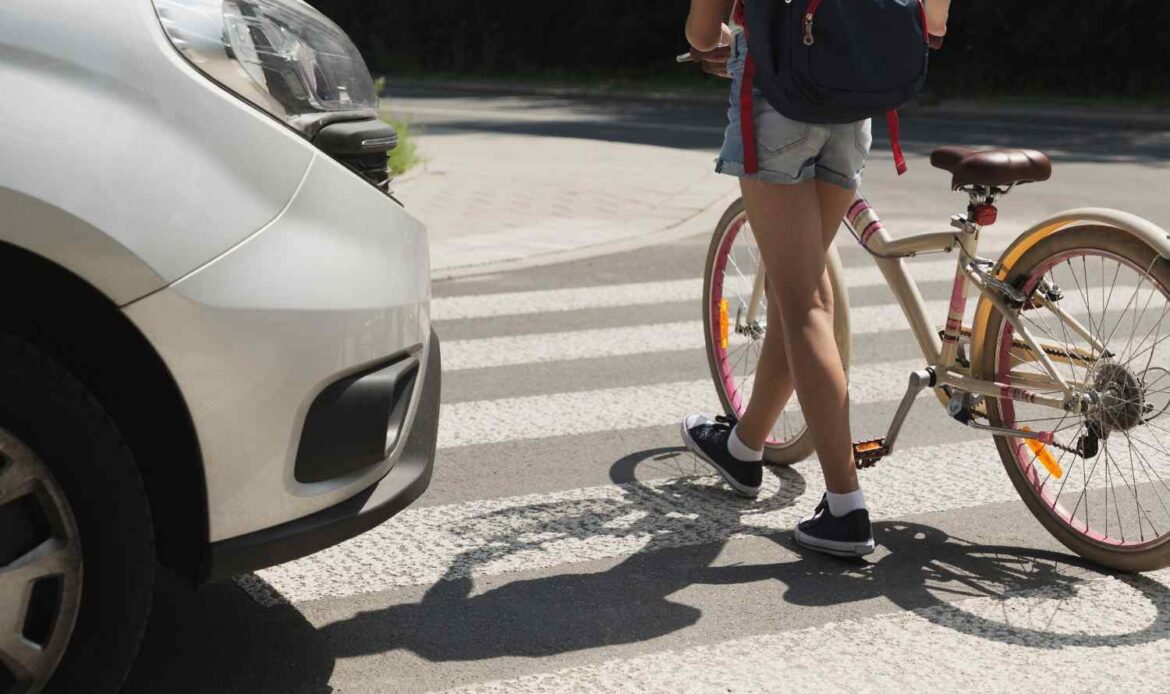
Pedestrian accidents often stem from driver negligence, speeding, distracted driving, failure to yield, and hazardous roadway conditions. Injured victims endure physical injuries, emotional trauma, and financial burdens due to medical bills and lost income.
You can pursue compensation for your losses if a vehicle struck you. However, you must face insurance companies that frequently attempt to minimize payouts or shift blame.
At Slingshot Law Injury Attorneys, our pedestrian accident attorneys in Austin, TX, provide the focused legal support you need after the crash. We can investigate the cause of the collision, preserve evidence, and advocate aggressively on your behalf.
Pedestrian Accident Occurrences: Key Takeaways
- Pedestrian accidents in Austin frequently occur on high-traffic corridors and hazardous roads, where congestion, speeding, and poor visibility increase the risk of crashes.
- Evidence such as police reports, video footage, eyewitness accounts, and professional analysis determines fault by proving negligence.
- Injured pedestrians can sue if hit by a car, especially in cases involving severe injuries, low settlement offers, wrongful death, or disputed liability.
- Average payouts vary based on the severity of the injury, the level of legal representation, insurance limits, and the duration of the recovery period.
- Call a pedestrian accident lawyer to protect your right to compensation.
Where Do Pedestrian Accidents Occur in Austin?
Pedestrian accidents in Austin frequently occur on high-traffic corridors, major intersections, and areas with heavy foot traffic. While these crashes can occur anywhere, certain roads consistently have higher risks due to congestion, speeding, inadequate crosswalks, and increased pedestrian activity.
Below are specific Austin roads where pedestrian accidents are especially common.
South Congress Avenue
South Congress Avenue is one of Austin’s busiest pedestrian zones, known for dense retail, restaurants, and tourism. Heavy foot traffic, combined with frequent mid-block crossings and distracted driving, makes this corridor a frequent site of pedestrian crashes.
Interstate 35 Frontage Roads
The I-35 frontage roads experience constant vehicle flow and fast-moving traffic. Limited pedestrian infrastructure and entrances and exits contribute to a higher likelihood of collisions involving individuals trying to cross or walk near the road.
Lamar Boulevard
North and South Lamar Boulevard remain common accident locations due to multiple lanes, inconsistent crosswalk placement, and substantial traffic volume. Low night-time visibility further increases the risk for pedestrians.
Riverside Drive
East Riverside Drive is a densely populated residential and commercial corridor. Pedestrian activity is significant, especially near bus stops. Speeding and unsafe left turns contribute to a significant number of injury-causing crashes.
Guadalupe Street
Adjacent to the University of Texas, Guadalupe Street sees substantial pedestrian movement from students and visitors. Congestion, turning vehicles, and jaywalking incidents often lead to pedestrian collisions, especially during peak hours.
Burnet Road
Burnet Road’s narrow sidewalks, busy shopping centers, and fast-moving traffic often place pedestrians close to the roadway. High driver impatience during rush hour further elevates crash risk.
William Cannon Drive
This major east-west corridor in South Austin is known for heavy commuting traffic and limited protected crossing points. Pedestrians frequently attempt to cross multiple lanes, increasing the likelihood of severe accidents.
Airport Boulevard
Airport Boulevard intersects with several busy roads and features uneven pedestrian infrastructure. High-speed traffic combined with limited visibility near curves and businesses makes it a recurring location for pedestrian crashes.
Who Is at Fault if a Car Hits a Pedestrian?
Determining fault in a pedestrian accident depends on whether the driver, pedestrian, or another party acted negligently. In many cases, drivers are responsible because of speeding, distraction, failure to yield, or impaired driving.
To establish liability, a pedestrian accident lawyer can conduct a detailed investigation using multiple forms of evidence. Below are a few sources of evidence a pedestrian accident lawyer can use to prove fault:
Police Reports
A police report contains the responding officer’s observations, statements from involved parties, citations issued, and preliminary conclusions about how the crash occurred. A pedestrian accident attorney can review the crash report to identify indications of driver negligence, such as failure to yield or intoxication.

If the officer issued a citation to the driver, it can serve as supporting evidence when negotiating with insurers or presenting the case in court.
Traffic Camera and Surveillance Footage
Camera footage from intersections, nearby businesses, or residential security systems can capture the moments leading up to the collision. A pedestrian accident lawyer can subpoena the video footage to show the driver’s behavior, such as running a red light, failing to stop at a crosswalk, or driving recklessly.
Video evidence is often compelling because it provides an objective account that insurers cannot easily dispute or refute.
Eyewitness Testimony
Pedestrians, bystanders, and nearby drivers may have seen the accident occur. A pedestrian accident attorney can interview witnesses to corroborate the pedestrian’s account and identify actions that reveal fault.
For example, a witness can prove that a driver was looking down at a phone or accelerating through a crosswalk. Consistent witness statements can strengthen a claim and counter any attempts by the defense to shift blame onto the pedestrian.
Accident Reconstruction Professional Reports
When insurers contest fault, a pedestrian accident attorney can work with an accident reconstruction professional to analyze skid marks, vehicle damage, stopping distances, and impact points.
These professionals create detailed models that show how the crash occurred. A pedestrian accident lawyer can use the analysis to demonstrate that the driver had enough time to stop, was speeding, or failed to react appropriately.
Vehicle Black Box Data
Modern vehicles contain event data recorders that log speed, braking, steering input, and acceleration moments before impact. A pedestrian accident lawyer can retrieve and analyze the data to show whether the driver attempted to slow down or was driving recklessly.
Cell Phone Records
If distracted driving is suspected, a pedestrian accident attorney may obtain the driver’s phone records to determine whether they were texting or using an app at the time of the crash. They can demonstrate active phone use to strengthen the argument that the driver breached their duty to operate the vehicle safely and responsibly.
Driver Toxicology Reports
When impairment is possible, a pedestrian accident lawyer can review toxicology results to determine whether alcohol or drugs contributed to the accident. Proof of intoxication increases the driver’s liability and helps support claims for punitive damages in certain jurisdictions.
Medical Records of the Pedestrian
The pedestrian’s medical records help establish the timing, nature, and severity of injuries. A pedestrian accident lawyer can use these records to demonstrate the force and direction of impact, supporting reconstruction findings and illustrating how the driver’s negligence contributed to the injuries.
Can a Pedestrian Sue if Hit by a Car?
While many injured victims obtain compensation from the insurer of the negligent party, some cope without financial support. You can initiate a lawsuit to protect your right to fair compensation.
Here are a few reasons a pedestrian can sue after being hit by a car:
Severe Injury
When a pedestrian suffers catastrophic injuries that fundamentally alter their life, litigation may be the only path to adequate compensation. Serious injuries often require extensive medical treatment, long-term care, and result in permanent disability.
You can initiate legal action if you suffer any of these injuries:
- Traumatic brain injuries (TBI)
- Spinal cord injuries resulting in paralysis
- Multiple bone fractures requiring surgery
- Severe burns or disfigurement
- Amputation of limbs
- Internal organ damage
These injuries generate substantial medical bills, ongoing rehabilitation costs, and lost earning capacity that frequently exceed standard insurance policy limits. A pedestrian accident lawyer can use the lawsuit to prove the extent of your losses and to demand a higher settlement value.
Low Settlement Offers
Insurance companies often present initial settlement offers that grossly undervalue your claim. If an insurer’s offer fails to cover your current and future losses, pursuing litigation becomes necessary. The threat of a lawsuit often motivates insurers to present more realistic settlement figures during the discovery or mediation process.
Wrongful Death
When a pedestrian accident results in death, surviving family members can file a wrongful death lawsuit to recover damages for funeral expenses, loss of financial support, loss of companionship, and the deceased’s pain and suffering before death.
These emotionally devastating cases require legal action to hold negligent drivers accountable and provide financial stability for grieving families.
Bad Faith Insurance Practices
Insurance companies have a legal obligation to handle claims fairly and promptly. When they fail this duty, you have grounds to sue. Common bad faith practices include:
- Unreasonably delaying claim investigation or payment
- Denying valid claims without proper investigation
- Misrepresenting policy language or coverage terms
- Failing to communicate settlement offers to claimants
- Offering substantially less than the claim’s value without justification
- Refusing to defend the insured or settle within policy limits
Bad-faith lawsuits can result in damages beyond your original claim, including punitive damages designed to punish the insurer’s misconduct.
Disputed Liability
When the driver or their insurance company denies responsibility or claims you were partially at fault, litigation may be necessary to establish the truth. A pedestrian accident lawyer can use a lawsuit to conduct thorough discovery, obtain accident reconstruction professional testimony, and present compelling evidence proving the driver’s negligence caused your injuries.
Reckless Driving
You can initiate a lawsuit if the driver who hit you exhibited particularly egregious behavior, such as drunk driving, excessive speeding, or street racing. A pedestrian accident lawyer can use the lawsuit to pursue punitive damages.
Unlike compensatory damages that cover actual losses, punitive damages punish the defendant for outrageous conduct and deter similar behavior.
Average Payout for Pedestrian Hit by Car
The average payout for a pedestrian hit by a car varies widely because each case involves different injuries, recovery timelines, insurance limits, and legal strategies. No two claims are alike, and compensation depends on how the accident affects the victim’s physical, emotional, and financial well-being.
Below are the primary factors that influence the value of a pedestrian accident claim:
- Injury Severity: More serious injuries typically result in higher payouts because they require extensive medical care and may cause long-term disability. They deserve higher settlement values or court awards because they result in greater pain, suffering, and disruption to their lifestyle.
- Legal Representation: Representation from an experienced pedestrian accident attorney can impact the value of your case. A pedestrian accident attorney aggressively negotiates, counters insurer tactics, estimates your damages, and protects all your losses.
- Insurance Coverage: The at-fault driver’s insurance policy limits set a ceiling on available compensation. Additional sources, such as underinsured motorist coverage, may also affect the final payout. A pedestrian accident lawyer can identify every recoverable insurance avenue to maximize compensation.
- Duration of Recovery Period: Longer recovery periods often result in increased compensation, as they involve extended medical treatment, prolonged lost income, and greater disruption to daily life. The duration also reflects the long-term impact of the injuries on the victim’s quality of life.
Get the Support You Need After a Pedestrian Accident
If you or a loved one has suffered a pedestrian injury, the resulting pain, financial strain, and reduced quality of life can be overwhelming. For example, victims struck in crosswalks often face lasting mobility limitations that disrupt daily routines.
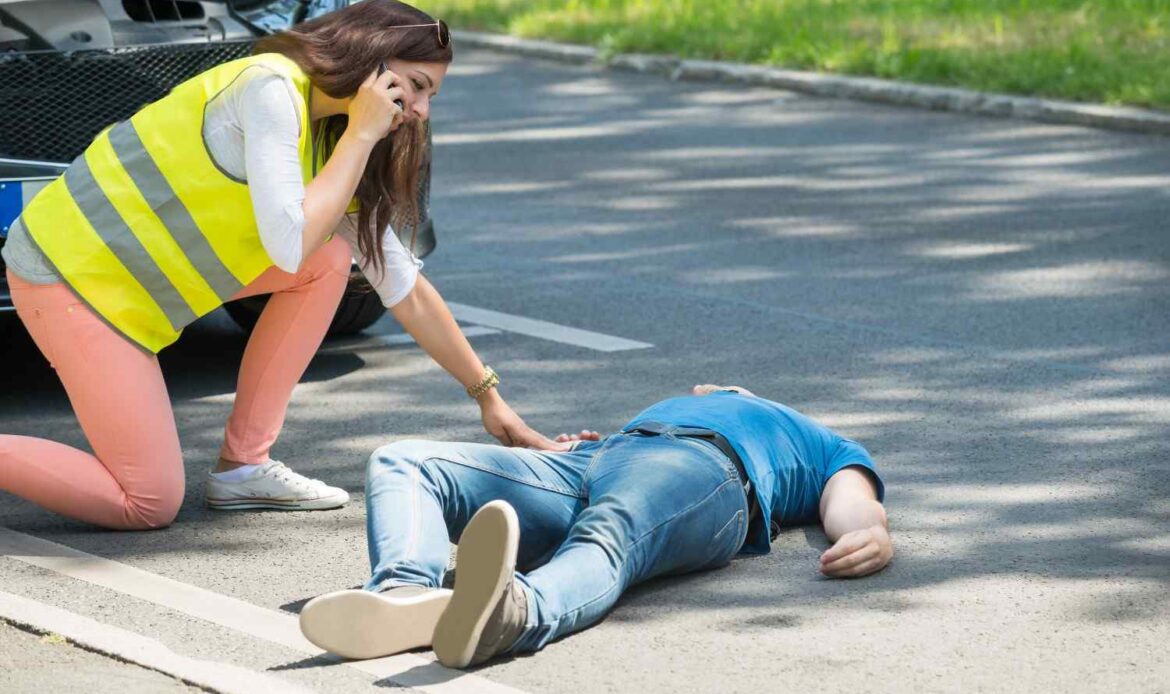
Despite your right to compensation, you must prove the negligent actions that caused the accident and your injuries. Our personal injury lawyers in Austin, TX, at Slingshot Law Injury Attorneys have extensive experience and can guide you through the actions following the crash.
Contact us for a free case evaluation.
Pedestrian Accidents Frequently Asked Questions
How Long Does It Take to Settle a Pedestrian Accident?
Pedestrian accident settlements typically take 3-18 months, though complex cases may extend longer. Factors that may affect the timeline include the severity of the injury, clarity of liability, cooperation with insurance, and completion of medical treatment.
Whether litigation becomes necessary to resolve the claim can also influence the timeline.
What Should I Do After a Pedestrian Accident?
After a pedestrian accident, seek immediate medical attention for injuries. File a police crash report documenting the incident. You should also consult a pedestrian accident lawyer to protect your rights and pursue fair compensation for damages.
How Much Does a Pedestrian Accident Lawyer Charge?
Pedestrian accident lawyers typically work on contingency, charging no upfront fees and collecting a percentage only if you win. The fee depends on case complexity, settlement timing, litigation requirements, and negotiation efforts. You pay nothing unless you recover compensation.