

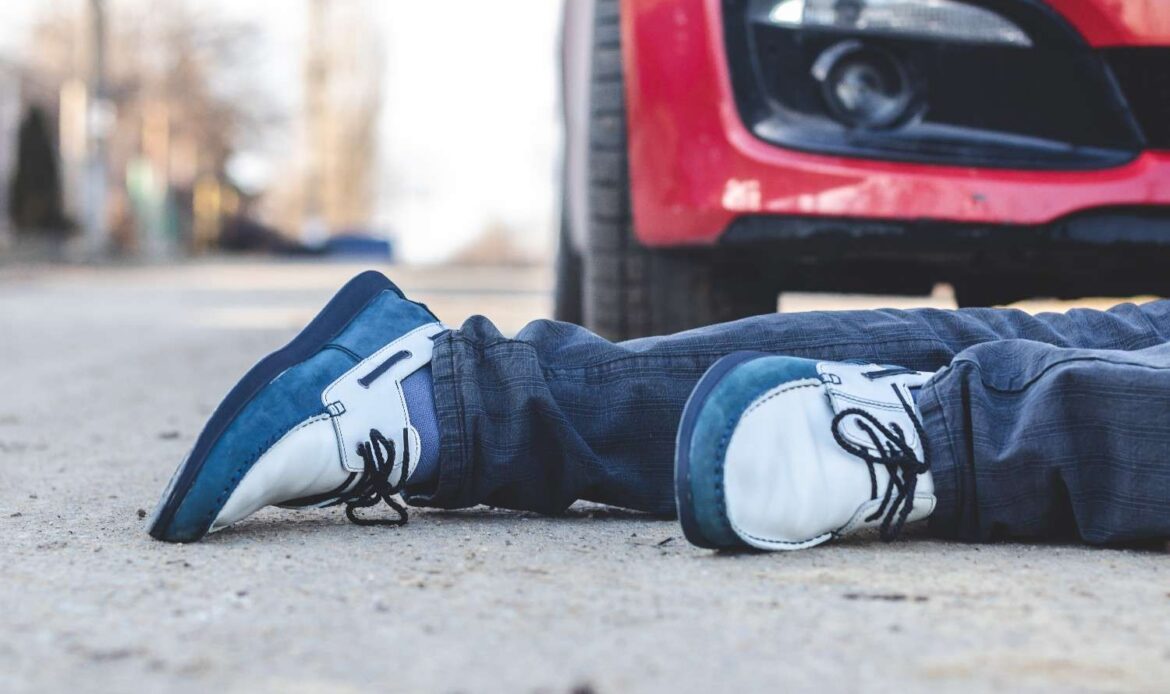
Pedestrian accidents often occur because of driver negligence, speeding, failure to yield, distracted driving, or poor roadway conditions. These crashes leave victims vulnerable to severe, life-changing injuries that can impact mobility, independence, and financial stability.
You have the legal right to pursue compensation for your injury-related losses if a vehicle struck you. However, recovering compensation requires proving the driver’s negligence.
Insurance companies also attempt to shift blame or minimize payouts, making it difficult for injured pedestrians to secure fair recovery on their own. At Slingshot Law Injury Attorneys, our experienced Austin pedestrian accident attorneys understand the impact of injuries on victims and their families.
We can investigate the crash, gather evidence, collaborate with professionals, and negotiate or litigate on your behalf to secure fair and just compensation.
Key Takeaways involving Common Pedestrian Accidents
- Be aware of the severe injuries that pedestrians often suffer and the lifelong effects they can have.
- Understand when a pedestrian may be liable for contributing to an accident.
- Learn how fault is proven using evidence such as reports, witnesses, videos, and records.
- Discover how compensation is calculated based on injury severity, insurance coverage, and recovery time.
- Call a pedestrian accident attorney to protect your right to compensation after the collision.
Common Pedestrian Accident Injuries
Here are common injuries in pedestrian accidents:
Traumatic Brain Injuries (TBIs)
Traumatic brain injuries are among the most serious outcomes of pedestrian accidents. They occur when a victim’s head strikes the vehicle, pavement, or another hard surface during impact.

TBIs can range from severe concussions to permanent cognitive impairment. These injuries often require long-term medical care and can affect memory, coordination, and daily functioning.
Spinal Cord Injuries
A pedestrian struck by a car may suffer spinal cord trauma when the force of the collision compresses, fractures, or severs the spinal nerves. These injuries can lead to partial or complete paralysis, depending on the location and severity of the impact. Many victims face lifelong mobility challenges and extensive rehabilitation.
Multiple Fractures
Pedestrians frequently sustain multiple broken bones when thrown onto the ground or crushed under a vehicle. High-impact collisions commonly cause fractures in the arms, legs, ribs, pelvis, and face. These injuries may require surgery, implants, or prolonged immobilization, which can impact mobility and independence.
Internal Organ Damage
Blunt-force trauma to the torso can cause life-threatening internal injuries. Pedestrians may suffer ruptured organs, internal bleeding, or damage to the liver, spleen, or lungs. These injuries often require emergency surgery and can quickly become fatal without immediate medical intervention.
Crush Injuries
Crush injuries occur when a pedestrian becomes trapped between the vehicle and a hard surface or when a vehicle rolls over their body. These injuries can destroy muscle tissue, impair circulation, and lead to complications such as infections, amputations, or permanent disability.
Severe Lacerations and Soft-Tissue Damage
High-speed impacts or shattered glass can cause deep lacerations and extensive soft-tissue damage. These wounds may result in scarring, nerve damage, or loss of function in affected limbs. Victims often need reconstructive surgery and prolonged wound care.
Amputations
Traumatic amputations can occur when the force of the collision severely crushes or severs a limb. In other cases, doctors may need to surgically amputate a limb due to irreversible tissue damage. Amputation injuries drastically affect a victim’s quality of life and require long-term rehabilitation and prosthetics.
Pelvic and Hip Injuries
Pedestrians are often struck at the height of the pelvis, making pelvic fractures and hip dislocations common. These injuries can severely limit mobility and may require multiple surgeries. Recovery is often lengthy and painful, increasing the victim’s need for extensive medical and financial support.
Can a Pedestrian Be Liable for a Car Accident?
Yes, pedestrians can be held liable for car accidents in certain circumstances. If a pedestrian acts negligently, such as jaywalking, crossing against traffic signals, or darting into traffic unexpectedly, they may bear partial or full responsibility for resulting collisions.
When pedestrian negligence directly causes an accident, the pedestrian can be held liable for damages to the driver, vehicle occupants, and property.
Even so, drivers bear the greater responsibility in protecting pedestrians. Motorists operate dangerous machinery capable of causing severe injury or death, while pedestrians are inherently vulnerable road users.
Drivers have a legal duty to exercise reasonable care, remain vigilant for pedestrians, obey speed limits, and yield right-of-way as required by law. Even when pedestrians act negligently, drivers may still share liability if they had an opportunity to avoid the collision through proper attention and defensive driving.
Here are other parties who may be liable for a pedestrian injury:
Municipal Governments
Local governments can be liable when poorly maintained infrastructure contributes to pedestrian accidents. Liability for municipal governments may arise due to:
- Inadequate crosswalk markings
- Missing or malfunctioning traffic signals
- Insufficient street lighting
- Dangerous road conditions
- Failure to install necessary pedestrian safety features in high-traffic areas
Liability for municipalities may arise for their failure to maintain safe public roadways and walkways.
Property Owners
Property owners face liability when hazardous conditions on their premises put pedestrians at risk of dangerous situations. Obstructed sidewalks, inadequate lighting, overgrown vegetation blocking sightlines, or poorly maintained walkways that push pedestrians into roadways can establish owner negligence.
Construction Companies
Construction firms can be liable when their work zones create dangerous conditions for pedestrians. Inadequate signage, poor barrier placement, insufficient lighting, debris in walkways, or failure to provide safe pedestrian detours around construction areas may constitute negligence.
Vehicle Owners
Vehicle owners who aren’t driving may still be liable for pedestrian accidents. If they negligently entrust their vehicle to an incompetent, inexperienced, or impaired driver who subsequently injures a pedestrian, the owner can share responsibility.
Similarly, owners who fail to maintain their vehicles, leading to brake failures or other mechanical issues, may face liability claims for causing pedestrian accidents.
Who Is at Fault if You Hit a Pedestrian?
Determining fault in a case where a vehicle strikes a pedestrian depends on the circumstances leading up to the crash. Drivers often bear responsibility for failing to yield or driving distracted, but you must establish fault with strong, well-organized evidence.
A pedestrian accident lawyer can evaluate every detail of the crash to show how the driver’s actions directly caused the injury. Here are different types of evidence a pedestrian accident lawyer can use to prove fault:
Police Accident Reports
Police reports provide an objective summary of how the collision occurred. Officers document statements, traffic violations, road conditions, and initial fault assessments. A pedestrian accident attorney can use the crash report to highlight citations for speeding, failure to yield, or distracted driving, among other potential violations.
Surveillance Footage
Security cameras, traffic cameras, or doorbell systems often capture footage of pedestrian accidents. Video footage can capture the driver’s behavior in real-time, such as running a red light or failing to slow down in a crosswalk. A pedestrian accident lawyer can use the video footage to demonstrate the exact sequence of events and refute false claims made by the driver or insurer.
Eyewitness Testimony
Pedestrians, passengers, nearby drivers, or bystanders may have witnessed the accident. Their unbiased observations can support your version of events. A pedestrian accident attorney can interview witnesses, collect signed statements, and may arrange depositions to create a consistent narrative showing the driver’s negligence or recklessness.
Vehicle Damage and Crash Reconstruction
Damage patterns on the vehicle, such as dents, windshield impact marks, or skid distances, can reveal speed, point of impact, and driver braking behavior. An accident reconstruction professional can analyze this physical evidence to show that the driver did not slow down, maintain proper lookout, or respond appropriately before the crash.
A pedestrian accident lawyer can use professional reports to solidify these conclusions.
Medical Records
Your medical records show the nature and timing of your injuries. A pedestrian accident attorney can use them to prove that the injuries are consistent with the pedestrian’s account of the crash and inconsistent with any alternative explanations the driver may suggest. This helps establish the direction, force, and severity of the impact.
Cell Phone and Electronic Records
Cell phone logs, vehicle infotainment data, or app activity can help reveal instances of distracted driving. If the driver was texting, calling, browsing, or using GPS improperly, these records help establish fault. A pedestrian accident lawyer can issue subpoenas for these records and show that the driver was not paying attention at the moment of the collision.
Roadway and Crosswalk Evidence
Photos or measurements of the scene, including crosswalk markings, traffic signals, stop signs, and visibility obstructions, can show whether the pedestrian had the right of way. A pedestrian accident attorney can use the evidence to demonstrate that a reasonable driver should have seen and avoided the pedestrian.
Driver History and Prior Violations
Drivers with a history of speeding, DUI, or reckless driving may be more likely to cause pedestrian accidents. While not always admissible, these records can establish patterns of dangerous behavior when appropriate, thereby strengthening the argument that the driver acted negligently in this incident.
How Much Compensation for a Pedestrian Hit by a Car?
There is no standard value you receive for a pedestrian accident claim. The outcome varies and depends on the facts and circumstances of the crash. Some of the factors that can influence the value of your lawsuit include:
Severity of Injury
Injury severity directly impacts compensation amounts. Minor injuries like bruises or sprains typically result in lower settlements, while catastrophic injuries like traumatic brain injuries or severe fractures command higher settlement values or court awards.
Severe injuries deserve higher settlement values because they involve extensive medical treatment, long-term care needs, and significant life disruption.
Legal Representation
Working with an experienced pedestrian accident lawyer can enhance the value of your lawsuit. Here’s how a pedestrian accident attorney can enhance the value of your claim:
- Thoroughly investigate the accident to establish clear liability
- Gather compelling evidence, including witness statements and professional testimony
- Accurately calculate all current and future damages
- Negotiate aggressively with insurance companies to prevent lowball settlements
- Identify all liable parties to maximize available compensation sources
- Present a compelling claim if litigation becomes necessary
Insurance Coverage of the Negligent Party
The insurance coverage of the negligent party is mostly the source of compensation for the injured party. Therefore, their available insurance coverage creates practical limits on compensation.
Drivers with minimal liability coverage may have insufficient policies to cover extensive damages, even when they are legally responsible. Conversely, defendants with substantial coverage or significant personal assets provide greater recovery potential.
Duration of Recovery Period
The duration of the recovery period has an impact on the settlement value or court award. Longer recovery periods typically result in increased compensation due to accumulated medical expenses, extended lost income, and prolonged pain and suffering.
Brief recoveries involve limited financial losses, while permanent injuries deserve higher values due to ongoing treatment, rehabilitation, or lifetime care. An extended recovery also demonstrates the severity of the injury, strengthening your case.
Do Not Face the Aftermath of a Pedestrian Accident Alone
You’re likely to endure a worsening quality of life after sustaining an injury in a pedestrian accident. For example, an amputated leg can prevent you from participating in your favorite hobby, such as nature walks.

Our Austin personal injury lawyers at Slingshot Law Injury Attorneys have a proven track record of successfully representing injured victims. You can, therefore, count on us to fight for the compensation you deserve for your losses.
Contact us for a free case review.
Common Pedestrian Accidents: FAQs
Can a Pedestrian Sue if Hit by a Car?
Yes, pedestrians can sue if hit by a car. Common reasons include severe injuries, disputed liability when fault is unclear, reckless driving by the motorist, or dealing with uninsured drivers who lack adequate coverage to pay damages.
What Happens if a Pedestrian Gets Hit by a Car?
If a pedestrian gets hit by a car, they should take a few steps to protect their rights. For instance, they should seek immediate medical attention for injuries and file a police crash report to document the incident.
They should also consult a pedestrian accident lawyer for legal advice on their rights and options.
Is It Worth Hiring a Lawyer?
Yes. Hiring a lawyer after a pedestrian accident is worth it because they can investigate the crash, handle insurers, prove fault, and pursue compensation so you can focus on recovery.