

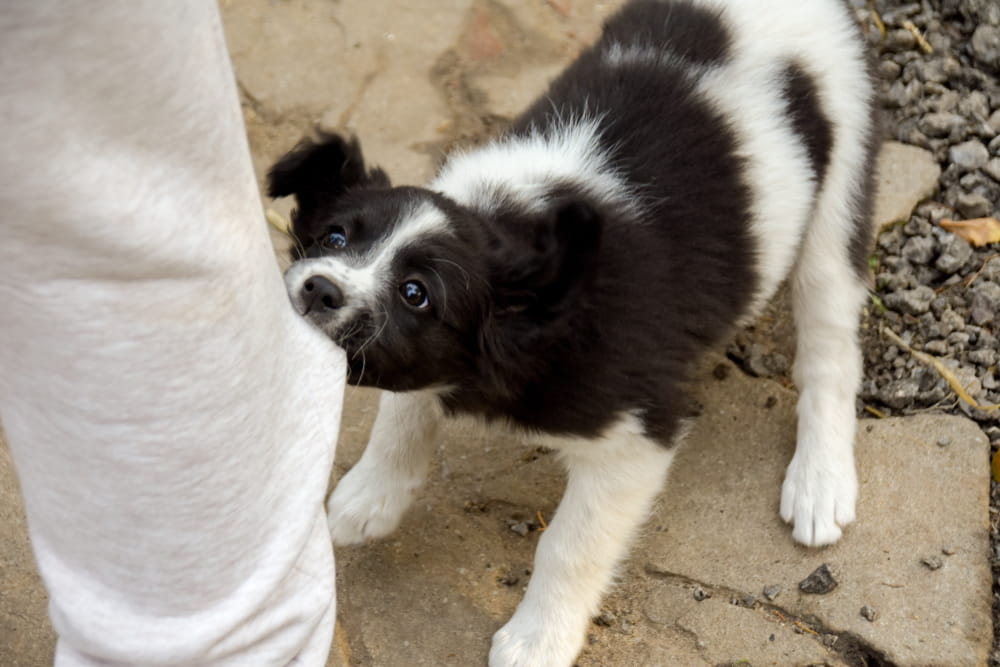
Yes, a dog owner can be sued if the dog has never bitten before, as a personal injury lawyer often helps victims recover compensation based on local strict liability laws rather than the animal’s past behavior.
A clean history does not automatically protect an owner from financial responsibility when their animal causes severe harm. The specific laws in your area dictate how these claims proceed and what evidence is necessary to establish fault.
Understanding how liability works in first-bite cases, what evidence supports a claim without prior incident history, and how insurers try to defeat these claims gives injured victims a clearer picture of where they stand.
Can a Dog Owner Be Sued If the Dog Has Never Bitten Before?
- Dog owners may be sued even if their pet has no previous history of biting
- Strict liability laws can hold an owner responsible regardless of the dog’s past behavior
- Some states require evidence that the owner knew or should have known their dog was dangerous
- Negligence, leash law violations, or a failure to control the animal may support a claim even without prior bite history
- Homeowners and renters insurance often play a crucial role in covering damages related to dog bites
- Gathering evidence and understanding local laws are essential to building a successful claim
How Liability Works When a Dog Has Never Bitten Before
The legal approach to an animal attack depends heavily on the jurisdiction where the incident occurred. Different states apply distinct rules to determine who pays for the resulting medical bills and lost wages.
Strict Liability Laws
Many states use strict liability statutes for animal attacks. Under strict liability rules, an owner is legally responsible for damages the moment their animal bites someone. The victim does not need to prove that the owner was careless or knew the animal was dangerous.
The primary requirement is that the injured person was legally allowed to be in the location where the incident happened. If the attack occurred on public property or while the victim was a lawful guest on private property, the owner is typically held liable. This holds true even if the animal had a perfectly peaceful history.
The Traditional One-Bite Rule Explained
Some states still follow a variation of the traditional one-bite rule. In these jurisdictions, holding an owner responsible requires showing they knew or should have known about the animal’s aggressive tendencies. The name of the rule is slightly misleading because a previous bite is not the only way to prove this knowledge.
Victims can often demonstrate prior knowledge by showing the animal frequently lunged at neighbors or required a specialized muzzle during walks. If the owner received previous complaints from a postal worker about aggressive barking, that evidence could satisfy the legal requirement. Gathering this proof is a critical step in building a strong claim in these jurisdictions.
Proving Negligence Without a Previous Bite History
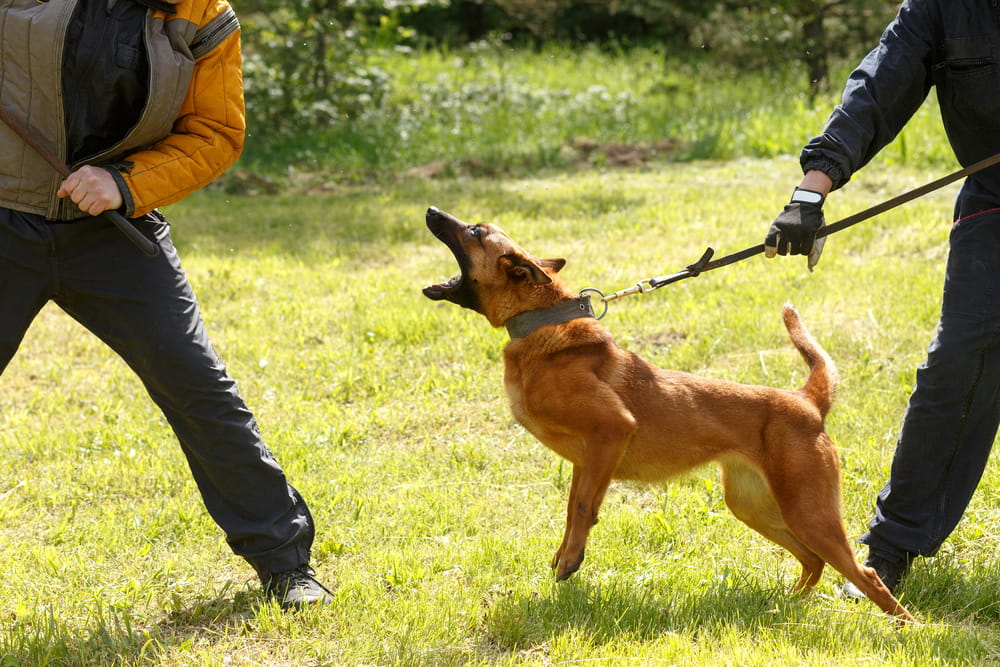
Even in states that do not use strict liability, victims can often secure compensation through general negligence claims. Negligence means the owner failed to exercise reasonable care to prevent the animal from causing harm.
Violations of Local Leash Laws
Most cities and counties enforce strict leash laws for public areas. If an owner lets their animal run loose in a park that requires leashes, they are violating a local ordinance. When that unrestrained animal bites someone, the violation of the leash law serves as strong evidence of negligence.
An owner cannot use a clean bite history as an excuse if they were actively breaking local safety rules. The failure to control the animal directly caused the injury. Documenting the specific location of the attack helps establish whether local ordinances apply.
Failure to Secure Private Property
Owners have a duty to keep their animals properly contained on their own property. A broken fence, an unlatched gate, or a weak tether can all point to negligence. If an owner knows a fence board is missing and does nothing to fix it, they are creating a dangerous situation.
When an animal escapes through a known weak point and bites a pedestrian, the owner’s failure to maintain the enclosure establishes liability. The focus remains on the owner’s careless actions rather than the animal’s past behavior. Proving this lack of care requires careful investigation of the property immediately following the incident.
Other Forms of Aggression That Establish Liability
A bite is not the only behavior that causes severe injuries or creates legal responsibility. Animals can inflict serious harm through aggressive or overly excited behavior that never involves direct contact with the skin.
Lunging, Growling, and Snapping Behaviors
An animal does not need to make physical contact in the past to establish a history of danger. Frequent lunging at fences when pedestrians walk by shows aggressive intent. Consistent growling or snapping at house guests indicates the animal poses a risk to others.
If an owner ignores these clear warning signs, they remain responsible when the behavior finally escalates into a physical attack. Neighbors and delivery drivers often provide crucial witness testimony about these past behaviors. Their statements help paint a clear picture of what the owner knew before the incident occurred.
Jumping and Knocking People Down
Large animals can cause devastating injuries simply by jumping on someone. A heavy dog knocking an elderly person to the concrete frequently results in broken hips, fractured wrists, and traumatic brain injuries. The owner may be held liable for these injuries even if the animal was acting out of excitement rather than aggression.
Failing to control a large animal around vulnerable individuals constitutes negligence. The resulting medical bills from a fall can easily rival or exceed the costs associated with puncture wounds. Evaluating the full scope of the physical harm is essential for determining claim value.
Common Defenses Used by Dog Owners and Insurers

Insurance companies actively look for ways to reduce the amount they have to pay victims. They frequently employ specific legal defenses to shift the blame away from the animal owner.
Allegations of Provocation
The most common defense in these cases is the claim that the victim provoked the animal. Adjusters may argue that the injured person teased the animal, threw objects, or intentionally caused it pain. If an investigation proves the victim actively provoked the attack, it could severely reduce or completely eliminate the available compensation.
Defending against claims of provocation requires gathering immediate witness statements. Bystanders can often confirm that the victim was simply walking past or standing still when the incident happened. Quick action prevents the insurance company from controlling the narrative.
Trespassing on Private Property
Property owners generally owe a lower standard of care to people who trespass on their land. If a person enters a fenced backyard without permission and sustains an injury, recovering compensation becomes highly difficult. The law generally protects owners from liability to unauthorized individuals.
However, there are exceptions for utility workers, postal carriers, and young children. An invited guest or someone approaching the front door for a legitimate reason is not considered a trespasser. Establishing the legal right to be on the property is a vital component of any claim.
Homeowners and Renters Insurance in Dog Bite Cases
Many injured individuals hesitate to seek compensation because they know the animal owner personally. They worry about bankrupting a neighbor or friend over a medical issue. In reality, personal injury claims typically seek funds from an insurance policy rather than an individual’s bank account.
How Policies Cover Animal Attacks
Standard homeowners and renters insurance policies include personal liability coverage. This coverage typically extends to incidents involving household pets, whether the event happens in the living room or down the street at a local park. The insurance company hires the defense attorneys and pays out the final settlement.
These policies cover emergency room visits, reconstructive surgeries, lost wages, and pain and suffering. Identifying the correct insurance policy limits early in the process helps set realistic expectations for the financial recovery.
When Insurance Companies Deny Claims
Insurance coverage is never automatic. Many companies write specific breed exclusions into their policies. If the owner has an animal listed on the excluded breed list, the insurance company might deny the claim entirely.
Other policies contain specific caps on animal liability that are much lower than the general policy limits. An insurance adjuster might also try to argue the policy lapsed due to missed payments. Uncovering all available insurance coverage sources is a complex task that heavily influences the final outcome.
Steps to Take After an Animal Attack With No Prior Bite History
The actions taken immediately following an incident significantly impact the strength of a future legal claim. Preserving evidence is just as important as receiving proper medical care.
Securing Medical Documentation
Thorough medical records serve as the foundation of any injury claim. Visiting an emergency room or urgent care center immediately establishes a clear timeline between the attack and the injuries.
- Emergency room reports: These documents provide objective proof of the initial trauma and the treatments required to stabilize the wounds
- Follow-up care plans: Continuing treatment with specialists shows that the injuries are severe and require ongoing attention
- Photographic evidence: Clear pictures of the wounds before and after medical treatment create a visual record of the physical damage
Consistent medical documentation makes it much harder for opposing parties to downplay the severity of the harm.
Gathering Critical Evidence at the Scene
Evidence disappears rapidly once the immediate danger passes. Collecting information before leaving the scene helps ensure the claim’s validity.
- Owner information: Collect the name, address, and contact details of the person in control of the animal
- Witness details: Ask bystanders for their names and phone numbers so they can provide independent accounts of the incident later
- Animal control reports: Contacting local authorities ensures an official public record exists regarding the attack and the animal involved
Gathering this independent verification provides the necessary proof to challenge any false narratives pushed by insurance adjusters.
FAQ: Can a Dog Owner Be Sued If the Dog Has Never Bitten Before?
Does it matter if the dog seemed friendly before the attack?
No, a dog’s prior friendly behavior does not prevent a claim. Even animals with no history of aggression can cause serious injuries. Many states focus on the incident itself rather than the dog’s personality or past conduct, especially under strict liability laws. This means the owner may still be responsible regardless of how the dog typically behaved.
Can I still recover compensation if I didn’t get bitten but was injured by the dog?
Yes, you may still have a valid claim even without a bite. Injuries caused by being knocked down, chased, or otherwise impacted by a dog can lead to significant harm including fractures or head injuries. Liability often depends on whether the owner failed to properly control the animal, not just whether a bite occurred.
What if the dog owner claims I provoked the animal?
Dog owners and insurance companies often argue that the victim provoked the animal to reduce or deny compensation. If proven, this could impact the ability to recover damages. Strong evidence — such as witness statements, photographs, and animal control reports — can demonstrate that no provocation occurred and support the full value of the claim.
A Dog’s Clean History Is Not a Defense Against a Valid Claim

Whether a dog has bitten before is only one factor in whether an owner can be held responsible for the harm their animal causes. Strict liability laws, leash law violations, property containment failures, and prior aggressive behavior all create paths to compensation that do not depend on bite history. Most victims who walk away from these claims do so because no one showed them what the law actually allows. Contact the injury attorneys at Slingshot Law to talk through the specific facts of your case and what your options look like under the laws that apply to your situation.