What legal rights may apply after a construction work injury in Grand Junction?Colorado construction injury claims may involve workers’ compensation, a third-party injury claim, OSHA-related evidence, or more than one responsible company, depending on who caused the hazard.
Construction work injuries in Grand Junction can involve more than one legal system. A worker may have a workers’ compensation claim while also needing to know whether another contractor, property owner, equipment company, driver, or site manager contributed to the injury.
The most serious construction injuries often trace back to familiar hazards. OSHA’s Construction Focus Four training focuses on falls, struck-by incidents, caught-in or between hazards, and electrocution because these hazards are central to construction safety enforcement and training.
What to Know About Construction Work Injuries in Grand Junction
- Construction work injuries in Grand Junction may involve workers’ compensation, third-party liability, OSHA-related evidence, or several claims at once
- OSHA’s Fatal Four construction hazards are falls, struck-by incidents, caught-in or between hazards, and electrocution
- Workers’ compensation may provide benefits without proving employer fault, but it may not cover every loss available in a third-party injury claim
- A third-party claim may apply when someone other than the employer contributed to the construction injury
- Evidence can change quickly on an active jobsite, including equipment placement, witness access, subcontractor records, and safety documentation
Construction Work Injuries in Grand Junction and the Fatal Four
Construction work injuries in Grand Junction often involve jobsites where multiple companies, workers, trades, tools, vehicles, and deadlines overlap. That complexity can make the cause of an injury harder to identify than it first appears.
The Fatal Four framework helps organize the safety risks that repeatedly cause severe harm in construction. It is not a legal claim by itself, but it can help focus the evidence review after a serious jobsite accident.
| Hazard Category | Jobsite Example | Critical Evidence |
|---|---|---|
| Falls | Roof, ladder, scaffold, platform, open edge | Fall protection records, harness use, guardrails, training |
| Struck-by | Equipment, vehicles, falling materials, swinging loads | Spotter records, traffic plans, equipment logs, witness accounts |
| Caught-in | Trenches, machinery, collapsing materials, pinch points | Lockout records, trench protection, machine guards, site photos |
| Electrocution | Power lines, temporary wiring, energized equipment | Electrical plans, utility markings, lockout procedures, tool records |
Falls Remain a Major Construction Hazard
Falls remain a major construction hazard because many jobs require work at height, uneven surfaces, ladders, scaffolds, roofs, platforms, or temporary structures. A fall claim may involve missing guardrails, unsafe access, poor tie-off options, unstable ladders, or incomplete site planning.
A legal review should look at who controlled the work area, who provided the equipment, who trained the worker, and who had the authority to correct the hazard. On a multi-employer construction site, those may be different companies.
Struck-By Incidents Can Involve More Than One Party
Struck-by incidents can involve more than one party when vehicles, cranes, tools, falling materials, or moving equipment injure a worker. These claims may involve equipment operators, subcontractors, delivery drivers, general contractors, or property owners.
The exact movement matters. A worker struck by a reversing vehicle may require a different evidence review than a worker hit by falling material from above. Traffic-control plans, spotters, loading records, and site access rules may become important.
Caught-In or Between Hazards Can Be Severe
Caught-in or between hazards can be severe because the worker may be trapped, crushed, pulled into machinery, or pinned between materials and equipment. These incidents often require a close review of machine guarding, trench safety, lockout procedures, and communication between trades.
The condition of the jobsite can change quickly after the injury. Equipment may be moved, trenches may be filled, and materials may be rearranged. Early photographs, inspection records, and witness statements can help preserve what the site looked like.
Electrocution Claims Require Technical Evidence
Electrocution claims require technical evidence because electrical hazards may involve temporary wiring, energized equipment, overhead power lines, defective tools, poor lockout procedures, or missed utility markings. These claims may require records from contractors, utility companies, equipment providers, and site supervisors.
A legal claim should identify who created the electrical hazard, who controlled the area, who had notice, and whether required precautions were followed. The answer may be different for each contractor on the site.
OSHA Standards and Colorado Construction Injury Claims
/
OSHA standards can matter in Colorado construction injury claims because they help show what safety rules applied on the jobsite. An OSHA violation does not automatically decide a civil injury claim, but OSHA records, citations, training materials, and inspection findings may become important evidence.
Construction projects in Grand Junction may involve general contractors, subcontractors, equipment rental companies, suppliers, property owners, and delivery drivers. OSHA-related evidence can help identify who controlled the work, who had safety responsibilities, and what hazards should have been addressed.
OSHA Evidence Does Not Replace a Legal Claim
OSHA evidence does not replace a legal claim because OSHA focuses on workplace safety enforcement, not personal compensation. A citation may support questions about unsafe conditions, but the injured worker still needs to connect the hazard to the accident, the responsible parties, and the damages.
The reverse is also true. A worker may still have a claim even if no OSHA citation was issued. The claim depends on the facts, the available evidence, and the legal duties of the parties involved.
Multi-Employer Jobsites Can Create Overlapping Duties
Multi-employer jobsites can create overlapping duties because several companies may share the same construction site. A general contractor may control site-wide safety, a subcontractor may control a specific task, and another company may provide equipment or materials.
This makes early investigation important. Contract documents, safety plans, daily reports, toolbox talks, job hazard analyses, and subcontractor agreements may show who had responsibility for the condition that caused the injury.
Site Records Can Disappear or Change
Site records can disappear or change because active construction projects keep moving. Crews rotate, materials shift, equipment gets repaired, and temporary hazards may be corrected after an injury.
Important records may include incident reports, photographs, daily logs, safety meeting notes, equipment inspection records, delivery records, training records, subcontractor lists, and communications between companies. These records can help show what happened before the site changed.
What Are My Colorado Legal Rights After a Grand Junction Construction Injury?
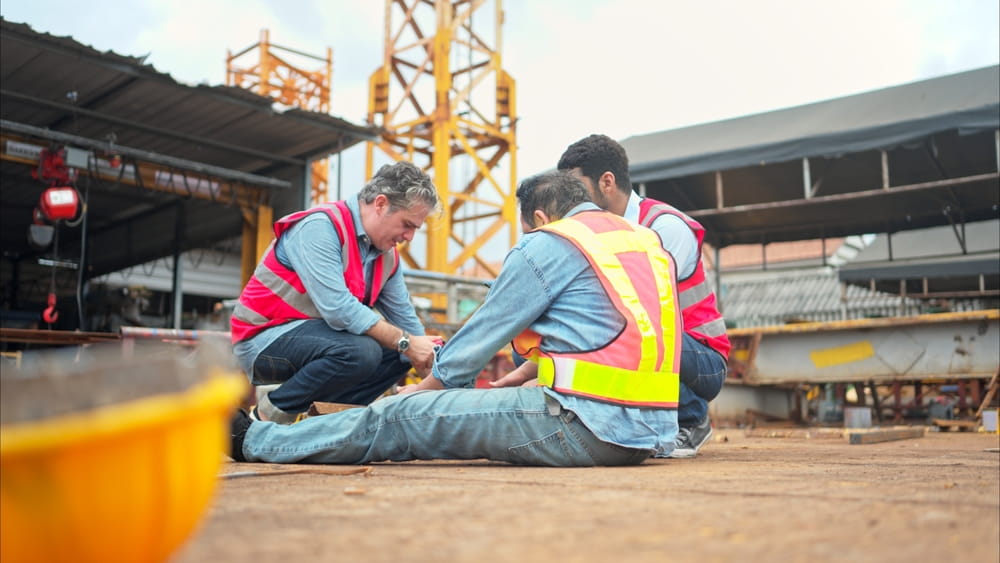
Colorado legal rights after a Grand Junction construction injury may include workers’ compensation, a third-party injury claim, or both. The type of claim depends on who caused the injury, the worker’s employment status, and whether someone outside the employer contributed to the hazard.
Colorado’s workers’ compensation system is administered through the Colorado Division of Workers’ Compensation, and work injury claims often have deadlines, notice requirements, medical rules, and benefit issues that differ from civil injury lawsuits.
Workers’ Compensation Is Not the Same as a Lawsuit
Workers’ compensation is not the same as a lawsuit because it is usually tied to workplace benefits rather than proving fault in court. It may address medical care and wage replacement, but it does not operate the same way as a third-party negligence claim.
This distinction matters after a construction injury. A worker may need workers’ compensation benefits quickly while also investigating whether another company’s negligence caused or contributed to the injury.
Third-Party Claims May Provide Additional Recovery
Third-party claims may provide additional recovery when someone other than the employer caused or contributed to the construction injury. Examples may include a negligent subcontractor, equipment manufacturer, delivery driver, property owner, or contractor that controlled a dangerous condition.
A third-party claim can address losses that may not be fully handled through workers’ compensation. The details matter because Colorado law can limit claims against employers and statutory employers, while still allowing claims against some outside parties.
Deadlines and Notice Rules Can Be Different
Deadlines and notice rules can be different because workers’ compensation claims and civil injury lawsuits follow different procedures. A missed deadline can affect benefits, lawsuit rights, or both.
The safest legal analysis starts with the date of injury, employer information, jobsite location, parties on site, accident mechanism, and whether a public entity, motor vehicle, or third-party contractor was involved.
Evidence That Helps Construction Work Injury Claims in Grand Junction
Evidence that helps construction work injury claims in Grand Junction should identify the hazard, the responsible parties, the safety rules, and the injury’s effect on the worker’s life. Jobsite evidence can be especially time-sensitive because active sites change fast.
What Records Should I Organize Before a Legal Review?
Many injured workers find it helpful to organize documents before speaking with a lawyer. Useful materials may include:
- Employer name and direct supervisor information
- Jobsite address and project name
- General contractor and subcontractor names
- Photos or videos of the work area
- Incident report, injury report, or claim number
- Names of coworkers and witnesses
- Equipment, tool, vehicle, or machine involved
- Safety meeting notes, if available
- Medical records, work restrictions, and bills
- Workers’ compensation letters and adjuster information
- Pay records, missed time, and job-duty descriptions
These records can help separate workers’ compensation issues from possible third-party liability issues. They can also identify which companies may have records that the injured worker cannot access directly.
Common Disputes in Colorado Construction Injury Claims

Common disputes in Colorado construction injury claims involve fault, employment status, insurance coverage, medical causation, and whether a third party can be sued. These disputes can arise even when the injury is severe.
The Employer May Not Be the Only Relevant Company
The employer may not be the only relevant company because construction sites often rely on several businesses working at the same time. The injured worker’s employer may handle payroll, while another contractor may control the unsafe equipment, trench, vehicle, scaffold, or work area.
A full review should identify every company on site and what each one controlled. That can affect insurance coverage and legal strategy.
Insurance Companies May Separate the Injury From the Hazard
Insurance companies may separate the injury from the hazard by arguing that the worker’s condition was preexisting, unrelated, or not caused by the jobsite event. They may also argue that the worker failed to follow instructions or caused the incident.
Medical records are important, but they are not the only evidence. Photos, witness statements, equipment records, and site documents may help connect the injury to the unsafe condition.
What if Serious Injuries Exceed Available Benefits?
Serious injuries can exceed available benefits when the worker faces long-term disability, surgery, permanent restrictions, reduced earning capacity, or a career-ending injury. Workers’ compensation benefits may be important, but they may not account for every loss that a third-party claim could address.
This is why construction injury claims should not be reviewed as a single file. The workers’ compensation side and third-party liability side may need separate evidence and strategy.
Construction Work Injuries in Grand Junction: Questions Answered by Our Grand Junction Attorneys
Can I sue after a construction work injury in Colorado?
A lawsuit may be possible if someone other than your employer caused or contributed to the construction injury. Workers’ compensation may still apply to the workplace injury, but a third-party claim may involve a subcontractor, property owner, equipment company, delivery driver, or another outside party.
What are OSHA’s Fatal Four hazards?
OSHA’s Fatal Four construction hazards are falls, struck-by incidents, caught-in or between hazards, and electrocution. These categories are used in construction safety training because they are among the most serious recurring hazards on jobsites.
Does an OSHA violation prove my construction injury claim?
An OSHA violation may support a construction injury claim, but it does not automatically prove civil liability. The claim still needs evidence showing what happened, who was responsible, how the violation relates to the injury, and what damages resulted.
Can I have workers’ compensation and a third-party claim?
A worker may have both workers’ compensation and a third-party claim when the facts support both. Workers’ compensation may address workplace benefits, while a third-party claim may pursue damages from someone outside the employer relationship.
When the Jobsite Has Already Changed

Construction sites rarely stay the same after an injury. Equipment moves, crews leave, temporary hazards disappear, and paperwork becomes harder to trace. The legal questions become clearer when the jobsite, contractors, safety records, and witness information are reviewed together. Slingshot Law helps injured workers and families in Grand Junction evaluate construction injury claims. Contact the injury attorneys at Slingshot Law to talk through the specific facts of your construction injury claim and what your options may actually be worth. For a free consultation, call (800) 488-7840.