


The short answer is no, at least not to the other driver’s insurance company. Adjusters often request a recorded statement within days of a crash, and you are allowed to say not yet, or not at all.
That surprises a lot of people, because the request usually arrives wrapped in language that makes it sound routine. Adjusters are trained professionals with a job to do, and knowing where your obligations actually begin and end changes how those first calls go.
Key Takeaways
- Texas law does not require a crash victim to give a recorded statement to the at-fault driver’s insurance company.
- An auto policy’s cooperation clause creates a separate obligation, owed to the policyholder’s own insurer.
- Recorded statements build a permanent claim record rather than speeding a claim along.
- A written account or an attorney-handled conversation often satisfies a cooperation clause.
- Hit-and-run and uninsured motorist claims run through the claimant’s own insurer, which raises the stakes on cooperation.
You Don’t Have to Say Yes Right Now
There is no law in Texas requiring you to give a recorded statement to the other driver’s insurance company. Declining does not weaken your claim, and it does not give the adjuster grounds to deny it.
Why the Request Sounds Mandatory
Adjusters often call within a day or two of a crash, sometimes before you have seen a doctor. The tone is usually friendly and the request is framed as a quick formality. It is not a formality.
You can tell the adjuster you’d rather send information in writing, or that you want to speak with someone first before answering questions on tape. Neither request is unreasonable, and a legitimate insurer will not penalize you for asking for time to think things through.
Why Does the Adjuster Call So Fast?
Timing is not an accident. An adjuster who takes your account in the first day or two captures it before the record is complete, and people describe a crash more casually than they would a week later. Nothing about that is improper, but it does work in the insurer’s favor.
What the Early Call Locks In
That early call also happens before you have had a chance to review the police report, talk to witnesses, or think through what actually happened. Answering detailed questions from memory, on tape, while still shaken from the crash, rarely works in your favor.
It is not that people lie in these calls. It is that stress and incomplete information produce small errors, and small errors are exactly what a recorded statement preserves.
Is a Recorded Statement Different From Just Talking to an Adjuster?
Yes, and the difference matters. A basic exchange confirming your name, the date of the crash, or where to send photos is not the same as a formal recorded statement, where every word is captured and can be replayed later. The line between the two blurs quickly, since detailed questions often arrive in the middle of what sounds like small talk.
How to Tell If a Call Is Being Recorded
Ask directly, because Texas law does not require the adjuster to tell you first. Texas is a one-party consent state, which means anyone on a call may record it without notifying the other person. A quick “Is this call being recorded?” at the start is a reasonable question, and a legitimate adjuster will answer it honestly.
You can also end the conversation at any point. Saying you would rather continue in writing is not a refusal to cooperate, and it gives you a record of exactly what was asked and what you answered.
What About Your Own Insurance Company?
This is where the answer changes. Most Texas auto policies include a cooperation clause, a contract term requiring you to assist your own insurer’s investigation of your claim. Refusing to cooperate with your own carrier can create real problems, including a possible coverage dispute.
What a Cooperation Clause Actually Requires
A cooperation clause rarely means you must give an unprepared, on-the-spot recorded statement. Many insurers will accept a written account instead, or let you prepare with notes before answering questions.
Ask what the clause actually requires rather than assuming a recorded call is the only option. Reading your own policy, or asking your agent to point you to the relevant section, takes 10 minutes and can save you from agreeing to more than the contract demands. The Texas Department of Insurance publishes consumer guidance on auto coverage that is worth reading before that call.
Where This Gets More Complicated: Hit-and-Run and Uninsured Driver Claims

The calculation changes once your own insurer becomes the one paying the claim. If the at-fault driver fled the scene or carried no insurance, you are typically filing against your own uninsured motorist coverage, which Texas requires insurers to offer unless you reject it in writing. That puts you across the table from your own carrier from the start.
Why UM and UIM Claims Raise the Stakes
In an Austin uninsured motorist claim, or a hit-and-run accident where the other driver never stops, your own insurer has more leverage to request cooperation. That makes it worth understanding what your UM/UIM coverage requires before an adjuster asks for a recorded statement. Knowing your cooperation terms in advance puts you in a stronger position than learning them mid-call.
How Do Insurers Use Recorded Statements Against You?
A recorded statement becomes part of the permanent claim file, compared line by line against your medical records, the police report, and anything you say later. Small inconsistencies can be framed as contradictions rather than the normal fog of a stressful day, which is exactly the kind of detail that shapes what a claim ends up worth.
Questions Built to Invite a Guess
Open-ended questions invite speculation. “What do you think caused the other driver to swerve?” sounds harmless, but a guess on tape can later read as an admission that you were unsure who was at fault. Questions about how you are doing follow the same pattern, since “I’m feeling better” can be replayed weeks later to argue your claim is worth less than your records show.
What to Say If You Decide to Give One
Sometimes cooperating is the right call, particularly with your own insurer on a UM or UIM claim where the coverage you’re relying on comes from your own contract. If you do move forward, stick to facts you’re certain of, and say “I don’t know” or “I don’t recall” when that’s the honest answer. Guessing to fill a silence is where most damage happens.
Ask for the questions in advance if possible, and do not feel pressured to keep talking once you have answered what was asked. A short, accurate statement protects you better than a long, uncertain one.
Questions You Should Not Answer Yourself
Some questions are not yours to answer. If an adjuster asks about medical causation, fault percentages, or how long a recovery will take, it is fair to say that belongs with your doctor or your attorney. A deferral is not evasion, and a reasonable adjuster will move on.
FAQs: Recorded Statement Insurance Company
A few more questions come up once people realize they aren’t required to say yes right away.
Can the insurance company deny my claim if I refuse a recorded statement?
The at-fault driver’s insurer cannot deny your claim simply because you declined to give them a recorded statement, since you owe them no contractual duty. Your own insurer’s policy terms are what matter if the claim is running through your coverage instead, so it’s worth confirming which insurer you’re actually dealing with before assuming the same rules apply.
What if the adjuster says it’s required to process my claim?
That phrasing is common, but it isn’t accurate when it comes to the other driver’s insurer. You can ask them to proceed using the police report, photos, and other documentation instead, and a legitimate claim will still move forward without your recorded account.
How long do I have to decide?
There is no deadline for answering a recorded statement request, but the underlying claim has one. Texas gives most injury claimants two years from the date of the crash to file suit, so taking time before answering does not put the claim itself at risk.
Can I have someone else present during the call?
Yes, and it’s often a good idea to have another person listening or an attorney handling the conversation directly. Adjusters tend to ask fewer speculative questions when someone else is on the line.
Does refusing a recorded statement make me look uncooperative?
Declining a recorded statement to the other driver’s insurer is a normal, common choice that carries no penalty. It reflects an understanding of how claims work, not an unwillingness to resolve things fairly.
Let an Austin Attorney Handle the Call Instead
If an adjuster is already asking for a recorded statement, an Austin car accident attorney at Slingshot Law – Injury Attorneys can take that call for you and keep what you say from being used against your own claim later.
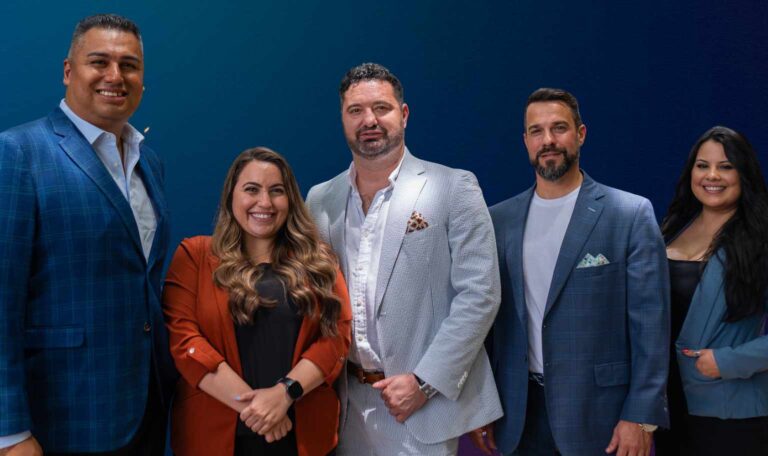 That applies whether you are dealing with the at-fault driver’s insurer, your own carrier on a UM or UIM claim, or a hit-and-run where the questions come faster and earlier. Call (800) 488-7840 before you answer anything on the record.
This is for informational purposes only and is not legal advice.