

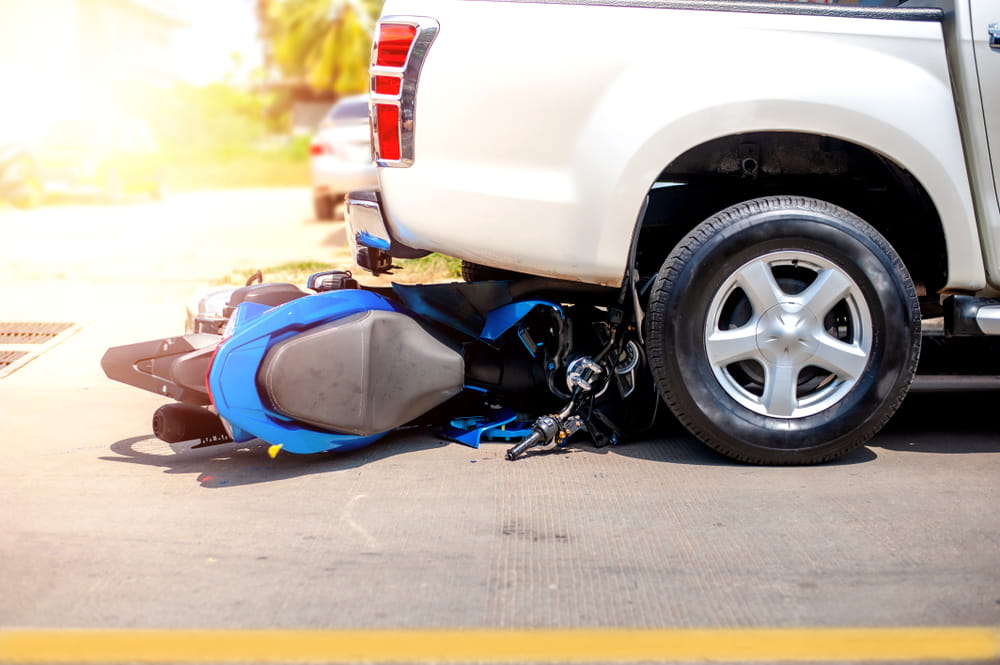
What do Austin motorcycle accident statistics show about the city’s most dangerous roads?Austin motorcycle accident statistics point to the I-35 corridor, MoPac (Loop 1), and US-183 as the highest-risk roads for riders. Roughly 40% of Texas motorcycle fatalities in 2024 occurred at or near intersections, according to TxDOT.
Austin motorcycle accident statistics show a consistent pattern: the majority of serious motorcycle crashes happen on a small number of specific corridors, especially I-35, US-183, and MoPac (Loop 1), and at intersections where drivers fail to see riders in oncoming traffic. Statewide TxDOT data reinforces the pattern, with 40% of Texas motorcycle fatalities in 2024 occurring at or near intersections.
Understanding these numbers matters for anyone who rides in Central Texas. Motorcyclists face per-mile injury and death rates that dramatically exceed those of passenger vehicle occupants. According to TxDOT, 585 motorcyclists were killed, and more than 2,400 were seriously injured on Texas roads in 2024, roughly one rider death per day. Riders account for nearly 15% of all Texas traffic fatalities despite representing a small fraction of vehicles on the road.
Crash data serves two purposes for riders and their families. It reveals where and when defensive riding matters most and provides evidentiary support for cases in which a driver’s failure to yield led to a serious rider injury. TxDOT and Austin’s Vision Zero program publish annual data covering both statewide and city-specific patterns.
The Bottom Line on Austin Motorcycle Accident Statistics
- Austin recorded approximately 290 motorcycle crashes and 16 rider deaths in 2024. The city ranks fifth in Texas for motorcycle crash volume, behind Houston, San Antonio, Dallas, and Fort Worth.
- Intersections account for 40% of Texas motorcycle fatalities. The dominant crash pattern involves a driver making a left turn across the path of an oncoming motorcycle.
- The I-35 corridor is Austin’s most crash-prone highway for all vehicles, including motorcycles. Interchanges with US-290 (Ben White) and Parmer Lane appear repeatedly in fatal crash data.
- Approximately 37% of Texas motorcyclists killed in 2024 were not wearing helmets. Texas has a partial helmet law that allows riders 21 and older to ride without helmets under specific conditions.
- Motorcyclists are roughly 28 times more likely to die per mile traveled than occupants of passenger vehicles. The lack of physical protection means even moderate crash forces often produce catastrophic injuries.
What Do Statewide Texas Motorcycle Fatality Statistics Show?
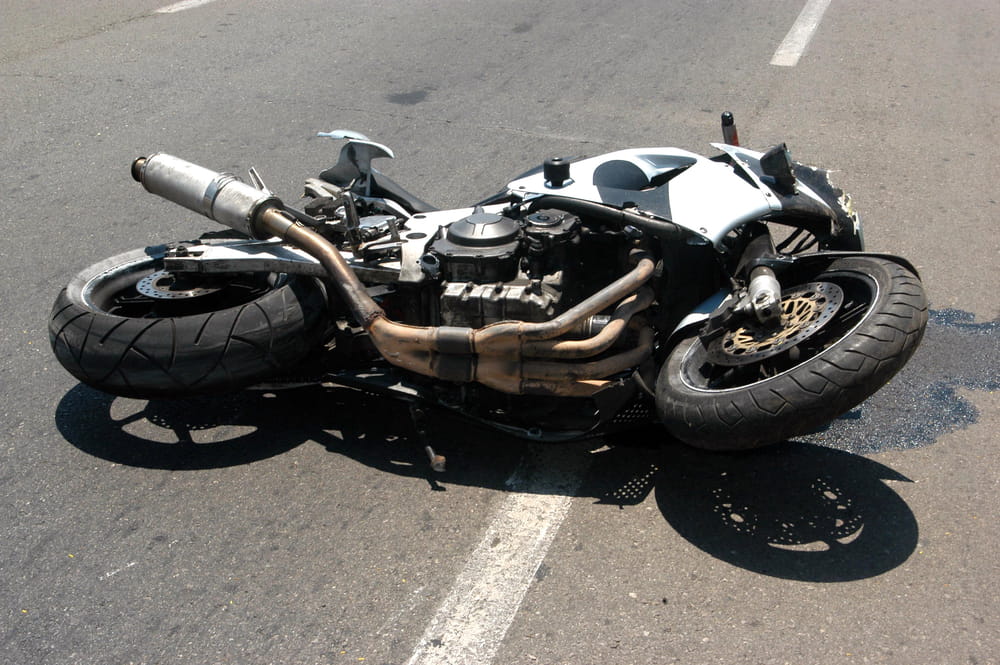
Statewide Texas motorcycle fatality statistics show 585 riders killed and more than 2,400 seriously injured on Texas roads in 2024, with intersection crashes and helmet non-use as two of the strongest predictors of fatal outcomes. Motorcyclists represent about 15% of Texas traffic deaths despite riding a small fraction of registered vehicles.
How Many Motorcyclists Die on Texas Roads Each Year?
Texas has consistently ranked among the top states for motorcycle fatalities. Annual rider deaths have ranged from roughly 400 to over 600 in the past decade, with recent years trending toward the upper end of that range. TxDOT reported that motorcyclist deaths rose 7% in 2023 compared to 2022, and intersection fatal crashes rose 21% in the same period.
What Percentage of Fatal Motorcycle Crashes Happen at Intersections?
Roughly 40% of Texas motorcycle fatalities in 2024 occurred at or near intersections, based on TxDOT’s Share the Road analysis. The most common fact pattern involves a driver turning left in front of an oncoming motorcycle, either because the driver failed to see the rider or misjudged the motorcycle’s speed and distance. This pattern is legally significant because it usually establishes the driver’s negligence in failing to keep a proper lookout or yield the right of way.
How Does Helmet Use Affect Fatality Rates?
Helmet use significantly reduces fatality risk in motorcycle crashes. NHTSA estimates helmets are approximately 37% effective at preventing rider death. In Texas, approximately 37% of motorcyclists killed in 2024 crashes were not wearing helmets.
Texas Transportation Code § 661.003 requires riders under 21 to wear helmets, while riders 21 and older may ride without one if they completed a safety course or carry qualifying medical insurance. Non-helmet use does not bar recovery in Texas but often becomes a contested issue in injury severity arguments.
How Does Austin Compare to Other Texas Cities for Motorcycle Crashes?
Austin ranks fifth among major Texas cities for motorcycle crash volume, with roughly 290 crashes and 16 rider deaths recorded within city limits in 2024. Houston, San Antonio, Dallas, and Fort Worth all recorded higher totals, reflecting their larger populations and denser highway networks.
| City | Motorcycle Crashes (2024) | Rider Deaths (2024) |
|---|---|---|
| Houston | 686 | 32 |
| San Antonio | 560 | 27 |
| Dallas | 392 | 23 |
| Fort Worth | 304 | 16 |
| Austin | 290 | 16 |
City-level totals reflect crashes occurring within municipal limits as reported by responding officers. Suburban and highway crashes outside city limits fall into county-level data, which typically show additional crashes in Travis, Hays, and Williamson counties that surround the Austin metro area.
What Are Austin’s Most Dangerous Roads for Motorcyclists?
Austin’s most dangerous roads for motorcyclists are the I-35 corridor, MoPac (Loop 1), and US-183, particularly at points where these highways intersect or connect to major arterial streets. These corridors combine high traffic volume, high speeds, and complex merge patterns that create disproportionate risk for riders.
I-35 Corridor and Its Interchanges
Interstate 35 through central Austin ranks as the highest-crash corridor in the metro area for all vehicles, including motorcycles. The stretch between US-290 (Ben White Boulevard) and SH-71 sees hundreds of crashes annually. The I-35/Ben White interchange has recorded multiple fatal motorcycle crashes, and the ongoing I-35 Capital Express expansion has added construction-zone hazards throughout the corridor.
Frontage roads on both sides of I-35 create high-speed merge conflicts where riders on surface streets encounter drivers exiting the interstate at highway speeds.
MoPac (Loop 1) Interchange Points
MoPac Expressway sees heavy crash volumes at its interchange points with US-183 and Cesar Chavez Street. The Express Lane speed differential creates additional risk: high-speed express-lane traffic sits alongside congested or stopped general-purpose lanes, and merging conflicts between the two often produce severe crashes. Motorcycle riders crossing these transitions face particular exposure because of the closing-speed gap.
US-183 and Major Arterial Corridors
US-183 from I-35 north through Cedar Park has multiple high-crash intersections. North Lamar Boulevard, Research Boulevard, and Rundberg Lane all appear frequently in motorcycle crash data. Shopping center traffic, left-turn conflicts across multiple lanes, and driver distraction create particularly dangerous conditions for riders on these arterials.
Which Austin Intersections See the Most Motorcycle Fatalities?
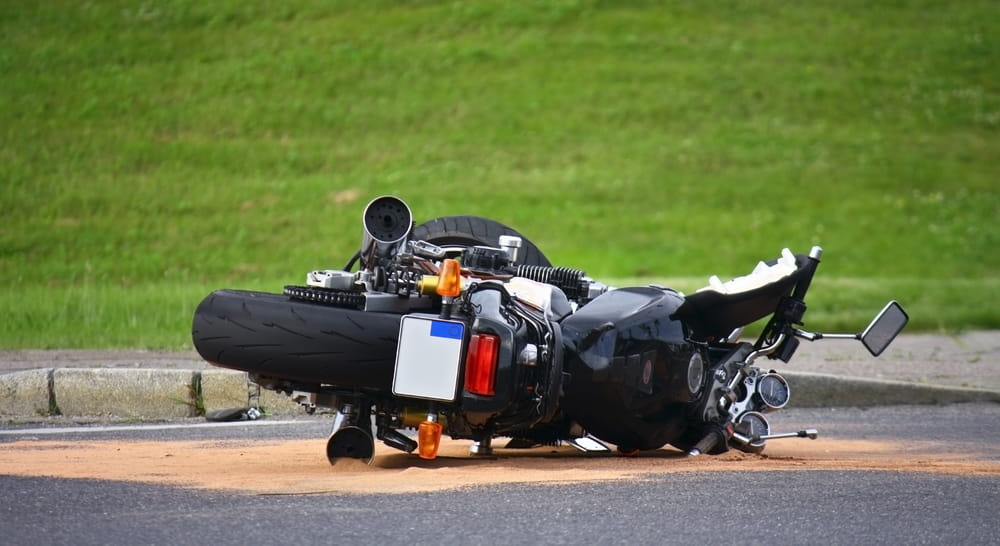
Several Austin intersections have appeared repeatedly in motorcycle fatality data over recent years. These locations combine high traffic volume, complex geometry, and the kind of driver behavior that puts riders at particular risk.
- I-35 and Parmer Lane. One of Austin’s most consistently dangerous intersections. Recent years have seen multiple fatal motorcycle crashes involving vehicles merging at high speeds from I-35 frontage roads.
- I-35 and Ben White (US-290). In 2022, all three fatal accidents at this intersection involved motorcycles, with two crashes involving collisions with larger passenger vehicles.
- Ben White Boulevard and US-183. Large commercial vehicles are frequently involved in fatal collisions at this interchange, and motorcycle riders crossing the merge points face significant exposure.
- East Cesar Chavez Street and Airport Boulevard. This East Austin intersection recorded four fatal accidents in 2022, including two motorcycle crashes. Fast-growing residential and commercial development in the area has pushed traffic volumes higher than the road design was built to handle.
- North Lamar and Rundberg Lane. This corridor sees frequent motorcycle crashes, driven by shopping center traffic and left-turn conflicts across multiple lanes.
These intersections share a pattern: they combine high closing speeds with poor sight lines and heavy left-turn conflicts, all of which increase the odds that a driver fails to see or misjudges the speed of an oncoming rider. That failure-to-yield pattern is the single most common fact scenario in Austin motorcycle crash cases.
Why Do the Same Roads and Intersections Keep Appearing in the Data?

Austin’s crash data show repeated occurrences at the same corridors and intersections because road design, traffic volume, and driver behavior patterns concentrate risk at specific locations. Austin’s Vision Zero program identifies a High-Injury Network (HIN) that accounts for a disproportionate share of serious crashes.
What Is Austin’s High-Injury Network?
Austin’s Vision Zero data identifies a High-Injury Network of streets and intersections where serious injury and fatal crashes concentrate. The HIN comprises approximately 8% of Austin’s street network but accounts for nearly 70% of serious injuries and fatalities. Motorcycle crashes cluster heavily along HIN corridors, particularly at intersections where the HIN crosses state-owned roads like I-35, US-183, and MoPac.
Why Left-Turn Crashes Dominate the Data
The dominant fatal motorcycle crash pattern in Austin, and across Texas, involves a driver turning left across a rider’s path. Drivers routinely misjudge motorcycle closing speed or fail to see the rider entirely. Failure to keep a proper lookout is negligence under Texas law, and physical evidence at the scene, when properly preserved, usually contradicts the “he came out of nowhere” narrative that drivers offer after such crashes.
Where Time of Day Matters Most
Weekend nights and rush hour increase the risk of motorcycle crashes. Approximately 52% of serious or fatal Austin crashes happen between 8 p.m. and 4 a.m., driven by impaired driving, reduced visibility, and higher speeds. Weekend evenings near Austin’s entertainment corridors (6th Street, Rainey Street, the Domain) show particular concentration in the data.
Austin Motorcycle Accident Statistics: Questions Answered by Our Attorneys
How do crash statistics help a motorcycle accident case?
Crash statistics support the case in several ways. Data showing an intersection with a history of similar crashes may support arguments about dangerous conditions and driver failure to yield. Statewide statistics on driver failure-to-yield rates strengthen negligence arguments in specific cases.
TxDOT data on rising motorcycle fatalities also supports policy-related arguments in exemplary damages cases involving grossly negligent driver conduct.
Where do I find official Austin motorcycle crash data?
Official crash data comes from two primary sources. TxDOT’s Crash Records Information System publishes annual statewide summaries and provides a public query tool. Austin’s Vision Zero program publishes city-specific crash data through its viewer tool. Both sources draw from Texas Peace Officer’s Crash Reports (form CR-3) submitted by responding officers.
Does riding on a dangerous road affect fault in a crash?
Riding on a dangerous road does not itself establish rider fault. Texas fault analysis focuses on the specific conduct of each driver, not on whether the crash location has a history of accidents. Crash history at a specific location may be relevant to a claim against a governmental entity for dangerous road design, though those cases carry short notice deadlines and additional complexity under the Texas Tort Claims Act.
How long do I have to file a Texas motorcycle accident claim?
Most Texas personal injury claims must be filed within two years of the crash under Texas Civil Practice and Remedies Code § 16.003. Wrongful death claims run two years from the date of death. Claims against government entities carry much shorter notice deadlines, sometimes as short as six months. Waiting rarely helps the case because physical evidence and witness memory both fade well before the two-year deadline.
Reading the Data From the Rider’s Seat

Numbers on a page do not tell the story of what happens when a driver turns left across a rider’s path at Parmer and I-35 on a Thursday evening. Statistics identify the pattern; each case has its own facts. If Austin motorcycle accident statistics show anything, they show that the same failure-to-yield pattern keeps producing the same kinds of injuries at the same kinds of places, year after year. What does that mean for a specific rider hurt at one of those places?
If a motorcycle crash left you or a family member injured in Austin, Slingshot Law Injury Attorneys handles motorcycle cases across Central Texas from our downtown Austin office. Contact the injury attorneys at Slingshot Law to talk through the specific facts of your claim. Call (800) 488-7840 for a free case review.