
Knowing what to do after a pedestrian accident can protect your health, your claim, and your ability to recover the full cost of the harm. When a driver hits a person walking, the injuries can be severe even at low speeds.
You may be dealing with pain, missed work, transportation problems, and an adjuster asking questions before you know what happened. Slingshot Law Injury Attorneys helps injured pedestrians in Austin build claims around evidence, medical proof, and the real changes the crash caused.
What should you do after a pedestrian accident in Austin?
After a pedestrian accident in Austin, get medical care, report the crash, preserve evidence, avoid quick insurance statements, and talk to a lawyer before fault or settlement value is decided for you.
Signals to Save After an Austin Pedestrian Crash
- Get medical care right away, even if you think you can wait.
- Make sure the crash is reported and get the report number.
- Save photos, videos, witness names, location details, and driver information.
- Do not guess about speed, distance, visibility, or fault in an insurance statement.
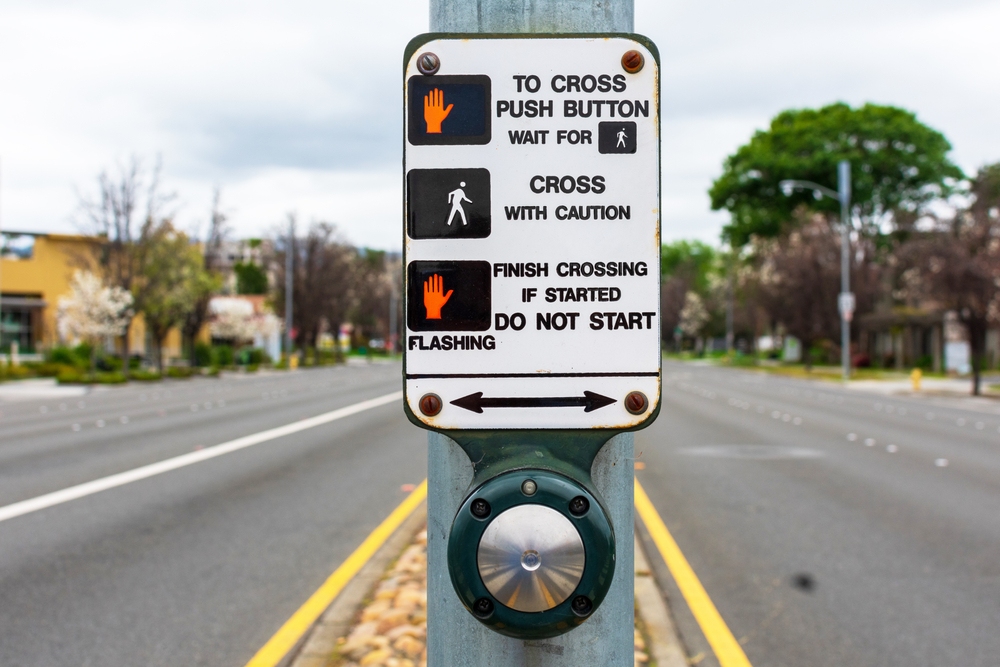
- Texas pedestrian right-of-way rules depend on crosswalks, signals, driver conduct, and pedestrian conduct.
What Should You Do in the Days and Weeks After a Pedestrian Accident in Austin?
In the days and weeks after a pedestrian accident in Austin, your focus should be medical follow-up, documentation, insurance protection, and evidence preservation. The crash may already be over, but the claim is often shaped by what happens after the first report is made.
Follow Through With Medical Care
Follow through with medical care even if you were already seen at the hospital or urgent care. Pedestrian accident injuries can change over time, especially head injuries, back injuries, knee trauma, shoulder injuries, fractures, and nerve pain.
Keep every appointment you can. If symptoms get worse, tell the doctor clearly when they started and how they affect walking, working, sleeping, driving, or daily tasks.
Keep a Record of Missed Work and Daily Limits
Keep a record of how the injury affects your work and daily life. Save pay stubs, missed-time records, employer notes, work restrictions, and proof of used vacation or sick time.
You should also track practical changes at home. Trouble walking, needing rides, missing family duties, needing help with chores, or avoiding certain streets can all indicate the real effects of the crash.
Preserve Evidence Before It Disappears
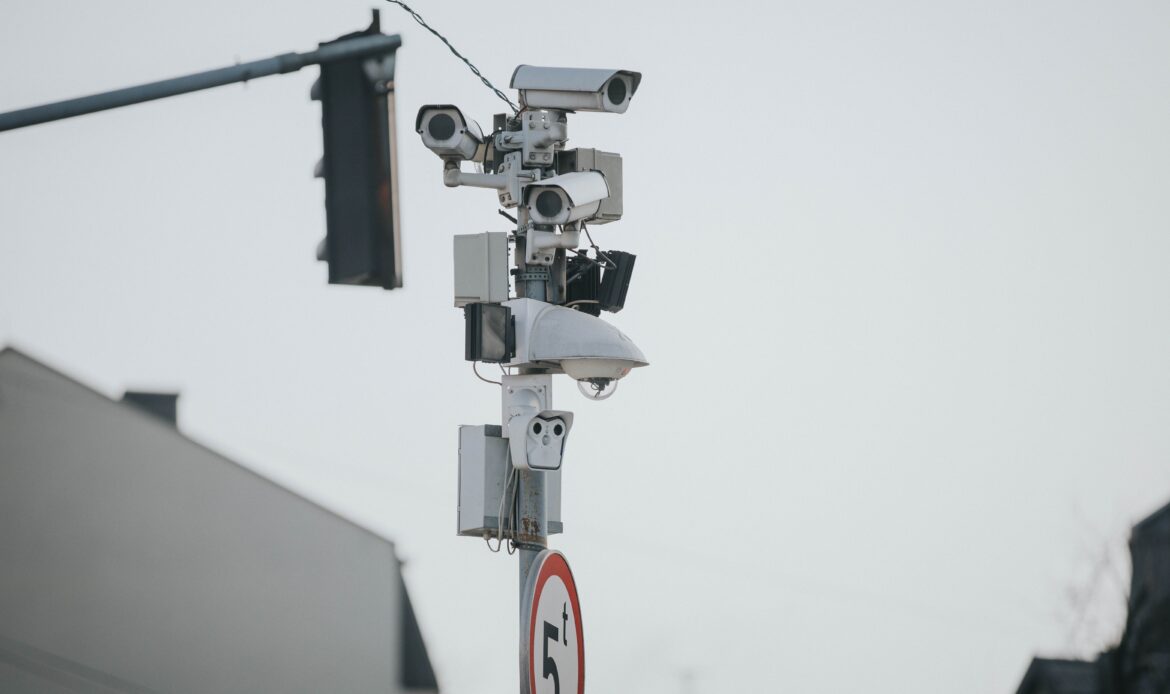
Preserve evidence during the weeks after the crash because video, witness details, and location conditions can change quickly. If you have photos, witness names, driver information, insurance letters, or the crash report number, keep them together.
Nearby businesses, apartment buildings, dashcams, rideshare vehicles, and traffic cameras may have footage. That footage may not be saved for long, so it should be requested as early as possible.
Be Careful With Insurance Calls
Be careful with insurance calls after a pedestrian accident. An adjuster may ask for a recorded statement, broad medical authorization, or a quick settlement before your treatment is complete.
Do not guess about speed, timing, distance, visibility, or fault. A statement made before you know the full medical and evidence picture can be used later to reduce your claim.
Talk to a Lawyer Before Signing Anything
Talk to a lawyer before signing a release, settlement agreement, or broad authorization. Once a settlement is signed, the claim is usually closed, even if your injuries turn out to be worse than expected.
A lawyer can review fault, insurance coverage, medical proof, lost income, future care, and whether the insurer is leaving out part of the loss.
Austin Pedestrian Right of Way and Fault
Austin pedestrian right-of-way depends on traffic signals, crosswalks, where the pedestrian was crossing, and whether the driver exercised reasonable care. A pedestrian may have a strong claim even when the insurer tries to blame them for being hard to see or crossing at the wrong time.
Crosswalks and Signals Matter
Crosswalks and signals matter because Texas law gives pedestrians specific rights and duties. Under Texas Transportation Code Chapter 552, drivers must stop and yield in certain crosswalk situations, and pedestrians must follow traffic-control signals when they apply.
Drivers Must Use Due Care
Drivers must use due care to avoid hitting pedestrians. That can involve watching the road, controlling speed, yielding when required, warning when needed, and taking extra care around children or people who appear confused or incapacitated.
A driver who says “they came out of nowhere” may still have been speeding, distracted, turning too fast, or failing to scan the crosswalk before moving.
Pedestrians Can Still Be Blamed
Pedestrians can still be blamed if the insurer claims they crossed against a signal, crossed outside a crosswalk, entered traffic suddenly, wore dark clothing, or failed to watch for cars. Those claims do not decide the case by themselves.
Who Is at Fault for a Pedestrian Accident?
Fault for a pedestrian accident depends on who violated a safety rule, who had the right of way, who had time to react, and whose conduct caused the crash. The driver is not always automatically at fault, but neither is the pedestrian.
| Situation | Fault Question | Evidence That Helps |
| Driver turning at an intersection | Did the driver yield and scan the crosswalk? | Signal timing, video, witnesses |
| Pedestrian crossing midblock | Was the driver speeding, distracted, or able to avoid impact? | Vehicle data, road design, lighting |
| Hit in a parking lot | Did the driver look before backing or turning? | Store video, damage photos |
| Nighttime crash | Could the driver see and react in time? | Lighting photos, speed evidence |
The Police Report May Not Decide Fault
The police report may help, but it may not decide fault. Officers may arrive after the crash and rely on statements from the driver, witnesses, or injured pedestrian.
If the pedestrian was in an ambulance, unconscious, or unable to give a statement, the first report may lean too heavily on the driver’s version.
Video Can Change the Case
Video can change the case because it may show the signal, speed, turn, crosswalk, lighting, or driver reaction. Nearby businesses, apartments, traffic cameras, rideshare vehicles, dashcams, and homes may have useful footage.
What Should You Avoid After a Pedestrian Accident?
You should avoid giving guesses, signing broad releases, accepting quick money, or letting an adjuster pressure you before the injuries and evidence are clear. Insurance companies may move quickly because early confusion can help them limit the claim.
Do Not Guess About Fault
Do not guess about fault, speed, timing, or distance. A statement like “I didn’t see the car” may be used against you, even if the driver was speeding, distracted, or making an unsafe turn.
Do Not Sign Broad Medical Releases
Do not sign broad medical releases without knowing what they allow. Some releases give insurers access to years of records, which they may use to blame pain on old injuries or unrelated conditions.
Do Not Accept a Fast Settlement
Do not accept a fast settlement before the medical picture is clear. Pedestrian injuries may require follow-up care, imaging, surgery, therapy, counseling, or time away from work.
What Compensation Can an Injured Pedestrian Claim?
An injured pedestrian may be able to claim medical bills, future care, lost income, reduced earning capacity, pain, mental anguish, impairment, scarring, mobility limits, and out-of-pocket expenses. The value depends on injury severity, fault, insurance coverage, and proof.
Medical Bills and Future Care
Medical bills and future care may include ambulance transport, emergency care, surgery, imaging, medication, specialist visits, physical therapy, assistive devices, and follow-up appointments.
Future care should be considered before settlement if symptoms are ongoing. A claim based only on early bills may leave out the care still ahead.
Lost Income and Work Limits
Lost income may include missed shifts, lost tips, overtime, business income, or paid time off used because of the crash. Work limits can also affect future earning capacity.
Proof may include pay stubs, tax records, employer notes, job descriptions, and medical restrictions.
Pain, Trauma, and Daily-Life Changes
Pain, trauma, and daily-life changes may include fear of crossing streets, sleep disruption, trouble walking, loss of independence, family strain, and limits on driving, childcare, exercise, or household tasks.
These losses should be documented with notes, photos, and therapy records.
Deadlines and Texas Fault Rules After a Pedestrian Accident
Deadlines and Texas fault rules can affect a pedestrian accident claim while treatment is still ongoing. Many Texas personal injury lawsuits have a general two-year deadline, and fault arguments can reduce or block recovery.
Texas Fault Rules Can Reduce Recovery
Texas uses proportionate responsibility, often called comparative negligence. Under Texas Civil Practice and Remedies Code Chapter 33, a claimant generally cannot recover if their percentage of responsibility is greater than 50 percent.
If the injured pedestrian is 50 percent or less responsible, recovery may be reduced by that percentage. The insurer’s blame estimate should be challenged with evidence.
The Lawsuit Deadline Still Runs
The lawsuit deadline still runs while treatment, insurance calls, and settlement talks continue. Many Texas personal injury cases must be filed within two years, but minors, government vehicles, public property, hit-and-run facts, or other issues can change the timing analysis.
Evidence deadlines can be shorter. Video, witnesses, vehicle data, and business records may disappear within days or weeks.
Records That Help After an Austin Pedestrian Accident
The right records can help show how the crash happened, who is responsible, what coverage exists, and how the injury changed your life. You do not need every document before speaking with a lawyer.
Helpful materials may include:
- Crash report number or officer information
- Photos of the scene, crosswalk, signal, vehicle, injuries, and clothing
- Driver name, insurance information, and vehicle details
- Witness names and contact information
- Medical records, discharge papers, bills, and prescriptions
- Work notes, pay records, and missed-time records
- Receipts for transportation, medical supplies, and out-of-pocket costs
- Insurance letters, claim numbers, and adjuster contact information
- Notes about pain, sleep, walking, fear, work limits, and daily routines
- Any settlement offer, release, or recorded-statement request
What to Do After a Pedestrian Accident Questions Answered by Our Texas Attorneys
What if I was hit outside a crosswalk?
You may still have a claim if you were hit outside a crosswalk. The driver may have been speeding, distracted, impaired, or able to avoid the crash. Texas fault rules require a fact-based review of each person’s conduct, not an automatic denial based on crossing location.
What if the driver says I came out of nowhere?
The driver’s statement does not decide fault. Video, lighting, speed, road design, phone records, witness accounts, and vehicle damage may show whether the driver had time to see and react. A common excuse should not replace a real investigation.
Should I talk to the driver’s insurance company?
You should be careful before talking to the driver’s insurance company. Adjusters may ask questions about visibility, timing, speed, pain, and prior injuries. A statement given too early can leave out facts that later become clear through records, video, and medical care.
What if the pedestrian accident was a hit and run?
A hit-and-run pedestrian accident may still involve recovery through uninsured motorist coverage, other insurance, or later identification of the driver. Report the crash, seek medical care, preserve evidence, and look for cameras near the scene. Fast investigation can matter.
Talk to Slingshot Law After an Austin Pedestrian Accident
Build the Claim Before the Insurer Defines It
A pedestrian accident can become an insurance dispute before you have answers about your injuries, work, or future care. The claim should be built around evidence, medical proof, available coverage, and the full cost of the harm.
Slingshot Law Injury Attorneys helps injured pedestrians in Austin pursue claims after preventable crashes. Call (800) 488-7840 for a free consultation.
Austin Office
Address: 1802 Lavaca St, Austin, TX 78701
Phone: (800) 488-7840
