

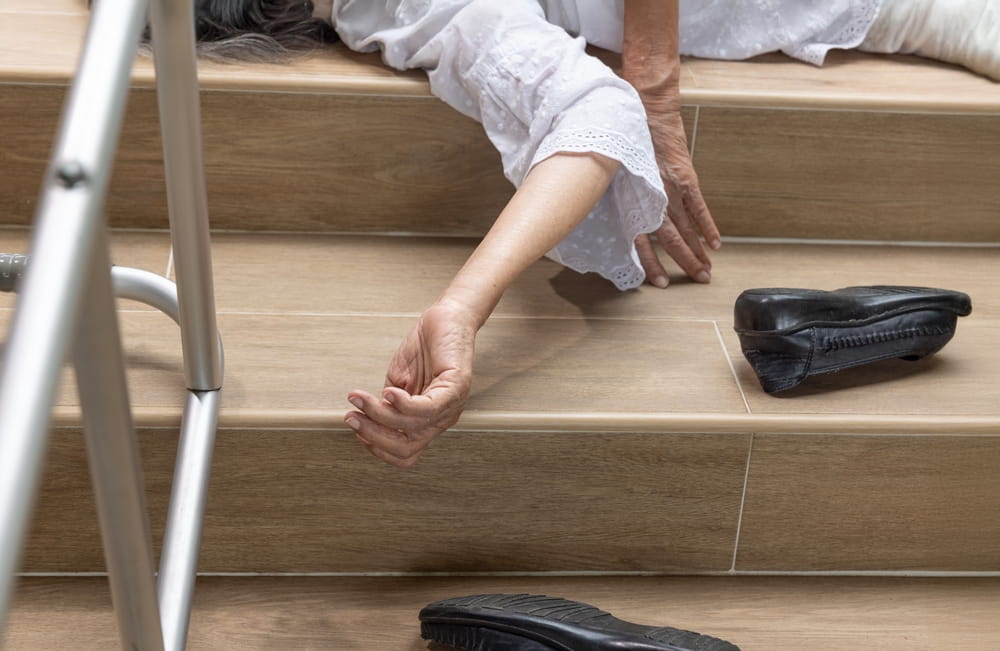
Yes, you can sue a private homeowner for a slip and fall in Texas if their failure to maintain a safe environment directly caused your injuries.
A sudden accident at a neighbor’s barbecue or a friend’s house often leads to expensive medical bills and lost wages. The law provides a path to seek financial recovery when a property owner acts carelessly.
Suffering an injury at the home of someone you know creates a highly uncomfortable situation. You might feel hesitant to take legal action because you value the relationship and do not want to cause them personal financial ruin. The physical pain of a broken bone or torn ligament frequently mixes with this emotional stress, leaving many injured people unsure of what to do next.
Most of these situations involve dealing directly with a homeowner’s insurance company rather than taking money out of a friend’s bank account. Examining how state law categorizes visitors and evaluates property hazards helps clarify your options.
Can You Sue a Private Homeowner for a Slip and Fall in Texas?
- You can sue a private homeowner for a slip and fall in Texas if their negligence led to your injuries
- The reason for your visit affects your legal rights — invitees, licensees, and trespassers are treated differently under Texas law
- Homeowners insurance usually covers injury claims, protecting personal relationships and easing concerns about financial hardship for the homeowner
- Evidence like photos, witness contact information, and prompt medical care is critical for a successful claim
- Comparative fault rules may reduce recovery if the injured party is found partially at fault for the accident
- Each case is fact-specific, so understanding the details of the situation is important before moving forward
How Texas Law Categorizes Visitors on Private Property
The legal standard applied to a case relies entirely on visitor status at the time of the fall. Property owners owe different levels of care to different types of guests.
The Rights of Invitees
An invitee is someone who enters the property for the mutual financial benefit of both parties. In a residential setting, this typically includes hired professionals like plumbers, electricians, or landscapers. Homeowners owe the highest duty of care to invitees — they must actively inspect their property for hidden dangers and fix them promptly. If they cannot fix a hazard immediately, they must provide a clear and adequate warning before the invitee enters the dangerous area.
Protections for Licensees (Social Guests)
Most residential injury cases involve licensees. A licensee is someone invited onto the property for social reasons rather than financial gain. Friends attending a dinner party, neighbors dropping off mail, and family members visiting for the holidays all fall into this category.
For licensees, the homeowner’s duty is slightly lower. The owner does not have a legal obligation to conduct regular safety inspections of their own home. However, if the homeowner actually knows about a hidden danger, they must repair it or warn the social guest. If they know a loose floorboard exists and fail to warn a visiting friend who trips over it, the homeowner could be held liable.
The Strict Rules for Trespassers
A trespasser is someone who enters private property without permission or legal authority. Generally, homeowners owe very little duty of care to trespassers — the only requirement is that the property owner cannot intentionally injure the trespasser or act with gross negligence.
A major exception exists for children who wander onto private property. The attractive nuisance doctrine often holds homeowners liable if a child is injured by an enticing hazard, such as an unsecured swimming pool or an abandoned vehicle. Homeowners must take reasonable steps to secure these features to prevent curious children from getting hurt.
Common Hazards That Lead to Residential Accidents

Homes contain numerous everyday hazards that easily cause severe injuries. Recognizing these common dangers helps demonstrate how a homeowner might have acted carelessly.
Wet Floors and Hidden Spills
Indoor slips frequently happen in kitchens and bathrooms. A leaking refrigerator, a spilled drink, or a freshly mopped floor can instantly create a dangerous surface. If a homeowner spills cooking oil and leaves it unattended while guests are walking through the kitchen, they create an unreasonable risk of harm.
Outdoor water hazards are equally common. Misaligned sprinkler heads can flood paved walkways, creating slick mud or hidden ice during colder months. A homeowner who knows their sprinklers flood the front porch but does nothing to warn arriving guests may face liability for a resulting fall.
Uneven Walkways and Poor Lighting
Tripping hazards outside the home cause many severe residential injuries. Tree roots often push up concrete sidewalks, creating dangerous elevation changes. Missing brick pavers or a broken wooden step on a porch can easily catch a shoe and cause a serious tumble.
Poor lighting severely worsens these structural hazards. If a homeowner invites people over for an evening gathering but fails to turn on the porch lights, guests cannot see a broken step. Failing to provide adequate lighting around known tripping hazards frequently points to negligence.
Dangerous Pool Areas
Backyard swimming pools represent one of the most common sites for residential injuries. The areas surrounding a pool become incredibly slippery when splashed with water. Homeowners who fail to use slip-resistant materials on their pool decks increase the risk of accidents for every guest.
Leaving pool toys, hoses, and cleaning equipment scattered across the deck also creates hidden tripping hazards. A host throwing a pool party must maintain a reasonably safe environment and monitor the area for dangerous clutter.
Homeowners Insurance in Injury Claims
Many injured people refuse to seek compensation because they worry about suing a close friend or family member. Understanding how insurance works often relieves this anxiety.
Suing the Insurance Company, Not the Friend
When filing a claim for a residential slip and fall, the injured party is typically dealing with the homeowner’s insurance policy rather than the homeowner’s personal finances. These policies exist specifically to cover bodily injury claims on the property. The insurance company hires the defense adjusters and pays the final settlement or verdict out of their own funds.
The homeowner will not have to empty their savings account to pay for a guest’s surgery. While their insurance premiums might slightly increase, the financial burden of medical bills shifts to the insurance company. This system allows injured guests to get the medical care they need without destroying personal relationships.
Medical Payments Coverage vs. Liability Coverage
Most homeowners policies include two types of coverage for injured guests. Medical Payments (MedPay) coverage usually pays for minor medical bills regardless of who was at fault for the fall. This coverage typically has a low limit — often between $1,000 and $5,000 — and does not cover lost wages or pain and suffering.
For serious injuries that require surgery or long-term care, a claim must be pursued under the policy’s bodily injury liability coverage. Accessing these larger funds requires proving that the homeowner was legally negligent. These liability limits are usually much higher, often starting at $100,000 or more.
Proving Negligence in a Texas Premises Liability Case
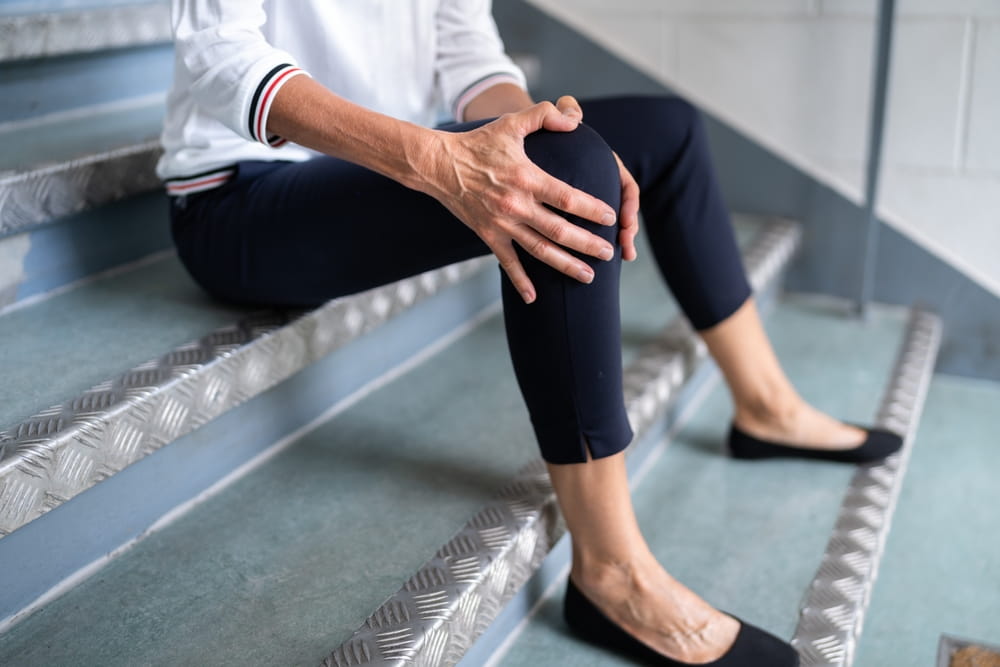
Building a strong case requires more than just showing you got hurt. You must satisfy specific legal elements to hold the homeowner’s insurance company financially accountable.
Demonstrating the Homeowner’s Knowledge
The most challenging part of a residential injury claim is proving what the homeowner knew. For a social guest, you must show the homeowner had actual knowledge of the dangerous condition. You cannot simply argue that they should have known about it.
Evidence of actual knowledge might include a prior conversation where the homeowner complained about their broken porch steps. It could also involve a witness who saw the homeowner drop a glass in the kitchen but fail to sweep up the shards. Establishing this knowledge is essential for a successful recovery.
The Impact of Comparative Fault in Texas
Texas follows a modified comparative fault rule. This means an insurance company will likely try to blame you for your own injuries. They may claim you were staring at your phone, wearing inappropriate shoes, or walking in an area where guests were not allowed.
If a jury determines you are partially at fault, your financial recovery will be reduced by your percentage of blame. If you are found to be more than 50 percent responsible for the fall, Texas law prevents you from recovering any money at all. Preparing for these defensive tactics requires gathering solid evidence from the very beginning.
A sudden injury on private property completely disrupts your daily life and creates massive financial uncertainty. The rules surrounding visitor status and insurance coverage require careful attention to detail.
What to Do in the Days and Weeks After a Slip and Fall on Private Property in Texas
The period after the initial shock of a fall is when your actions begin to shape both your recovery and any potential legal claim. What you do in the days and weeks that follow can directly affect your ability to prove what happened and recover fair compensation.
Continue Medical Treatment and Follow All Recommendations
Your medical care should remain a top priority well beyond the first visit. Attend every follow-up appointment, complete physical therapy, and follow your doctor’s instructions closely. Gaps in treatment or ignoring medical advice may give insurance companies a reason to argue that your injuries are not serious or were caused by something else.
Document Your Recovery and Limitations
As days turn into weeks, it becomes important to track how the injury affects your routine. Keep a simple journal noting pain levels, mobility issues, missed work, and activities you can no longer do. This type of documentation helps demonstrate the real-life impact of the accident beyond just medical bills.
Preserve Evidence and Stay Organized
Even after leaving the property, evidence still matters. Save any communication with the homeowner or their insurance company, including emails, letters, or claim forms. If you obtained photos or witness information earlier, keep everything in one place so it is easy to access later.
Be Cautious When Dealing With Insurance Companies
In the weeks following the incident, you may be contacted by an insurance adjuster. While they may seem helpful, their goal is often to limit how much the company pays. Avoid giving recorded statements or accepting a quick settlement before you fully understand your injuries and future medical needs.
Early offers rarely account for long-term care, ongoing pain, or complications that develop over time. Taking time to evaluate the full impact of your injuries helps protect your financial future.
Consider Speaking With a Personal Injury Attorney
As your situation becomes clearer, consulting with a personal injury lawyer can help you understand your options under Texas law. An attorney can review the details of your case, identify whether the homeowner had actual knowledge of the hazard, and handle communication with the insurance company on your behalf.
Taking consistent, thoughtful steps during this period helps build a stronger foundation for both your recovery and any potential claim.
FAQ: Can You Sue a Private Homeowner for a Slip and Fall in Texas?
Will suing a homeowner ruin my relationship with them?
In most cases, no. Slip and fall claims are typically handled through the homeowner’s insurance policy, not their personal finances. The insurance company — not the friend or family member — pays for medical bills, lost wages, and other damages, which often helps preserve the personal relationship.
What kind of evidence do I need after a slip and fall at a private home?
Strong evidence can make a major difference in a claim. This includes photos of the hazard, witness contact information, and medical records documenting the injuries. Acting quickly is important — conditions can change and evidence may disappear shortly after the incident.
Can I still file a claim if I slipped at night or in a poorly lit area?
Yes, poor lighting can actually support a claim. Homeowners are responsible for maintaining reasonably safe conditions, which includes providing adequate lighting around walkways, stairs, and entrances. If a lack of lighting contributed to the fall, it may help establish negligence on the part of the property owner.
Partner with a Dedicated Legal Professional

What would it mean for your physical recovery to have someone handle the complicated insurance communications on your behalf? Contact the injury attorneys at Slingshot Law to discuss the facts of your situation.