

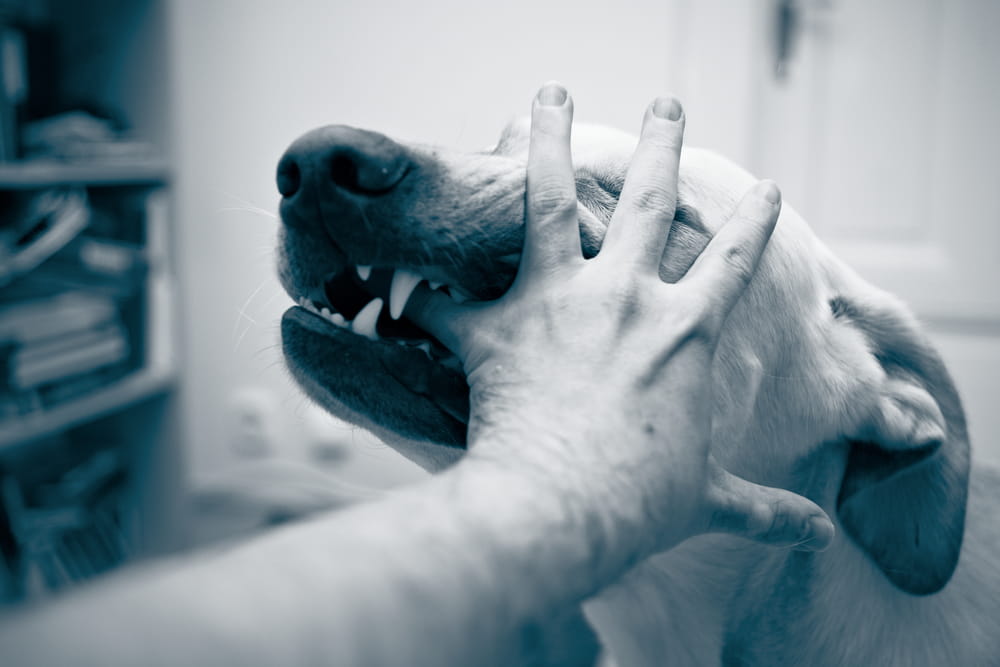
Dog attacks can have both physical and emotional scars, sometimes requiring extensive medical treatment and ongoing care. While you have a legal right to take action against the negligent party, your action is limited to a strict timeline within which you can legally sue. A dog bite attorney can help push for accountability and protect your interests while you focus on recovery. At Slingshot Law Injury Attorneys, the legal team can work on your case to assess your situation and take the necessary
legal steps on time to ensure your rights are preserved.
Even if weeks or months have passed since the attack, you may still have the right to file a claim, but there is a lot that goes into timing for personal injury claims. Be sure to enlist the help of a personal injury lawyer promptly to ensure you do not lose the opportunity to seek justice.
Key Takeaways: How Long After a Dog Attack Can You Sue?
- The time to file a lawsuit after a dog attack is limited by the statute of limitations, which varies by state.
- In some states, like Texas, you have only two years to sue, or you may lose your right to take any legal action.
- There are tolling factors that may extend or pause filing deadlines, such as the discovery rule, minors, concealment by the dog owner, or mental incapacity.
- Maintaining medical records, photographs, witness statements, and journals of ongoing impacts can strengthen your claim and help attorneys present the full scope of harm.
- Professional legal representation can ensure deadlines are met, evidence is preserved, and all aspects of your case are properly represented.
- Work with a dog attack attorney early in the process to ensure your claim is filed correctly, on time, and fully supported.
How the Statute of Limitations Works
The statute of limitations refers to the fixed period of time established by law during which you must initiate a lawsuit following an injury or incident, such as a dog bite. This deadline varies by state and is designed to ensure claims are brought while evidence is fresh and facts are verifiable. Filing after the statute expires usually prevents the court from hearing your case, even if the dog owner is clearly at fault.
In most dog attack cases, the statute of limitations begins on the date of the attack, though certain exceptions may apply. These exceptions can shift or pause the starting point. They include:
- The discovery rule: if certain injuries or complications, such as infections or scarring issues, weren’t immediately discoverable and couldn’t reasonably have been discovered right away, the clock may start on the date you discovered or should have discovered the harm.
- For minors in a child injury case, many states toll the statute until the child reaches the age of majority. This can give them several additional years to file once they become adults.
- If the dog owner leaves the state, conceals their identity, or engages in fraud or concealment related to the incident, the clock may be tolled until those barriers are removed.
- In limited cases involving mental incapacity or other disabilities that prevent the victim from pursuing legal action, tolling may apply until the incapacity ends.
These exceptions often require proof and legal argument. Your lawyer can evaluate whether any tolling provisions apply to your situation and help preserve your rights. The legal team at Slingshot Law Injury Attorneys can review your case, verify the applicable statute of limitations, and advise you on any exceptions that may extend your filing window.
What Is the Statute of Limitations For My Dog Attack Case?

The statute of limitations for animal attack lawsuits varies by state, as these cases are generally treated under each state’s personal injury laws. This deadline sets a strict time limit for pursuing compensation through the courts after a dog attack. Most states provide between one and three years from the date of the incident.
Courts enforce these limits rigorously, so determining the exact timeframe in your jurisdiction early is essential. Therefore, it is crucial to be aware of the time limit to filing your dog attack lawsuit.
For example, in Texas, you can sue for dog attack injuries within two years from the date of the attack. It aligns with the state’s general personal injury statute, meaning you must file any personal injury lawsuit within that window or risk losing your right to seek recovery.
In Colorado, the statute of limitations is also two years from the date of injury or when the injury was or should have been discovered. Colorado follows a strict liability approach for serious injuries or death caused by dog bites in many cases, but the two-year filing deadline still applies strictly.
How Can I Ensure I File My Case on Time?
Meeting the statute of limitations is one of the most critical aspects of a dog attack claim. It is because once the period expires in your state, courts will typically dismiss your case permanently. The good news is that with proactive steps and professional support, you can protect your rights and avoid missing this window.
The first and most effective way to ensure timely filing is to consult a dog attack lawyer as soon as possible after seeking medical treatment. An attorney will immediately determine the exact statute of limitations applicable in your case based on the state where the attack occurred. They handle these time-sensitive matters routinely and can confirm whether any exceptions might extend your deadline. That way, you can eliminate guesswork and reduce the risk of accidental delays.
Importantly, you need to build and file your case within the required timeframe. You may need to focus on these practical actions:
- Act promptly on medical care and documentation: Continue following up with healthcare providers to create a complete record of your injuries, treatments, and any ongoing needs. Medical records are essential evidence, and gathering them early prevents last-minute scrambles that can push you close to the deadline.
- Preserve all relevant evidence without delay: Collect and organize items like photographs of your wounds and scarring, any animal control or police reports from the incident, and contact information for witnesses. Your lawyer can guide you on what to secure and how to do so properly, ensuring nothing relevant is lost over time.
- Avoid direct dealings with insurance companies alone: Insurance adjusters may contact you early and pressure you for quick statements or settlements. Without legal advice, these interactions can unintentionally harm your case or create unnecessary delays. Let your attorney manage all communications to keep the process on track and focused on your full recovery needs.
- Monitor progress with regular check-ins: Work closely with your attorney to track milestones, such as completing evidence collection, sending demand letters, or preparing court filings. The legal team at Slingshot Law Injury Attorneys sets internal timelines so that nothing falls through the cracks and that your lawsuit is filed well before the deadline if negotiations don’t resolve the matter.
Early preparation is key because statutes of limitations are rarely flexible. For instance, even in states with a standard two-year limit, waiting until the final months can make it challenging to gather strong evidence or address any complications. Acting early gives your attorney ample time to investigate liability for a dog bite, negotiate effectively with the dog owner’s insurer, and, if necessary, prepare and file a formal complaint in court.
The Impact of a Dog Attack on Your Daily Life
A dog attack often leads to lasting disruptions that affect nearly every aspect of your routine, from work and mobility to social interactions and emotional well-being. These changes can persist for months, years, or even indefinitely if not properly addressed. The severity of the impact often depends on the extent of injuries, but even seemingly minor bites can trigger physical limitations, chronic pain, and strong psychological effects.
Some of the injuries associated with dog attacks include:
- Scarring and disfigurement, which can restrict movement, especially if bites occur on hands, arms, legs, or joints
- Anxiety and fear
- Reduced mobility from muscle, tendon, or bone damage
- Depression and loss of enjoyment
- PTSD symptoms, such as flashbacks, hypervigilance, panic attacks, or intrusive memories
- Nerve damage or chronic pain from deep bites, which can lead to numbness, tingling, or persistent discomfort
The full impact of a dog attack often unfolds gradually. The physical recovery may take time, psychological symptoms can emerge later, and the true extent of disruptions may only become clearer several months down the line. This is why consulting a dog attack attorney early is so valuable. An attorney from Slingshot Law Injury Attorneys can help ensure that your ongoing treatment, recovery timeline, and daily challenges are correctly documented and integrated into your claim before the statute of limitations expires.
What Do I Do After a Dog Attack?

After a dog attack, the clock for the statute of limitations starts ticking right away. Therefore, your focus should be on your well-being and legal recovery. There are several vital steps to protect your legal rights and ensure you file your case on time:
- Report the bite to local authorities: Notify your local animal control or public health department about the incident. It establishes an official record of the attack, which can be important for your claim.
- Continue with medical care: Follow your doctor’s instructions carefully, attend all follow-up appointments, and document every treatment. Infections or scarring may not show their full impact immediately. Therefore, consistent medical attention becomes key evidence that your dog attack lawyer will use to support your case.
- Record ongoing effects on daily life: Keep a detailed journal of how your injuries impact work, school, hobbies, or daily activities. These records help your attorney show the full extent of your harm.
- Preserve evidence of the attack: Take photographs of wounds, scars, and any lasting physical effects. Witness statements, if available, should also be documented promptly.
- Contact a dog attack lawyer immediately: Delays in seeking professional legal help can jeopardize your right to file a lawsuit. A dog attack attorney at Slingshot
Law will assess your claim correctly, track deadlines, and collect and preserve relevant evidence for filing.
Taking these steps early not only protects your health but also safeguards your legal rights. With proper documentation and timely legal guidance, you can significantly strengthen your ability to pursue justice while focusing on your recovery.
Frequently Asked Questions About the Timeline for Filing Dog Attack Lawsuits
Can I sue if the dog was on someone else’s property?
You can bring a lawsuit even if the dog was on private property, so long as you file it on time. A dog attack lawyer can help uncover whether the dog owner, property owner, or both may be legally responsible. To uncover these facts, your attorney will evaluate factors such as whether the animal was properly restrained, whether the victim had permission to be on the property, and whether local animal control laws were violated.
Does the dog’s breed or vaccination status affect my ability to sue?
While the breed or vaccination status of the dog may influence health-related concerns, it generally does not prevent you from filing a claim. Your lawyer will likely focus on the owner’s negligence and legal responsibility rather than the dog itself. They will use vaccination records and other evidence to support your case and address any potential risks resulting from the bite.
Can I bring a claim if the dog had a history of prior attacks?
Evidence of prior attacks can strengthen your case. A dog attack lawyer can obtain police or animal control reports, medical records from previous incidents, and witness statements to demonstrate that the owner knew, or should have known, the dog was dangerous. It can be a key factor in proving negligence or liability in your lawsuit.
Timely Action with a Dog Bite Lawyer Is Key

The time you have to sue following a dog attack is a key consideration for a winning claim. You need to act promptly to ensure that all medical records, evidence, and documentation of your ongoing recovery are preserved for your case. A dog attack lawyer can guide you through this process, making sure you file your claim within the statute of limitations and that every critical detail is documented correctly.
At Slingshot Law Injury Attorneys, our attorneys will explain your rights, evaluate your situation, and take timely legal action to protect those rights. Please get in touch with your personal injury attorney today to secure timely legal support and preserve your right to pursue justice.