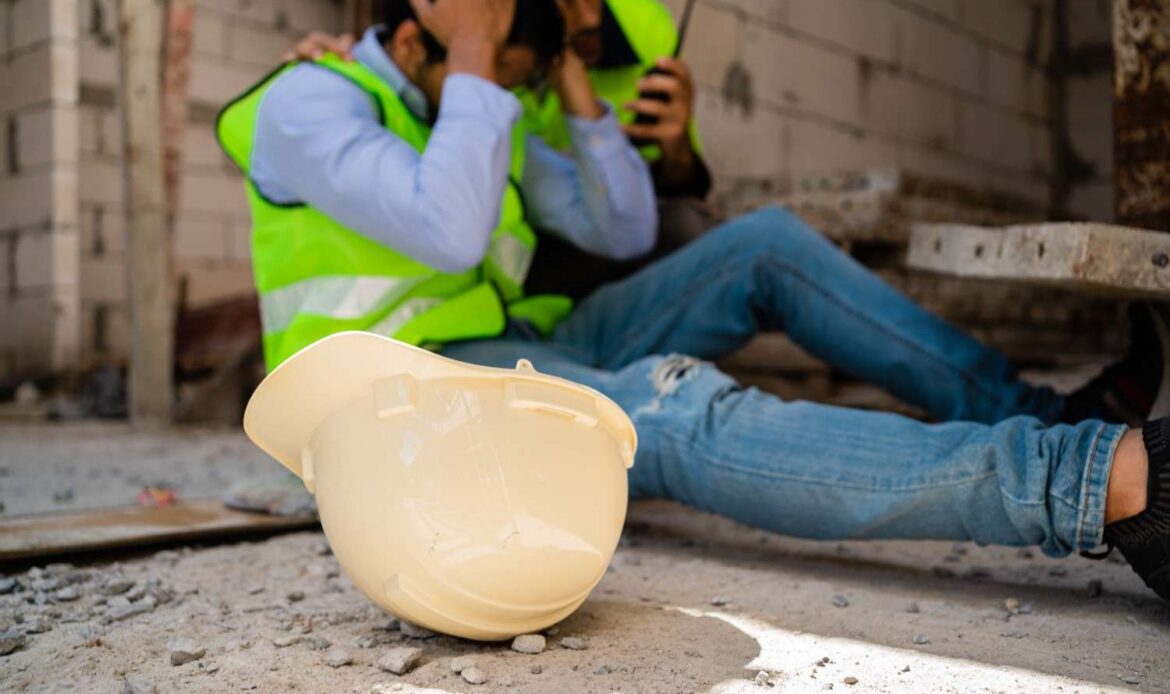
There is a common presumption that helmets provide significant protection against head injuries, particularly in activities like cycling, motorcycling, and contact sports. However, it’s essential to recognize that while helmets can reduce the risk and severity of head injuries, they do not guarantee absolute protection. The force of impact, the angle of the collision, and the type of crash can still cause head injuries, which is why head injuries remain a possibility even while wearing helmets.
If you or a family member has suffered a head injury in a motorcycle accident despite helmet use, the legal and medical implications can be challenging. The team at Slingshot Law Injury Attorneys is familiar with the biomechanics of these injuries and can explain your rights. Call our Austin personal injury attorneys to discuss your situation.
Key Takeaways Involving Head Injuries While Wearing a Helmet
- Helmets cushion the impact and reduce the severity of head injuries, but some crash dynamics still cause head injuries.
- Helmets protect through a hard outer shell, an energy-absorbing foam liner, and secure-fit systems that reduce linear and rotational forces, minimizing the risk of head injuries.
- Some factors, like extreme impact, oblique forces, helmet fit, and pre-existing damage, can result in various forms of head injuries even when wearing a helmet.
- Head injury claims account for total losses incurred, depending on the extent of injuries and their effects on daily life and future needs.
- Proper fit, current certification, and careful inspection of the helmet after any crash are essential to ensure it performs effectively in protecting against head trauma.
- Contact a personal injury attorney to help document the injury, collaborate with medical and economic professionals, and pursue full compensation for present and future damages.
How Helmets Protect You Against Head Injuries
Motorcycle helmets function as a sophisticated impact-management system. Their design mainly addresses direct impact and violent movement. By mitigating these forces, a helmet can reduce the chances of suffering a head trauma.
The protection operates through a multi-layered design. Manufacturers make the hard outer shell from polycarbonate, fiberglass, or carbon fiber. Engineers design it to resist penetration by objects and distribute impact forces across a broader area of the helmet. This prevents a concentrated force on a single point of the skull. Beneath this shell, the dense foam liner is the key safety component. Upon impact, this foam absorbs kinetic energy by extending the time it takes for the head to decelerate. This process reduces the peak force transmitted to the brain.
Furthermore, the helmet’s full-coverage design and secure retention system work to manage rotational motion. While they cannot eliminate it, a properly fitted helmet adds friction against the road surface, which can slightly reduce the abrupt twisting of the head associated with diffuse axonal injuries. The interior padding also provides a buffer against direct contact with the hard shell, helping to prevent scalp lacerations and contusions.
This engineered intervention changes the physics of the collision for the rider’s head. Instead of the skull striking a rigid surface at full velocity, the helmet manages the energy transfer, allowing the brain to slow more gradually within the cranial space. It is this alteration of the force-duration curve that makes helmets effective. However, catastrophic forces in severe crashes can overcome the system’s design limits, causing head injuries.
Why Do Head Injuries Still Occur While Wearing Helmets?
Despite a helmet’s advanced engineering, the biomechanics of trauma in high-energy impacts can exceed the protective capacity of the helmet. Head injuries still occur because a helmet mitigates, but does not eliminate, the transfer of kinetic energy to the brain and skull. Physical constraints—such as material strength, design limits, and the extreme forces in violent collisions—limit its effectiveness.
Several factors contribute to this limitation. First, the helmet’s foam liner must crush to absorb energy, but once compressed, it cannot absorb more. In a severe impact, the liner may reach maximum compression, allowing residual force to transmit to the head.

Second, helmets are primarily tested and optimized for linear impacts, direct, straight-on blows. Many vehicular accidents involve oblique or rotational forces, where the head is struck at an angle, causing it to twist rapidly. While modern helmet designs aim to address this, managing rotational acceleration remains a significant challenge, and such forces can cause shearing injury to the brain’s delicate neural structures.
Additionally, protection is not absolute across all impact locations. A strike to the lower face or jaw, only partially covered by some helmet designs, can transmit force to the base of the skull or the temporomandibular joint.
Finally, helmet fit and condition are important factors. A loose helmet can shift or come off during a crash, and a helmet compromised by prior damage or age may not perform to its intended specifications. Therefore, while a helmet is a remarkably effective tool, it is not an absolute solution against the extreme dynamics of head injury.
Types of Head Injuries Possible with Helmet Use
While a helmet substantially reduces risk, the brain remains vulnerable to several categories of injury due to the complex forces involved in a collision. These injuries range from temporary dysfunction to life-altering damage. Common head injuries that may still occur include:
Concussion
A concussion happens when the brain moves within the skull, leading to temporary impairment of neurological function. Symptoms can include headache, confusion, dizziness, memory problems, and sensitivity to light or noise. Helmets reduce the likelihood of a concussion but cannot always prevent the rapid acceleration-deceleration of the brain that causes it, particularly in rotational impacts.
Skull Fracture
The hard shell of a helmet is highly effective at preventing open or depressed skull fractures from direct contact. However, a significant impact can sometimes transfer enough force through the helmet system to cause a linear fracture in the bone, especially in areas where the skull’s geometry concentrates stress. While less immediately life-threatening than an open fracture, it still indicates a serious transfer of energy.
Contusion (Brain Bruise)
A contusion is a bruise on the brain tissue itself, often occurring when the brain strikes the inner ridges of the skull. This can happen on the side of an impact (a coup injury) or on the opposite side as the brain rebounds. The helmet’s deceleration management aims to prevent this, but severe impacts may still cause the brain to contact the skull with sufficient force to cause bleeding and swelling at the site.
Diffuse Axonal Injury (DAI)
This is among the most severe traumatic brain injuries. It results from strong rotational forces that tear the brain’s long connecting nerve fibers. DAI is typically associated with prolonged loss of consciousness and carries a high risk of permanent cognitive, physical, and psychosocial impairment. Helmets provide limited mitigation against the rotational accelerations that are the primary cause of this devastating injury.
Intracranial Hemorrhage (Bleeding)
Impact can cause bleeding in or around the brain. This includes the following forms of bleeding:
- Epidural hematomas involve bleeding between the skull and the dura mater.
- Subdural hematomas indicate bleeding between the dura mater and the brain.
- Intracerebral hemorrhages, which means bleeding within the brain tissue itself.
These are medical emergencies requiring immediate surgical intervention. The helmet’s role is to lessen the peak force that can cause vessel rupture, but it cannot guarantee prevention in high-energy events.
Penetrating Injury
A high-velocity or sharp-pointed object may, in rare circumstances, penetrate or compromise a helmet shell, leading to a direct injury to the brain. This highlights that, while helmets undergo penetration resistance testing, they cannot guarantee complete protection against all roadside hazards or projectiles. Due to direct injuries to the brain, the victim can experience stress and inflammation that trigger persistent headaches after an accident.
How Much Head Injury Compensation Can I Receive?
The financial value of a head injury claim comes from the specific circumstances of the case, not from a formula or standard settlement table. It is a composite figure constructed from the detailed documentation of your specific losses, both economic and personal, as well as the projected impact of the injury on your future. The compensation sought must be commensurate with the unique severity of the trauma.

The compensation for a head trauma depends heavily on the severity of the injury, its impact on your daily life, and the circumstances that caused it. With several forms of head injuries, each carries a different level of impact and financial implications. Basically, your compensation must address the following:
- Medical Expenses: These damages cover all past, current, and ongoing medical expenses to address the injury. This includes emergency care, hospital stays, surgery, specific consultations, medications, rehabilitation, and any long-term treatment or assistive devices.
- Loss of Earnings: If your head injury prevents you from working temporarily or permanently, you may be entitled to recover lost income. For severe injuries that diminish your ability to work in the future, compensation can include projected earnings over your expected career span.
- Pain and Suffering: Head injuries often cause physical pain, cognitive difficulties, emotional distress, and reduced quality of life. Restitution for pain and suffering accounts for both the physical and emotional toll of the injury.
- Long-Term Care and Support: Severe injuries may necessitate lifelong assistance, home modifications, or personal care services. Compensation may cover the cost of hiring caregivers, making your home accessible, or funding specialized therapy.
- Non-Economic Damages: This includes emotional trauma, anxiety, depression, memory loss, or personality changes caused by the head injury. Although harder to quantify than medical bills, courts recognize these damages in personal injury claims.
A personal injury attorney can evaluate the full scope of your damages and work with medical and economic professionals to arrive at a fair settlement amount. Your injury lawyer may engage a team of professionals, including life care planners, vocational rehabilitation specialists, and economists. This approach aims to secure a recovery that delivers real security and support for the years ahead.
Get Legal Help for Head Injuries
To effectively build a head injury claim, you need to establish the severity of a brain injury and its direct link to the crash. That demands a robust approach that addresses the potential disputes from the outset. The attorneys at Slingshot Law Injury Attorneys understand the advocacy required for head injury claims arising from catastrophic accidents. They will investigate the circumstances of your collision, engage professionals, and build a compelling case for full compensation. To discuss your claim, contact our personal injury lawyers for a confidential consultation.
Frequently Asked Questions About Suffering a Head Injury While Wearing a Helmet
Can a helmet ever exacerbate a head injury?
In rare circumstances, some designs or improper use can contribute to injury mechanics. For instance, a helmet that is excessively large or poorly secured may risk rotational injury if it shifts dramatically on impact, or a rigid external accessory attached improperly can create a point of concentrated force. However, these potential risks are vastly outweighed by the proven, overwhelming protective benefits of a properly fitted, certified helmet. The consensus from medical and engineering studies holds that protection afforded by a certified helmet in the vast majority of crash scenarios reduces the likelihood of severe or fatal head trauma.
How can I verify my helmet complies with current safety standards?
Look for a certification label from a recognized standards organization on the interior lining of the helmet. In the United States, the Department of Transportation (DOT) FMVSS 218 standard is the federal minimum requirement. Many helmets also meet or exceed the voluntary Snell Memorial Foundation standards, which are updated periodically and often involve more rigorous testing protocols. The manufacturer’s certification label is your primary indicator. Buying from reputable retailers and confirming that the helmet carries a current certification provides the most reliable way to ensure it meets established safety standards.
Do external factors like weather influence a helmet’s protective capability?
Environmental conditions primarily affect the rider’s comfort and visibility, not the structural integrity of a sound helmet during an impact. However, temperature extremes over extremely long periods may accelerate the degradation of internal materials, such as foam liners. More directly, a wet or fogged visor impairs vision, which can increase the risk of accidents. While the helmet’s core protective function remains intact in a crash, ensuring clear visibility through and maintaining the helmet supports its overall safety role.