

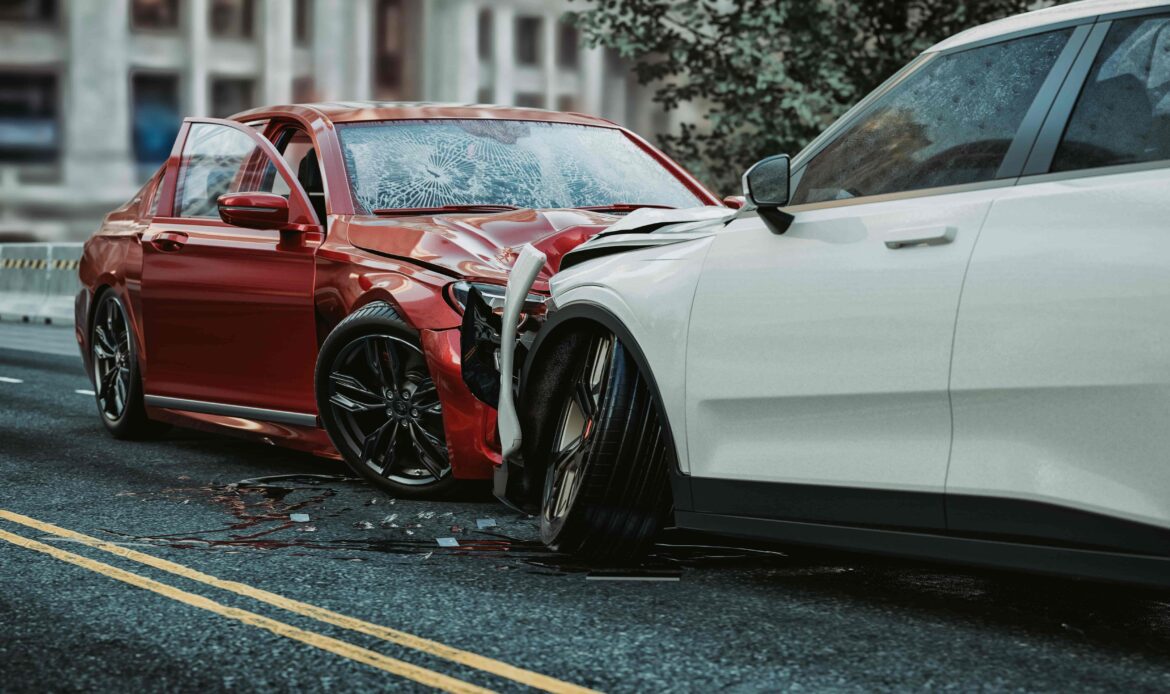
Numbers on a spreadsheet can feel distant and impersonal. They are just data points until one of them represents you, a loved one, or a neighbor. Every figure within the Austin motor vehicle accident statistics tells a human story—a commute down I-35, a trip to Zilker Park, a drive home from H-E-B that was suddenly and violently changed forever.
If you’re reading this, you might be trying to piece together your own story after a crash. The shock, the pain, and the endless questions about what to do next are completely understandable. This information is designed to offer some clarity and context during a deeply confusing time, helping you better understand the road ahead.
Key Takeaways about Austin, TX Motor Vehicle Accident Stats
- Recent national data reveals a slight decrease in motor vehicle fatalities for the second year, yet crashes still led to 44,762 deaths and 5.1 million injuries requiring medical attention.
- The total economic cost of motor vehicle collisions across the United States for that year was estimated at an immense $513.8 billion, encompassing medical care, lost wages, and administrative expenses.
- In Texas, there were 4,291 traffic-related fatalities, a number that underscores the significant risks drivers face on highways and city streets throughout the state.
- Locally, Austin reported 92 fatal accidents resulting in 97 deaths, with a concerning 50 of those incidents involving pedestrians.
- Reviewing local and national statistics provides a crucial framework for understanding road safety and the legal protections available to individuals harmed by another person’s negligence.
The Bigger Picture: A Look at National and Texas Crash Data
To fully grasp the situation here in Austin, it helps to begin with a broader perspective. According to the most recent data from the National Safety Council (NSC), motor vehicle deaths in the United States remain tragically high, with 44,762 people losing their lives in a single year. This number is a sobering reminder of the potential dangers we all face every time we get behind the wheel.
Beyond these heartbreaking fatalities, the data shows an even wider circle of impact. In that same year, an estimated 5.1 million people suffered injuries severe enough to need a doctor’s consultation. The financial shockwave from these incidents is enormous, with the total cost to the nation reaching over $513 billion. This staggering figure is not just about crumpled bumpers and auto repairs; it includes a wide range of human costs, such as:
- Medical Expenses: The costs of ambulance rides, emergency room care, hospital stays, surgery, rehabilitation, and any necessary long-term medical treatment.
- Wage and Productivity Losses: The income a person can no longer earn when they are unable to work, both in the short term and permanently, as well as the value of lost productivity for their employers and the broader economy.
- Administrative Expenses: The significant costs associated with managing insurance claims and navigating the legal aftermath of a serious collision.
These national statistics paint a stark backdrop for what we experience closer to home. Here in the Lone Star State, the roads we travel every day, from the fast-paced Mopac Expressway to the rural Hill Country highways, saw 4,291 traffic fatalities in one year, according to the Texas Department of Transportation. Each one of those numbers represents a person, a family, and a community irrevocably altered by a single, preventable moment.
Bringing the Statistics Home to Austin
While statewide numbers provide important context, the local data is what truly hits home. For those of us who drive along Lamar Boulevard or brave the congestion on Riverside Drive, the Austin accident stats are a direct reflection of our shared community experience.
In one recent year, the city of Austin recorded the following grim statistics:
- Fatal Accidents: 92
- Total Fatalities: 97
- Vehicles Involved in Fatal Accidents: 141
- Pedestrians Involved in Fatal Accidents: 50
These numbers, though smaller than the statewide totals, are deeply significant for our community. The fact that pedestrians were involved in over half of the fatal incidents is particularly alarming and highlights a critical vulnerability for anyone traveling our city on foot.
It’s a powerful reminder for both drivers and pedestrians to exercise constant vigilance, whether crossing a busy downtown intersection or walking through a quiet neighborhood. A single moment of distraction can have life-altering consequences for everyone involved.
Why Do These Accidents Happen in Austin? Understanding Common Causes
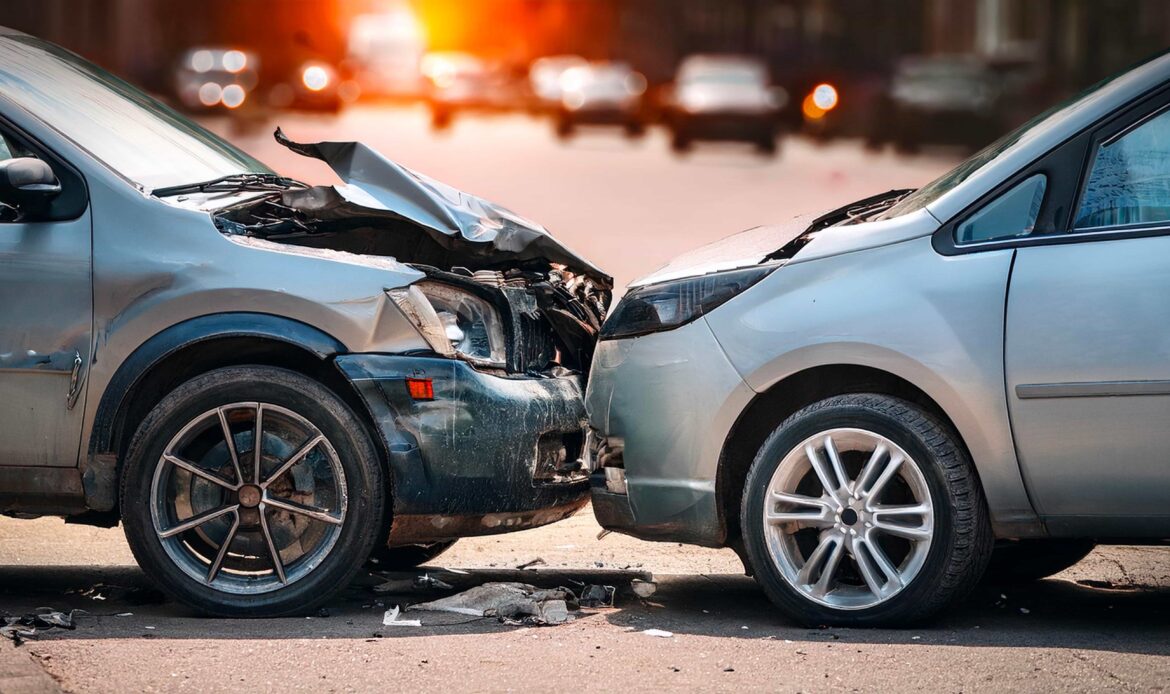
Statistics tell us what happened, but they don’t always explain why. The truth is, most motor vehicle collisions are not random “accidents” in the sense that they are unavoidable. They are often the direct result of a poor choice or a careless mistake. Understanding these common causes can help all of us become safer, more defensive drivers and stronger advocates for road safety.
Some of the most frequent factors contributing to crashes in and around Austin include:
- Distracted Driving: This has become one of the leading causes of crashes nationwide and is a major problem on Austin’s busy roads. Distractions go far beyond texting; they include programming a GPS, adjusting the music, talking with passengers, eating, or anything that pulls a driver’s focus from the vital task of operating their vehicle safely. Texas law prohibits drivers from reading, writing, or sending electronic messages while driving.
- Speeding and Aggressive Driving: Exceeding the speed limit, tailgating, weaving through traffic, and making unsafe lane changes drastically reduce a driver’s ability to react to sudden hazards. On congested highways like I-35, this type of behavior dramatically increases the risk and severity of a collision. Adhering to posted speed limits is one of the most effective ways to prevent serious injuries.
- Driving While Intoxicated (DWI): While the data for Austin reported zero fatal crashes involving drunk drivers, driving while impaired by alcohol or drugs remains a primary cause of catastrophic injuries and deaths across Texas. Impaired driving slows reaction time, clouds judgment, and turns a vehicle into an unpredictable weapon.
- Driver Fatigue: Drowsy driving can be just as hazardous as drunk driving. A driver who is exhausted has slower reflexes, impaired decision-making, and may even fall asleep at the wheel. The demanding pace of modern life means many drivers are on the road without adequate rest, posing a danger to themselves and everyone around them.
Recognizing that these crashes are frequently caused by negligence—a legal term that simply means someone failed to act with reasonable care to keep others safe—is the first step toward understanding your rights. When another person’s carelessness causes you harm, the law provides a pathway to hold them accountable.
What to Do After an Austin Car Wreck
In the immediate aftermath of a car wreck, there’s a flurry of activity with police, paramedics, and the exchange of information. But the real journey of recovery often begins once you get home. The physical pain starts to set in, the emotional stress mounts, and the phone might start ringing with calls from insurance companies. It can feel completely overwhelming. Here are a few practical steps to consider as you begin to navigate this difficult process.
- Prioritize Your Health and Well-being: Your physical and emotional recovery is the most important thing. If you were advised to see a doctor or go to the hospital, do not delay. Make sure to attend all follow-up appointments, physical therapy sessions, and specialist visits. Some serious injuries, like concussions or internal damage, may not present symptoms immediately, so getting a comprehensive medical evaluation is crucial.
- Document and Organize Everything: Start a dedicated folder or file to keep all crash-related documents in one place. This should include the police report number, medical bills and records, receipts for prescriptions and other out-of-pocket expenses, and copies of any letters or emails from insurance companies. It can also be very helpful to keep a simple daily journal to track your pain levels, physical limitations, and how the injuries are impacting your ability to work, sleep, and enjoy life.
- Be Cautious with Insurance Adjusters: You will likely get a call from the other driver’s insurance adjuster very soon after the crash. It is vital to remember that their primary goal is to protect their company’s bottom line, which usually means paying out as little as possible on your claim. You are not required to give them a recorded statement, especially before you fully understand the extent of your injuries and your legal rights. It is often wise to seek guidance before engaging in a detailed conversation with them.
Taking these organized steps can help you regain a sense of control during a chaotic time and protect your ability to seek fair compensation for all of your injuries and losses.
The Real Financial Cost of a Collision
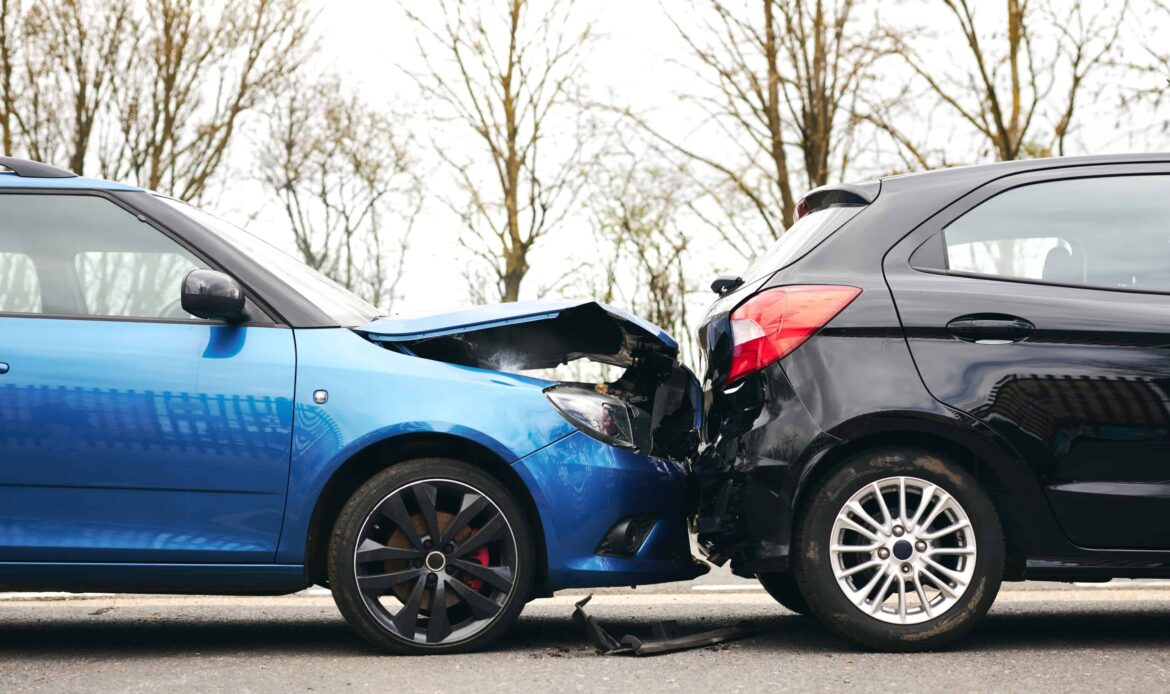
That $513.8 billion national cost figure is almost impossible to imagine, but when you are the one who has been injured, those costs become painfully real. The financial strain can be one of the most stressful aspects of recovering from a collision, adding a heavy burden on top of your physical pain. It’s not just about the immediate medical bills; the long-term consequences can be financially devastating.
In a personal injury claim, the compensation you seek is intended to cover these harms and losses, which the legal system refers to as “damages.” These damages are typically broken down into two main categories:
- Economic Damages: These are the tangible, calculable financial losses that have resulted from the accident. They cover things like all past and future medical treatment, lost wages from being unable to work, diminished earning capacity if you cannot return to your previous job, and the cost to repair or replace your damaged vehicle.
- Non-Economic Damages: These are the intangible losses that don’t come with a neat price tag but are just as real and damaging. This category is meant to provide compensation for physical pain and suffering, emotional distress, mental anguish, scarring or disfigurement, and the loss of your ability to enjoy life’s activities.
Texas operates under an “at-fault” system, which means the person or party found legally responsible for causing the crash is also responsible for paying for the resulting damages. This is why every driver in the state is required to carry liability insurance. However, navigating the claims process to get the insurance company to provide fair compensation can feel like an uphill battle, especially when you are focused on healing.
Building a Safer Future on Austin’s Roads
Looking at the accident statistics and broader safety trends, it’s evident that while progress has been made, there is still a tremendous amount of work to do. Advances in vehicle safety technology, like automatic emergency braking, blind-spot detection, and lane-keeping assist, offer great hope for a safer future on our roads. At the same time, public awareness campaigns about the dangers of distracted and impaired driving continue to play an essential role.
As a community, we can all contribute to making our streets safer by committing to responsible driving habits. That means putting the phone down, obeying traffic laws, and never, ever driving under the influence. Here in Austin, the city has adopted the Vision Zero action plan, with the goal of eliminating traffic fatalities and serious injuries.
When we share the road, whether in a car, on a motorcycle, on a bike, or on foot, we share a collective responsibility to look out for one another. But when another person’s failure to uphold that duty causes harm, our legal system provides a clear path to hold them accountable for their actions.
Austin, TX Motor Vehicle Accident FAQs
Here are some answers to common questions that people often have after being involved in a car crash in Travis County.
What happens if I am found to be partially at fault for the accident in Texas?]
Texas follows a “modified comparative fault” rule with a 51% bar. This means you can still recover damages as long as you are not found to be 51% or more at fault for the crash. If you are found partially at fault (for example, 20% at fault), your total compensation award would be reduced by your percentage of fault.
What is Personal Injury Protection (PIP) and do I need it in Texas?
Personal Injury Protection, or PIP, is a type of insurance coverage that helps pay for your medical bills and lost wages after an accident, regardless of who was at fault. Texas law requires insurance companies to offer PIP coverage, and you must reject it in writing if you do not want it. It can be very valuable for covering immediate expenses while a larger claim is pending.
How is the total value of a car accident claim determined?
There is no simple formula. The value of a claim is based on a wide range of factors unique to your case. These include the severity and permanence of your injuries, the total amount of your medical bills (past and future), the amount of income you have lost, the impact on your quality of life, and the strength of the evidence proving the other party’s negligence.
Slingshot Law – Injury Attorneys: Let Us Handle the Fight.

The statistics and legal rules are concerning, but at Slingshot Law – Injury Attorneys, we know that behind every number is a person whose life has been thrown into chaos. You are dealing with physical pain, financial stress, and deep uncertainty about what your future holds. You should not have to wage a complex legal battle against a giant insurance company at the same time.
Our firm was built on the belief that every person deserves a fair fight, no matter how big the opponent. We want to be the slingshot in your battle against Goliath. If you have been injured in a motor vehicle accident in Austin or Grand Junction, you do not have to go through this alone. We are here to listen, answer your questions, and provide clear guidance on your legal options.
Contact Slingshot Law – Injury Attorneys today at (800) 488-7840 or through our online form for a free, no-obligation case review. Let us help you get back on your feet while we handle the fight.