

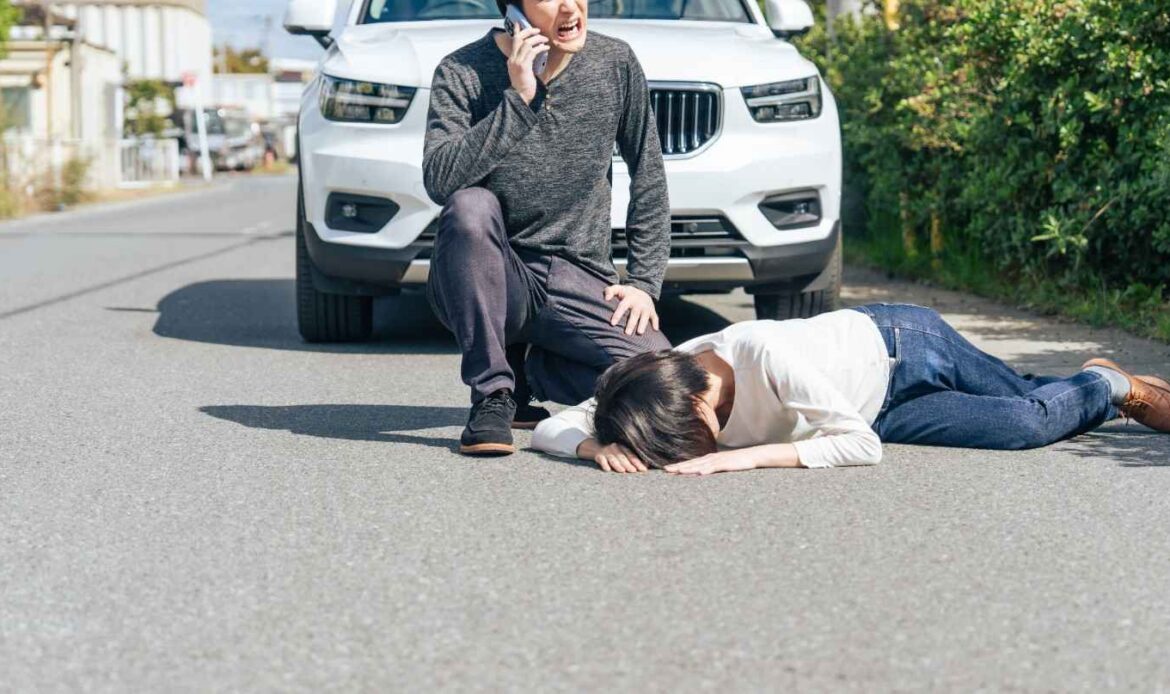
Pedestrian accidents often occur because of driver negligence, speeding, distraction, failure to yield, and unsafe roadway conditions. However, when a collision happens, injured pedestrians frequently face severe physical injuries, emotional trauma, and financial strain.
Even if you believe you are partly to blame for the accident, you still have the right to pursue compensation for your losses. Insurance companies often attempt to shift blame onto pedestrians to reduce or deny payouts.
Our pedestrian accident lawyers inAustin, TX at Slingshot Law Injury Attorneys understand these tactics and know how to protect your rights. We conduct a thorough investigation, challenge unfair allegations, and gather the evidence needed to demonstrate the driver’s negligence.
Pedestrian Accidents: Key Takeaways
- Pedestrians can share fault, but drivers still carry a heightened duty of care.
- Strong evidence, such as video footage, crash reports, and witness statements, can prove you were not at fault in a pedestrian accident.
- Compensation for pedestrian accidents typically covers medical expenses, lost income, emotional distress, pain and suffering, reduced quality of life, and long-term effects.
- Hire a pedestrian accident lawyer when severe injuries, disputed liability, unclear losses, or insurers shifting blame or acting in bad faith arise.
- Call a pedestrian accident attorney to protect you from being blamed for the crash.
Can a Pedestrian Be at Fault?
Yes, pedestrians can potentially share fault in an accident, but this doesn’t automatically diminish a driver’s responsibility. Traffic laws exist to protect vulnerable road users, and drivers have a heightened duty of care when operating vehicles near pedestrians.
Even when a pedestrian contributes to an accident, drivers may still bear significant or primary liability.

Most jurisdictions enforce shared liability rules, apportioning compensation according to each party’s degree of fault. A pedestrian jaywalking doesn’t give drivers the freedom to strike them. A motorist must remain vigilant and take reasonable precautions to avoid collisions, regardless of the pedestrian’s behavior.
Here are the parties who may be liable for a pedestrian accident:
The Driver
Drivers bear the greatest responsibility in pedestrian accidents. They control dangerous machinery capable of causing catastrophic harm and must exercise reasonable care at all times.
Common driver violations that cause crashes include:
- Failure to yield at crosswalks
- Distracted driving
- Speeding
- Driving under the influence
- Running red lights
- Making unsafe turns.
Even when pedestrians act unpredictably, drivers must maintain awareness and adjust their driving to road conditions and pedestrian activity.
Property Owners
Property owners may be liable for pedestrian accidents that result from dangerous conditions on their premises. Poorly maintained sidewalks, inadequate lighting, overgrown vegetation blocking sightlines, or failure to clear ice and snow can create hazards.
If these conditions force pedestrians into traffic or obscure them from drivers’ view, property owners may share responsibility for resulting injuries.
Employer Liability
When a driver causes a pedestrian accident while performing job duties, their employer may be liable under the respondeat superior doctrine. Employer liability applies to delivery drivers, truckers, taxi operators, and other commercial drivers.
Employers can also face direct liability for negligent hiring, inadequate training, or failing to maintain vehicles.
Government Entities
Municipalities and government agencies responsible for road design and maintenance can be liable for accidents caused by infrastructure defects. Faded crosswalk markings, malfunctioning traffic signals, missing signage, dangerous road designs, inadequate lighting, and poorly timed pedestrian crossing signals all contribute to accidents.
Government liability cases involve specific notice requirements and shorter deadlines for filing.
How to Prove You Were Not at Fault in an Accident
Proving that you were not at fault or that your share of fault is much lower than the insurer’s claim protects your legal rights. Insurance companies often argue that the pedestrian acted carelessly, crossed improperly, or failed to pay attention.
A pedestrian accident attorney can counter these arguments by gathering strong evidence that clearly shows the driver’s negligent actions caused the collision. Here are different types of evidence a pedestrian accident lawyer can use to prove fault:
Police Crash Reports
A police crash report often contains the responding officer’s observations, statements from parties involved, and any citations issued. A pedestrian accident attorney can review the report to highlight details indicating the driver’s negligence, such as distracted driving or failure to yield.
If the officer cited the driver, a pedestrian accident attorney can use that citation to strengthen your claim and undermine attempts to blame you for the crash.
Traffic Camera and Surveillance Footage
Footage from traffic lights, nearby businesses, residences, or dash cameras can provide a clear recording of how the accident happened. A pedestrian accident attorney can obtain and analyze these videos to demonstrate that you were crossing legally, that the driver failed to stop, or that the vehicle entered the crosswalk unsafely.
Eyewitness Statements
Bystanders, motorists, or nearby pedestrians often see details that can clarify fault. A pedestrian accident lawyer can interview these witnesses to confirm your actions and to document any negligent behaviors by the driver.
For example, a witness might confirm the driver was texting or speeding before entering the intersection. Consistent eyewitness accounts can reduce or eliminate claims of shared fault.
Accident Reconstruction Analysis
Accident reconstruction professionals examine skid marks, impact points, vehicle damage, and stopping distances to recreate how the collision occurred. A pedestrian accident attorney can use these professional reports to show that the driver had ample time to brake, was traveling too fast, or failed to respond appropriately.
Vehicle Black Box Data
Many vehicles record essential driving information in event data recorders, including speed, braking, and acceleration just before impact. A pedestrian accident attorney can secure the data to show whether the driver ever attempted to slow down or was operating the vehicle recklessly.
If the black box shows no braking, it helps prove that the driver, not the pedestrian, was at fault for the collision.
Cell Phone Records
Distracted driving is a leading cause of pedestrian accidents. If phone use is suspected, a pedestrian accident lawyer may request the driver’s phone records to determine whether they were texting, calling, or using apps at the time of the crash.
Demonstrating active phone use helps shift liability from the pedestrian to the driver.
Scene Photographs and Physical Evidence
Photographs of the roadway, crosswalk markings, traffic signs, and vehicle positions can prove fault in the crash. A pedestrian accident attorney can use these images to demonstrate poor visibility, improper lane positioning by the driver, or unsafe turning maneuvers.
For example, images documenting your position in a marked crosswalk can weaken any argument that you were at fault for the accident.
Medical Records
Medical records establish the severity, angle, and nature of your injuries. A pedestrian accident attorney can use these details to match impact mechanics with reconstruction findings. For instance, injuries to one side of your body may show you were already well within the crosswalk when struck, disproving claims that you suddenly entered traffic.
Compensation for Pedestrian Hit by Car
You can initiate a pedestrian claim or lawsuit to obtain compensation for your losses. Compensation supports your recovery and helps you manage your losses. Some of the damages you can receive in a pedestrian accident claim include:
Medical Expenses
Medical costs typically make up the largest portion of a pedestrian accident claim, especially when injuries require long-term care. Compensation may include both current and future medical expenses, such as:
- Emergency room treatment
- Hospitalization and surgical procedures
- Diagnostic tests such as X-rays, MRIs, and CT scans
- Prescription medications
- Physical and occupational therapy
- Assistive medical devices like crutches, braces, or wheelchairs
- Specialist visits and follow-up appointments
- Long-term rehabilitation or in-home care
A pedestrian accident lawyer can document these expenses using medical records and treatment summaries to support your claim. They can also use professional testimony to demonstrate the cost and necessity of both past and future care.
Lost Income
If your injuries prevent you from working, you may recover compensation for earnings lost during your recovery. A pedestrian accident attorney can use several types of evidence to prove lost income, including:
- Pay stubs
- Tax returns
- Employer income verification letters
- Work schedule records
- Bank statements showing direct deposits
- Professional testimony on reduced earning capacity
- Attendance and timesheet reports
They can use the above evidence to establish past lost income, as well as future earning potential, if your injuries affect your long-term ability to work.
Out-of-Pocket Expenses
Pedestrian accident victims often incur numerous additional costs while recovering. These expenses may include transportation to medical appointments, home modifications, medical supplies, childcare, and temporary household assistance.
A pedestrian accident lawyer gathers receipts, invoices, and financial records to include all out-of-pocket losses in your total compensation.
Pain and Suffering
Pain and suffering compensate victims for the physical pain, trauma, discomfort, and long-term limitations caused by their injuries. A pedestrian accident lawyer can use medical documentation, professional evaluations, and personal statements to quantify these non-economic damages.
Emotional Anguish
Emotional anguish includes psychological conditions resulting from the accident. For example, a pedestrian struck by a speeding vehicle while crossing legally may develop post-traumatic stress disorder (PTSD), triggered by the crash trauma or fear of crossing streets afterward.
A pedestrian accident lawyer can use psychological evaluations, therapist records, and professional testimony to show how the crash caused these emotional injuries.
Loss of Enjoyment of Life
Loss of enjoyment of life applies when your injuries limit your ability to participate in activities you once enjoyed. The limitations can take various forms, including inability to walk, exercise, socialize, or participate in hobbies.
A pedestrian accident lawyer can use personal statements, family testimony, and medical records to show how the accident reduced your quality of life.
Loss of Consortium
Loss of consortium compensates spouses and family members for the emotional, relational, and practical losses caused by your injuries. A pedestrian accident lawyer can use the following evidence to prove these losses:
- Testimony from spouses or partners
- Psychological evaluations
- Medical records showing the severity of injuries
- Documentation of lifestyle changes
- Statements from family members or close friends
- Professional opinions on relational or household impacts
Permanent Disability or Disfigurement
Victims with permanent disabilities, amputations, scarring, or disfigurement may obtain additional compensation. For example, permanent disability can entitle them to compensation for diminished earning capacity.
A pedestrian accident lawyer can work with medical professionals to demonstrate how these injuries will affect your future mobility, work capability, social life, and emotional well-being. They can also use photographs, medical reports, and vocational assessments to strengthen the claim.
Punitive Damages
A judge can award you punitive damages in cases where the driver’s conduct was especially reckless or dangerous, such as drunk driving or street racing. A pedestrian accident attorney enhances your chances of receiving punitive damages by gathering evidence that highlights the severity of the driver’s actions.

Do Not Face Insurers Alone After a Pedestrian Accident
You may endure financial strain after sustaining an injury in a pedestrian accident. For example, a leg fracture can keep you out of work for months, hindering your ability to provide for your family.
Our personal injury lawyers in Austin, TX, at Slingshot Law Injury Attorneys have a proven track record of representing injured victims. You can, therefore, count on us to fight for your right to fair and just compensation.
Contact us for a free case review.
Pedestrian Accident Liability: FAQs
What Happens if You Hit a Pedestrian while Jaywalking?
Even if a pedestrian was jaywalking, they retain the right to compensation. Shared liability laws allow recovery if the driver caused the crash through speeding, distraction, or failing to exercise reasonable care.
Jaywalking doesn’t automatically bar your right to compensation. An investigation can reveal that driver negligence contributed to the collision.
When Should I Hire a Lawyer?
You should hire a pedestrian accident lawyer when you suffer a severe injury, face disputed liability, or are unsure about the full extent of your losses. You can also engage a lawyer when you encounter bad-faith tactics from insurers attempting to delay, deny, or undervalue your claim.
Why Is My Lawyer Taking So Long to Settle My Case?
Settlement delays occur when medical treatment is ongoing, liability remains disputed, insurance companies stall negotiations, or documentation is incomplete. A pedestrian accident lawyer can protect you by not settling prematurely, which can undervalue your claim and leave you undercompensated.