


Most drivers in Austin have never been taught what to do after a car accident in Texas, so the minutes right after a crash tend to feel like a blur. That confusion is normal, and it is also where a lot of avoidable mistakes happen.
The choices you make in the first hour, whether you call the police, how you talk to the other driver, when you see a doctor, shape how the rest of the claim goes. What follows is the order to take them in, whether the crash happened on MoPac, I-35, or a quiet street in South Austin.
Key Takeaways
- Move to safety and call for medical help before anything else.
- Texas requires a driver to notify police immediately when a crash causes injury, death, or leaves a vehicle that cannot be safely driven.
- Photos, witness names, and insurance details are far easier to collect at the scene than afterward.
- A prompt doctor visit creates a medical record connecting the injuries to the crash date.
- Texas generally allows two years to file a personal injury lawsuit, though exceptions can shorten that window.
- What a claimant says to an adjuster in the first days can affect the value of the claim later.
Get to a Safe Spot First
If your car is drivable and the crash is minor, move it to the shoulder or a nearby parking lot. Austin traffic on roads like MoPac and 183 moves fast, and a car stopped in a live lane creates a second collision risk. Turn on your hazards, check yourself and your passengers for injuries, and stay out of traffic while you wait for help.
If anyone is hurt or a vehicle cannot be moved safely, leave it where it is and call 911. Getting people away from moving traffic matters more than preserving the exact position of the vehicles. Once everyone is out of harm’s way, take a breath before you start dealing with anything else.
Should You Call the Police After a Car Accident in Texas?
Yes, and in some situations the law requires it. Under Texas Transportation Code Section 550.026, a driver must immediately notify police by the quickest means available when a crash causes injury or death, or leaves a vehicle unable to be driven normally and safely. There is no dollar threshold in that duty.
The $1,000 figure people remember comes from a different provision. Section 550.062 requires the investigating officer to file a report with the Texas Department of Transportation within 10 days when a crash causes injury, death, or more than $1,000 in property damage. That obligation belongs to the officer, not to you.
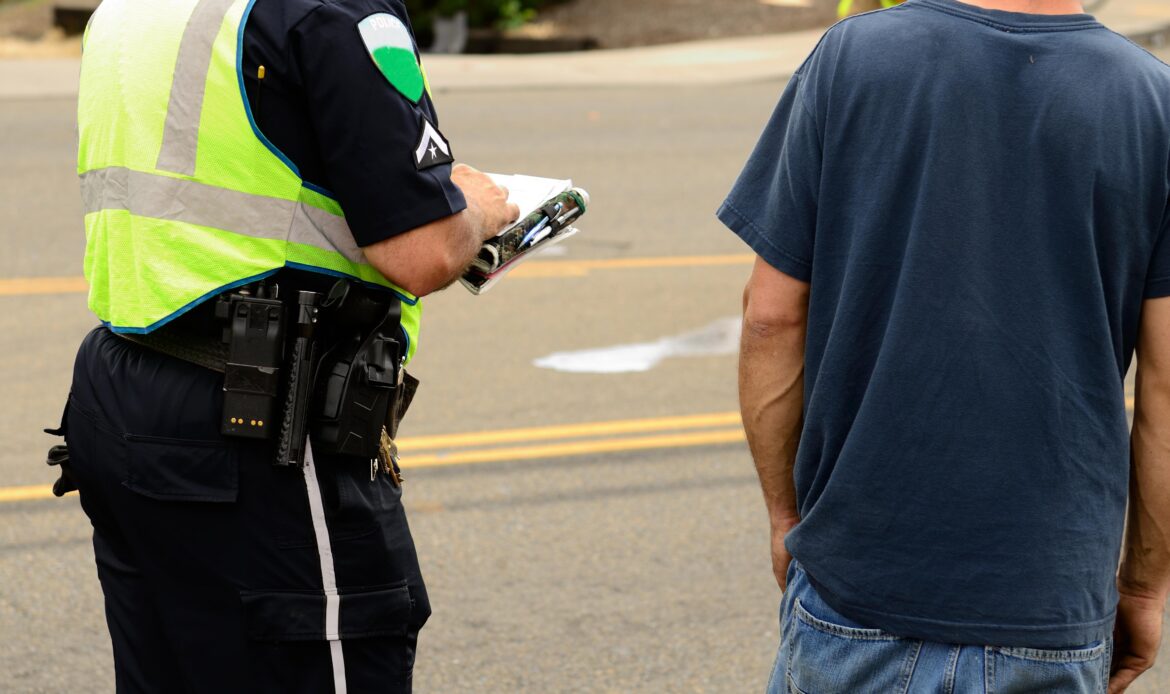
Either way, calling gets someone to the scene who can document the crash, separate the drivers, and start the official record.
Even for a low-speed parking lot bump, a report can still help later if injuries or disagreements about fault show up after the fact. Skipping the call because “it’s not that bad” is one of the more common regrets people mention once an insurance dispute starts.
What Should You Photograph at the Scene?
Your phone is the most useful tool you have at the scene. Take pictures of both vehicles from several angles, close-up shots of the damage, the license plates, the road surface, skid marks, and any traffic signs or signals nearby. If the weather or lighting played a role, capture that too.
Look around for anyone who saw the crash happen. Witnesses tend to leave quickly, so a name and phone number written down on the spot is worth far more than a promise to look them up later.
Write a few notes while it is still fresh, because details fade faster than people expect. Voice memos work too. Speaking a quick timeline into your phone, what you saw, what you heard, which direction the other car came from, captures things you would not think to write down.
Exchange Information the Right Way
Trade the basics with the other driver: name, phone number, insurance company, policy number, and license plate. Write down the make, model, and color of their vehicle too, since insurance claims sometimes stall over mismatched details.
Keep the conversation short and factual. This is not the moment to guess out loud about who caused the crash or to apologize reflexively, since Texans often say “sorry” out of habit even when they did nothing wrong. Save the full explanation for the police report and your own notes.
Do You Need a Doctor If You Feel Fine?

Yes, and sooner is better than later. A same-day or next-day visit to an urgent care clinic or your own doctor creates a record tying the visit to the crash date, which matters a great deal if you end up filing a claim.
The record is the point. Without one, there is a gap between the crash and the first documented complaint, and that gap is the first thing an adjuster reaches for.
Waiting a week to get checked out gives an insurance adjuster an easy argument that something else caused your pain. Treat the appointment as part of the accident response, not an optional step for later.
Why Austin’s Roads Add Their Own Complications
Some Austin crashes are complicated by the road itself. MoPac’s express lanes catch out-of-town drivers off guard, and construction near the Domain and East Riverside shifts lane patterns without much warning.
Add a sudden thunderstorm on dry pavement and fault is rarely as simple as “the other driver ran the light.”
That complexity is exactly why documentation matters so much here. A photo showing an unmarked construction barrier or a lane that had just been repainted can change how an insurance adjuster reads the crash. Local knowledge of these patterns, not just the paperwork, often shapes how a claim gets resolved.
What Happens When You Start Dealing With the Insurance Company
The other driver’s insurer will likely call within a day or two, often sounding friendly and eager to “wrap things up quickly.” That pace usually works in their favor, not yours, since injuries and repair costs are hard to know for certain right after a crash.
Give basic facts: date, location, and vehicles involved. Avoid recorded statements, speculation about fault, or agreeing to a settlement figure before you understand the full extent of your injuries. Dealing with the insurance company gets easier once you have your medical records, repair estimates, and the police report in hand, since those documents back up what you’re telling them.
How Long Do You Have to File a Claim in Texas?
Civil Practice and Remedies Code Section 16.003 sets the deadline at two years from the date of the crash for most personal injury cases. Miss that window and a court will almost certainly dismiss the case, no matter how strong the evidence is.
Exceptions can shorten or pause that clock depending on the circumstances. A claim against a government entity is the one to watch, because notice deadlines there run in months rather than years.
Texas also follows a comparative responsibility rule under Civil Practice and Remedies Code Section 33.001, meaning you can still recover damages if you were partly at fault, as long as your share of the blame is 50 percent or less.
Common Mistakes That Hurt a Texas Car Accident Claim
A few patterns show up again and again in claims that go sideways:
- Not calling the police because the damage looks minor.
- Posting about the crash or your injuries on social media.
- Accepting a quick settlement offer before finishing medical treatment.
- Giving a recorded statement to the other driver’s insurer without thinking it through.
- Letting weeks pass before seeing a doctor.
Any one of these can give an insurance company a reason to argue your injuries are less serious than they are, so it helps to know the pattern before you’re in the middle of it. None of these mistakes are unusual or embarrassing. They happen because people are stressed, in pain, or simply trying to move past a bad day, and insurers know that.
When Should You Talk to an Attorney?
Not every fender bender needs legal help, but a crash involving injuries, a disputed police report, a commercial vehicle, or a stubborn insurance adjuster usually does. An Austin car accident attorney can request the full crash report and handle the back and forth with the insurance company while you focus on recovering.
FAQs: What to Do After a Car Accident in Texas
Here are a few questions people ask about what to do after a wreck once the initial shock wears off.
What if the other driver doesn’t have insurance?
Your own policy is usually what pays. Uninsured and underinsured motorist coverage covers medical bills and vehicle repairs when the at-fault driver has no coverage or not enough of it, and Texas insurers must offer it unless you rejected it in writing.
Do I need a police report to file an insurance claim?
Most insurers ask for one, and it strengthens a claim considerably. Some companies will still process a claim without a report, but the process tends to move more slowly and involve more back-and-forth about what actually happened.
What if the crash happened in a parking lot?
Parking lot crashes still count as accidents under Texas law, and the same documentation steps apply. Fault can be less obvious in tight spaces, so photos of the lanes, signage, and vehicle positions matter even more than usual.
What if a commercial truck was involved on I-35 or MoPac?
Crashes involving commercial trucks often bring in additional insurance policies, black box data, and company safety records. These cases tend to move differently than a typical car-on-car crash, and evidence can disappear quickly if it isn’t requested early, since some of it lives on equipment the trucking company controls.
How long does an insurance company have to respond to my claim?
It depends whose insurer it is. Prompt-payment deadlines under the Texas Insurance Code run to your own carrier, not to the other driver’s liability insurer, which is why a third-party claim can sit for weeks without the insurer breaking any rule.
How much does it cost to talk to Slingshot Law about a crash?
A first conversation about your car accident costs nothing, and there’s no obligation to move forward afterward. It’s simply a chance to ask questions and understand where you stand.
Talk to Slingshot Law About Your Austin Car Accident
 If you’re still sorting out what happened, or an insurance adjuster is already pushing for answers, an Austin car accident lawyer at Slingshot Law can look at the details and tell you where you stand.
Bring your photos, your medical paperwork, and whatever the insurance company has already sent you, and we’ll go through it together. Call (800) 488-7840 to talk through your situation, no pressure, no scripts.
**This is for informational purposes only and is not legal advice.