Texas comparative negligence can decide whether an injured person receives compensation or walks away with nothing. That feels especially unfair when you were badly hurt, but the insurance company is already trying to put part of the blame on you.
Slingshot Law Injury Attorneys helps injured Texans push back against unfair fault arguments after car crashes, truck wrecks, pedestrian accidents, motorcycle crashes, unsafe property injuries, and other serious accidents. When an insurer says you were partly at fault, the answer should come from evidence, not pressure.
Can you recover if you were partly at fault in Texas?
Yes, you may still recover compensation in Texas if you were partly at fault, but you are barred from recovery if your share of responsibility is greater than 50 percent.
Fault Lines That Can Shape Your Texas Injury Claim
- Texas comparative negligence is commonly used to describe the rule, but Texas law calls the system proportionate responsibility.
- The 51 percent bar rule Texas follows can prevent recovery if you are found more than 50 percent responsible.
- If you are 50 percent or less at fault, your damages may be reduced by your percentage of responsibility.
- Insurance companies may use shared fault arguments to lower settlement value before the facts are fully developed.
- Evidence such as video, witness statements, crash data, photos, records, and timing can change how fault is assigned.
How Texas Comparative Negligence Works
Texas comparative negligence allows an injured person to recover compensation when they share some blame, as long as their percentage of responsibility is not greater than 50 percent. If recovery is allowed, the amount is reduced by the injured person’s assigned percentage of fault.
Texas Uses Proportionate Responsibility
Texas comparative negligence is the common search term, but the statutory term is proportionate responsibility. Under Texas Civil Practice and Remedies Code Chapter 33, a claimant cannot recover damages if their percentage of responsibility is greater than 50 percent.
If the claimant is 50 percent or less responsible, the recovery is reduced by that percentage. A person found 20 percent responsible may still recover 80 percent of proven damages. A person found 51 percent responsible recovers nothing.
The 51 Percent Bar Rule Texas Uses
The 51 percent bar rule Texas uses means one percentage point can change the entire case. At 50 percent fault, the injured person may still recover reduced damages. At 51 percent fault, recovery is barred.
That rule gives insurers a clear target. If they can move enough blame onto you, they may try to reduce the claim sharply or deny it outright. Fault should be investigated before any recorded statement, settlement, or release is accepted.
How Fault Percentages Change Recovery
Fault percentages affect both eligibility and value. A small percentage can reduce the final recovery. A percentage above 50 can prevent recovery altogether.
| Total Damages | Fault Assigned to You | Possible Recovery |
| $100,000 | 0 percent | $100,000 |
| $100,000 | 20 percent | $80,000 |
| $100,000 | 50 percent | $50,000 |
| $100,000 | 51 percent | $0 |
The math is simple. The fight is usually over the evidence behind the number.
Shared Fault Car Accident Claims in Texas

Shared fault car accident claims in Texas often turn on driver conduct, timing, road position, speed, visibility, and whether each driver used reasonable care. The insurer may blame you for part of the crash even when the other driver caused the main danger.
Common Shared Fault Arguments After a Crash
Insurance companies often use familiar blame arguments after a car accident. They may say you were:
- Speeding before the crash
- Following too closely
- Distracted by a phone or passenger
- Changing lanes unsafely
- Failing to yield
- Stopping too suddenly
- Not wearing a seat belt, when the insurer claims it increased the injuries
- Driving too fast for weather or traffic
- Ignoring a sign, light, or lane marking
Some arguments may matter. Others may be exaggerated. The difference comes from evidence.
Rear-End Accidents and Shared Fault
Rear-end accidents are not always treated the same way. The rear driver is often blamed, but the front driver may still face questions if they stopped suddenly, had broken brake lights, cut into traffic, or acted unpredictably.
That does not mean the front driver is automatically responsible. It means the crash needs a careful review instead of a shortcut. Vehicle damage, brake-light evidence, dashcam footage, witness accounts, and traffic conditions may all matter.
Intersection and Left-Turn Crashes
Intersection and left-turn crashes can create serious fault disputes because several drivers may claim they had the right of way. One person may say the light was green. Another may say the other driver sped up, ran the light, or turned without enough space.
Evidence may include signal timing, nearby video, vehicle resting positions, damage patterns, witness statements, and phone records. A traffic citation can help, but it does not always decide the civil claim.
Pedestrian, Bicycle, and Motorcycle Claims
Pedestrian, bicycle, and motorcycle claims often involve unfair assumptions. The insurer may blame the injured person for being hard to see, moving too quickly, riding in the wrong place, or failing to avoid the crash.
Those claims deserve scrutiny. Drivers still have duties to watch the road, control speed, yield when required, and avoid distraction. Visibility, lighting, lane position, traffic controls, and driver reaction time can all affect fault.
Evidence That Can Challenge an Unfair Fault Percentage
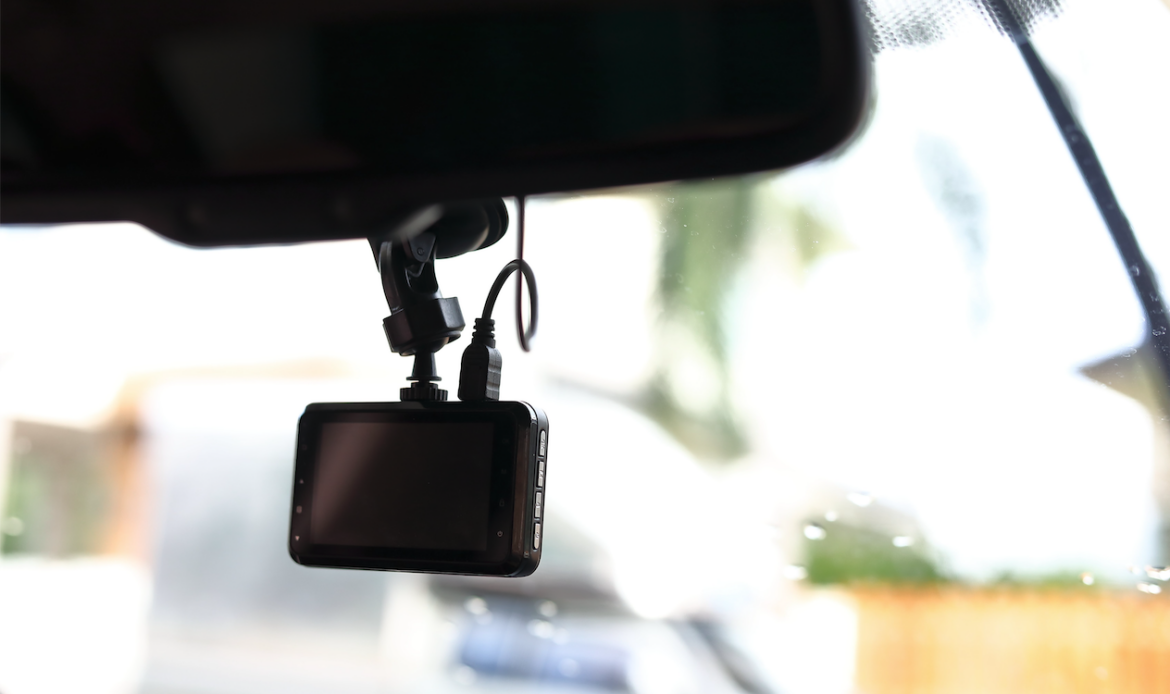
Evidence can challenge an unfair fault percentage by showing what happened before, during, and after the accident. The stronger the proof, the harder it is for the insurer to rely on guesses, stereotypes, or selective facts.
Photos, Video, and Scene Evidence
Photos, video, and scene evidence can show vehicle positions, property conditions, hazards, traffic controls, damage, lighting, skid marks, debris, weather, and sight lines. These details can support or challenge the fault story.
Video is often time-sensitive. Businesses, homes, dashcams, rideshare vehicles, and traffic cameras may have footage that is erased or overwritten quickly.
Witness Statements and Reports
Witness statements and reports can help when the parties disagree. A neutral witness may remember speed, traffic lights, lane position, warnings, phone use, weather, or what each person said after the incident.
Police reports, incident reports, workplace reports, and property reports may also provide useful details. They should be reviewed carefully because they can be incomplete or based on limited information.
Medical Records and Injury Timing
Medical records and injury timing can support the connection between the accident and the harm. If the insurer accepts some fault but disputes the injury, the damages claim may still be attacked.
Treatment records, bills, work restrictions, follow-up notes, and daily-life documentation help show how the accident affected you. Fault and damages are separate disputes, and both need support.
Company, Property, or Policy Records
Company, property, or policy records can matter when the accident involved a business, commercial vehicle, apartment complex, store, construction site, trucking company, delivery driver, or employer.
These records may show safety failures, maintenance problems, training gaps, prior complaints, inspection failures, or company rules that were ignored. They may also identify additional parties or insurance coverage.
How Texas Comparative Negligence Affects Settlement Offers
Texas comparative negligence affects settlement offers because insurers use fault percentages to lower what they pay. A claim with disputed fault may be undervalued even when the injury is serious.
Early Offers May Build in Too Much Blame
Early offers may build in too much blame before the evidence is complete. An adjuster may reduce the offer based on an assumed percentage of fault, then pressure you to resolve the claim quickly.
That can be risky. If later evidence shows the other party was more responsible than the insurer claimed, the early offer may not reflect the real value of the case.
Recorded Statements Can Affect Fault
Recorded statements can affect fault because adjusters may ask questions designed to create blame. A casual answer about speed, timing, distance, pain, or attention may be used later to reduce the claim.
A statement given too early can leave out details you did not yet know. You may not have seen the full crash report, video, medical records, or witness information.
Settlement Releases Usually End the Claim
Settlement releases usually end the claim. Once a release is signed, it is difficult to reopen the case because the fault split, injuries, or medical costs turned out to be different than expected.
Before signing, the claim should account for fault evidence, medical bills, future care, lost income, policy limits, and any long-term effects. The fault percentage should be tested, not accepted by default.
What Deadlines Apply If Fault Is Disputed in Texas?
Fault disputes do not pause the legal deadline. Many Texas personal injury lawsuits must be filed within two years under the Texas personal injury limitations statute, although specific facts can change the timing analysis.
The Filing Deadline Still Runs During Negotiations
The filing deadline still runs during insurance negotiations. A claim can be discussed for months, but the legal deadline may still arrive if the case is not resolved or filed in time.
Some claims may involve shorter notice rules, government defendants, minors, delayed discovery issues, or other timing questions. Claims involving a governmental unit may involve notice rules separate from the ordinary filing deadline. Under the Texas Tort Claims Act, a governmental unit is generally entitled to notice within six months after the incident, and some city charter or ordinance provisions may require shorter notice.
Evidence Can Disappear Before the Deadline
Evidence can disappear before the deadline. Video may be erased, witnesses may move, vehicles may be repaired, jobsite conditions may change, and property hazards may be corrected.
A fault dispute is easier to fight when evidence is preserved early. Waiting can leave the insurer’s version as the only organized version in the file.
A Lawsuit May Be Needed to Get Certain Records
A lawsuit may be needed to obtain certain records if a person, business, property owner, trucking company, or insurer refuses to cooperate. Phone records, company documents, video, inspection logs, and policy records may require formal legal tools.
Filing a lawsuit does not mean the case will definitely go to trial. It can be the path needed to get the evidence that decides fault.
Texas Comparative Negligence Questions Answered by Our Texas Attorneys
What is the 51 percent bar rule in Texas?
The 51 percent bar rule means you cannot recover damages if you are found more than 50 percent responsible for the accident. If you are 50 percent or less at fault, you may still recover, but your compensation is reduced by your percentage of fault.
Can I recover if I was partly at fault in Texas?
Yes, you may recover if you were partly at fault in Texas, as long as your share of responsibility is not greater than 50 percent. Your damages are reduced by your assigned percentage. The insurer’s fault estimate should be tested against the evidence.
Is Texas a comparative negligence state?
Texas uses a modified comparative fault system called proportionate responsibility. The system assigns percentages of responsibility to parties and reduces recovery based on the claimant’s share of fault. Recovery is barred if the claimant is more than 50 percent responsible.
What if the other driver says I caused the crash?
The other driver’s accusation does not decide fault. Evidence such as photos, video, witnesses, vehicle damage, traffic controls, phone records, and crash reconstruction may support a different version. A lawyer can review whether the accusation is backed by proof.
Can shared fault affect a dog bite, slip and fall, or worksite injury claim?
Shared fault can affect many Texas injury claims, not only car accidents. It may apply in dog bite claims, slip and fall claims, and third-party worksite injury lawsuits. It should not be described the same way for a workers’ compensation benefits claim, because Texas proportionate responsibility rules do not apply to actions to collect workers’ compensation benefits.
When the Insurer Tries to Put the Blame on You
Slingshot Law Can Help You Push Back
Being blamed after you were hurt can make the claim feel stacked against you. The insurance company may act like its percentage is final, but fault is a legal and factual issue that can be challenged.
Our Austin personal injury attorneys at Slingshot Law help injured Texans respond to comparative negligence arguments with evidence, strategy, and direct communication.. Call (800) 488-7840 for a free consultation.
Austin Office
Address: 1802 Lavaca St, Austin, TX 78701
Phone: (800) 488-7840