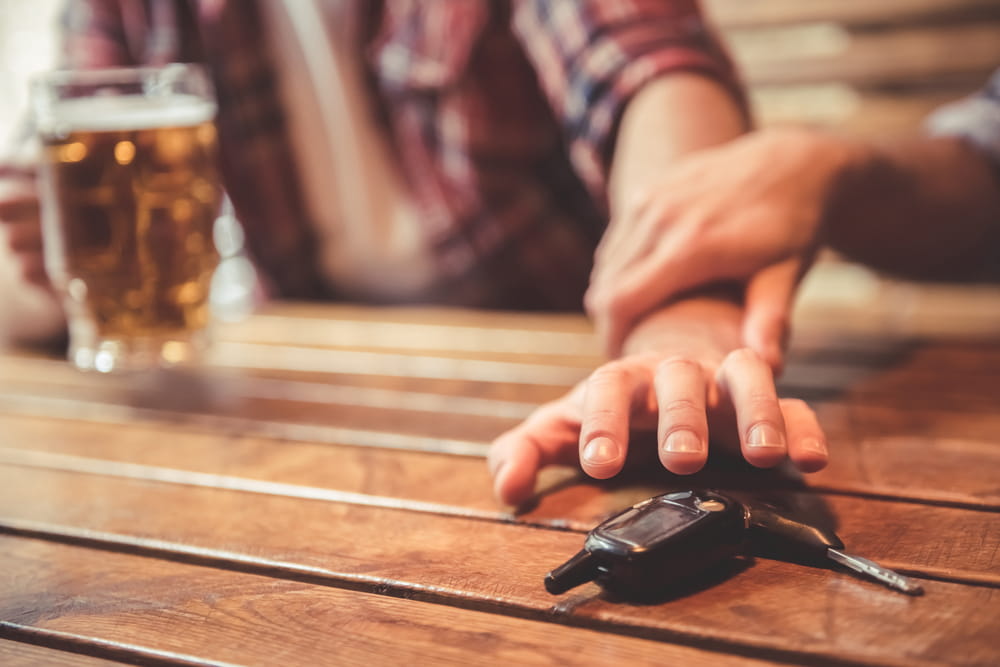
Colorado’s dram shop law allows injured victims to pursue claims against bars, restaurants, and other licensed alcohol vendors who served a visibly intoxicated person who then caused a crash. A DUI injury lawyer handles these claims alongside the case against the drunk driver, creating a more complete picture of who bears legal responsibility for the collision.
Many people assume the drunk driver is the only party who can be held accountable. That assumption leaves significant legal options unexplored. When an establishment profits from continuing to serve someone who is visibly impaired, Colorado law treats that decision as a contributing cause of whatever happens next.
Familiarizing yourself with how Colorado’s dram shop law works, what evidence it requires, and why it matters for injured victims changes how these cases are built from the ground up.
What You Should Know About Colorado Dram Shop Laws
- Colorado’s dram shop law, codified at C.R.S. 44-3-801, creates liability for licensed alcohol vendors who willfully and knowingly serve visibly intoxicated patrons who go on to cause injury
- Liability attaches to the condition of the patron at the time of service, not just their BAC at the time of the crash
- Evidence of visible intoxication, including surveillance footage, receipts, and witness accounts, often disappears within days of a crash
- Drunk drivers frequently carry only Colorado’s minimum liability coverage of $25,000 per person, making dram shop claims a critical secondary source of recovery
- Bars and restaurants typically carry liability policies of $1 million or more, meaning a successful dram shop claim may dramatically change what recovery is possible
What Colorado’s Dram Shop Law Actually Says
C.R.S. 44-3-801 creates civil liability for licensed alcohol vendors under specific conditions. The statute applies when a licensee willfully and knowingly sells or serves alcohol to a visibly intoxicated person, and that person subsequently causes injury to someone else.
Both elements matter. The service must have been to someone visibly intoxicated, and that service must have contributed to the impairment that caused the crash.
Colorado’s law doesn’t cover social hosts in the same way it covers licensed vendors. The statute is directed at commercial establishments that hold state liquor licenses, including bars, restaurants, liquor stores, and event venues.
The Willfully and Knowingly Standard
The phrase willfully and knowingly is often misread as a high bar that protects establishments from most claims. In practice, courts have found that a bartender or server who continues pouring drinks for someone showing obvious signs of intoxication meets that standard.
The question isn’t whether the establishment intended to cause harm. It’s whether the staff observed the patron’s condition and served them anyway.
That distinction shapes how dram shop cases are investigated and argued.
What Visibly Intoxicated Looks Like in a Colorado Dram Shop Case
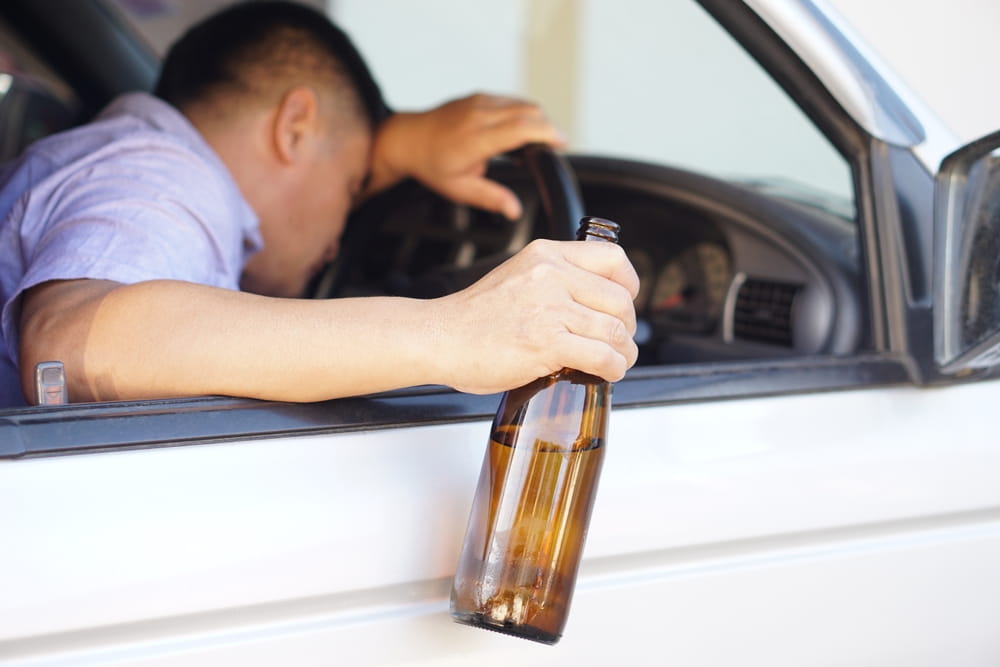
Visible intoxication is assessed at the time the drinks were served, not at the time of the crash. A patron who was served at 10:00 PM and caused a crash at midnight may have been far more obviously impaired while still sitting at the bar. Reconstructing that earlier condition is a core part of dram shop litigation.
Courts and attorneys look at observable behaviors that trained staff would, or should, have recognized:
- Slurred speech: Difficulty forming words or sentences clearly, often noticed by servers during routine interactions
- Stumbling or loss of balance: Unsteady movement to or from the bar, difficulty returning to a seat, or needing to hold onto surfaces
- Bloodshot or glassy eyes: A physical sign that is particularly visible under bar lighting during face-to-face service
- Aggressive or inappropriate behavior: Raising a voice, making inappropriate comments, or becoming confrontational with staff or other patrons
- Inability to focus or maintain conversation: Losing track of what was said, repeating questions, or responding with significant delays
- Needing assistance to walk or stand: Being helped to a seat by another patron or staff member
- Falling asleep or nodding off: One of the clearest behavioral indicators that impairment is severe
Any one of these signs, documented at the time of service, supports the argument that a reasonable server should have refused further service. When several appear together, the foundation for a dram shop claim strengthens considerably. Connecting those observations to the driver’s condition at the time of the crash is where expert testimony becomes critical.
Why the Evidence Disappears Quickly
Surveillance footage at most bars and restaurants is recorded on a continuous loop, overwriting older footage within 24 to 72 hours. A patron’s tab is a routine business record that may be discarded or archived on a short cycle.
Staff members who worked the night of the incident are moved to other shifts or jobs. The window to preserve this evidence is narrow, and it often closes before an injured victim has finished initial medical treatment.
The Types of Evidence That Build a Dram Shop Claim
A thorough investigation into overserving liability typically pursues several categories of documentation simultaneously:
- Security footage: Cameras behind the bar, at entrances, and in parking areas often capture patron behavior, volume of consumption, and the physical condition of someone leaving the establishment
- Receipts and tab records: The number of drinks purchased, the timeframe of service, and any food orders on the same tab help establish a consumption timeline that toxicologists can work backward from
- Witness testimony: Other patrons, bartenders, and servers who observed the individual that night may recall behavior the staff chose to ignore
- Expert toxicology analysis: A forensic toxicologist can calculate, based on the driver’s BAC at the time of the crash, what their likely blood alcohol level was hours earlier while still at the bar
- Incident reports and internal records: Some establishments maintain logs of patrons who were cut off or removed, known in the industry as “86 logs,” which sometimes document the very patron involved in a subsequent crash
Pulling this evidence together quickly is what separates recoverable claims from ones where critical proof no longer exists.
Why Dram Shop Claims Matter for Injured Victims
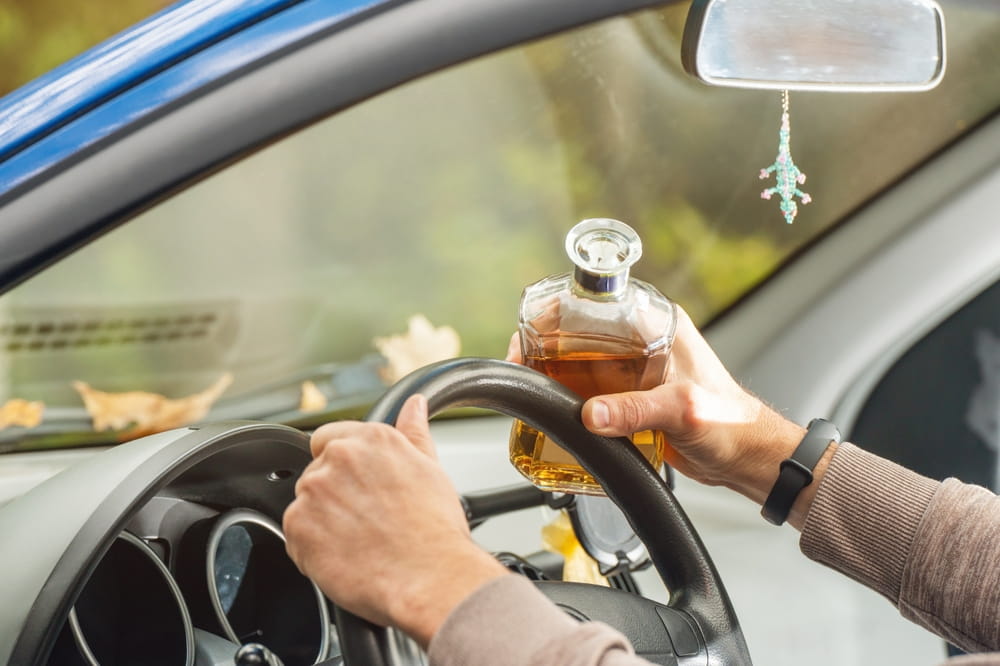
The practical reason dram shop liability matters comes down to money, and specifically, the gap between what a drunk driver can pay and what a serious injury actually costs.
Colorado’s Minimum Liability Coverage Rarely Covers Serious Injuries
Colorado law requires drivers to carry a minimum of $25,000 per person in bodily injury liability coverage. For a victim with a broken leg, a concussion, and several months of missed work, that amount may fall significantly short of actual losses.
For someone with a traumatic brain injury, spinal damage, or injuries requiring surgery and long-term rehabilitation, it may not cover initial hospital costs alone.
Many drivers, particularly those with a history of traffic violations or DUIs, carry only the minimum. Some carry none.
Drunk Drivers Are Often Judgment-Proof
A judgment-proof defendant is one who lacks the assets or insurance to pay a court judgment. When a drunk driver has minimal coverage, limited income, and no significant assets, winning a personal injury case against them alone may produce a judgment that can’t be collected. The legal victory is real; the financial recovery is not.
Licensed Establishments Carry Substantially Larger Policies
Commercial liability insurance for bars and restaurants typically starts at $1 million per occurrence, with many establishments carrying significantly more. These policies exist precisely because serving alcohol creates foreseeable risk.
When a dram shop claim succeeds, the recovery source is a commercial insurer with real capacity to pay, not an individual with a $25,000 policy and a car worth less than the judgment.
That difference can mean the gap between a partial recovery and one that actually addresses the full scope of a victim’s losses.
How Colorado Dram Shop Claims Fit Into a Broader DUI Injury Case
A dram shop claim doesn’t replace the case against the drunk driver. It runs alongside it. Both the driver and the establishment may bear liability, and Colorado’s comparative fault framework allows courts to allocate responsibility among multiple parties.
Proximate Cause and Why It Matters
For dram shop liability to attach, the alcohol service must have been a proximate cause of the injuries. That means the drinking at the establishment must have contributed to the impairment that caused the crash.
A driver who left one bar sober, drove to a second bar, became visibly intoxicated there, and then caused a car accident on the way home creates a much clearer chain of causation against the second establishment than the first.
Proximate cause is a legal determination, not an obvious one, and the facts of each case shape how it’s analyzed.
Statute of Limitations for Dram Shop Claims in Colorado
Colorado’s general personal injury statute of limitations applies to dram shop claims, giving injured parties three years from the date of the crash to file under C.R.S. 13-80-101.
Three years sounds like ample time, but the evidence required to support a dram shop claim, particularly surveillance footage and witness recollections, erodes long before the filing deadline arrives. Waiting diminishes what’s recoverable, even when the legal window remains open.
What Deters Establishments from Overserving in the First Place
The financial consequences of dram shop liability create a meaningful incentive for responsible alcohol service. When bars and restaurants face real exposure for the behavior of customers they overserve, training staff to recognize visible intoxication becomes a business priority, not just an ethical one.
According to the National Highway Traffic Safety Administration, drunk driving claims roughly 10,000 lives each year in the United States. Colorado consistently ranks among the states with elevated rates of alcohol-impaired driving fatalities. Holding commercial vendors accountable for their role in those crashes is one mechanism the law uses to push back against that pattern.
What Injured Victims Should Know Before Assuming the Drunk Driver Is the Only Target
A DUI crash looks simple on its surface: an impaired driver caused the collision, and the injured party pursues compensation from that driver’s insurer. But the full picture of liability often includes a business that made a series of decisions over the course of an evening, each time a drink was served, that contributed to the driver’s condition.
That business had insurance. It had staff who could have intervened. It had a legal obligation under Colorado’s dram shop law that it didn’t meet.
Understanding that a bar or restaurant may share responsibility for a crash changes what questions an injured victim should be asking.
What would it mean for the outcome of a DUI injury claim to know that a second, well-insured party shared responsibility for the crash?
Contact Slingshot Law Injury Attorneys to talk through what the evidence in your case may support.
Frequently Asked Questions About Colorado’s Dram Shop Law
What is Colorado’s dram shop law?
Colorado’s dram shop law, codified at C.R.S. 44-3-801, creates civil liability for licensed alcohol vendors who willfully and knowingly serve a visibly intoxicated patron who subsequently causes injury to someone else. The law applies to commercial establishments holding state liquor licenses, including bars, restaurants, liquor stores, and event venues. It does not cover social hosts in the same way it covers licensed vendors.
How long do I have to file a dram shop claim in Colorado?
Colorado’s general personal injury statute of limitations applies to dram shop claims, giving injured parties three years from the date of the crash to file under C.R.S. 13-80-101. However, the evidence required to support a dram shop claim — particularly surveillance footage and witness recollections — erodes long before the filing deadline arrives. Waiting diminishes what’s recoverable, even when the legal window remains open.
Why do dram shop claims matter if I can just sue the drunk driver?
Drunk drivers frequently carry only Colorado’s minimum liability coverage of $25,000 per person, which rarely covers the full cost of serious injuries. A driver with minimal coverage, limited income, and no significant assets may be judgment-proof, meaning a court victory against them alone doesn’t translate to full financial recovery. Licensed bars and restaurants typically carry commercial liability policies starting at $1 million per occurrence, making a successful dram shop claim a critical secondary source of recovery.
Talk to a Colorado DWI Injury Attorney About Your Case
Lawyer
Colorado’s dram shop law creates a meaningful path to recovery that many injured victims don’t know exists. Before assuming the drunk driver is the only target, it’s worth understanding whether a bar or restaurant shares responsibility for the crash. Contact the injury attorneys at Slingshot Law to talk through the facts of your case and whether a dram shop claim may be part of the picture.