Brain injuries don’t announce themselves the way broken bones do. In the days after a crash on I-70 or a fall at a Grand Junction worksite, the full picture of what happened to the brain may not be clear yet. By the time it is, the insurance company has already made its first move.
A Grand Junction brain injury lawyer steps in before that gap between what the injury costs and what the insurer offers becomes permanent.
Brain injuries are among the most complex and most expensive injuries in personal injury law. According to the Centers for Disease Control and Prevention, traumatic brain injuries contribute to tens of thousands of deaths and hundreds of thousands of hospitalizations in the United States each year.
The long-term care costs, the lost income, and the impact on every dimension of a person’s life make these claims uniquely demanding to build and uniquely important to build correctly.
At Slingshot Law – Injury Attorneys, our Grand Junction brain injury attorneys fight for victims and families across Mesa County and the Western Slope. Have a brain injury case in Grand Junction? Call (800) 488-7840 to talk through your options at no cost.
Why Slingshot Law – Injury Attorneys for Your Grand Junction Brain Injury Case?
Brain injury claims demand more from an attorney than standard personal injury cases. The damages are larger, the defense is more aggressive, and the evidence required to connect the injury to its long-term consequences requires a level of preparation most firms don’t invest in.
Courtroom Experience Against Well-Funded Opponents
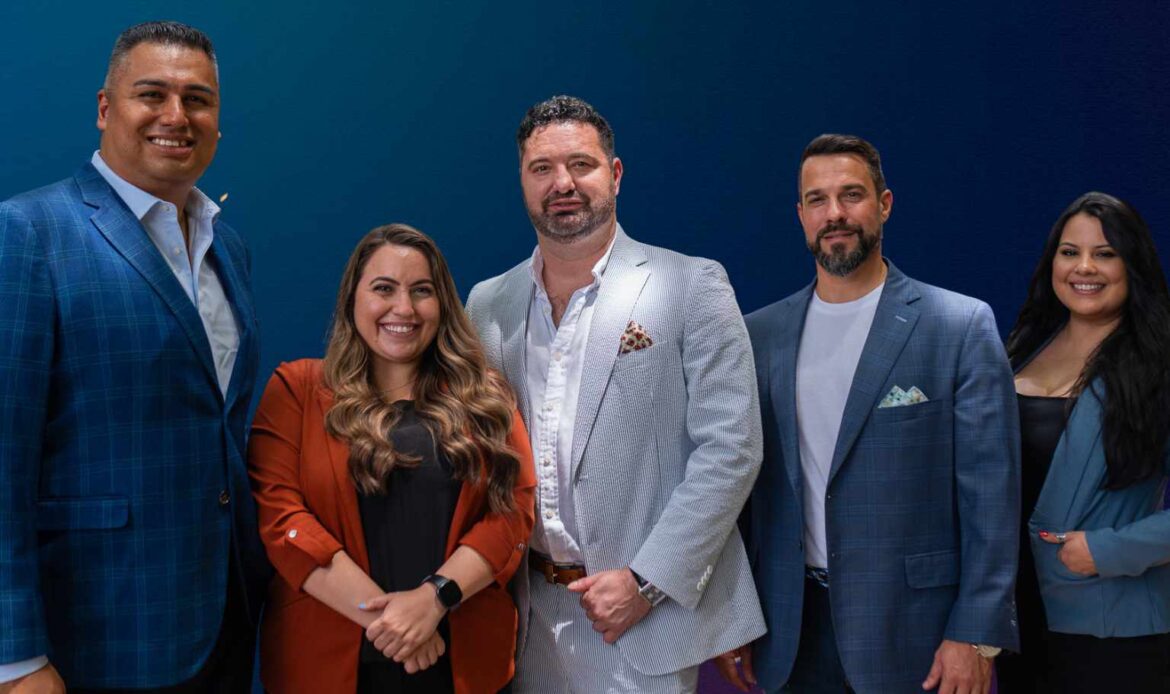
Drew Gibbs spent years as a prosecutor building cases against experienced opposition under adversarial conditions. Insurers in serious brain injury cases retain their own medical consultants, challenge causation aggressively, and push hard to attribute long-term effects to pre-existing conditions. Drew builds brain injury files to withstand exactly that kind of scrutiny.
Disciplined Case Management for Complex, Long-Duration Claims
Scott Crivelli served as an active duty Army Judge Advocate General (JAG) Corps officer. A JAG officer is a military attorney who handles legal matters for service members, often managing multiple high-stakes matters simultaneously. Brain injury cases require coordinating medical documentation, life care planning, vocational assessment, and litigation strategy across months or years. Scott’s background shapes the structured approach we apply to every file.
Life Care Planning and Future Damages Built into Every Claim
A brain injury claim that doesn’t account for future care costs, long-term lost earning capacity, and the lifetime financial impact of the injury will never reflect what the case is actually worth. We work with life care planners and vocational experts who build those projections into the claim before any settlement discussion takes place.
Direct Attorney Involvement From Day One
Brain injury victims and their families are managing enough. They should not also be managing a law firm. Our attorneys handle every Grand Junction brain injury case directly. Clients hear from us, not from case managers. Every decision is made by the attorney responsible for the file.
Have questions about a brain injury claim? Call (800) 488-7840 for a free consultation.
What Makes Brain Injury Claims Different From Other Personal Injury Cases?
Brain injury claims are more complex than most personal injury cases in several specific ways that affect how they must be built and what they are ultimately worth.
Why Do Brain Injury Cases Require More Documentation?
Brain injuries often require more medical documentation than other injury types because their long-term effects are not always visible in standard imaging. Neuropsychological evaluations, cognitive testing, and specialist assessments document the functional impact of the injury in ways that support the damages calculation. Gaps in that documentation give insurers room to argue that effects are overstated or unrelated to the incident.
The Long-Term Cost Problem
The full financial impact of a serious brain injury may not be calculable until months after the incident, when the medical picture stabilizes, and the long-term prognosis becomes clearer. An early settlement offer made before that picture exists is almost never an accurate reflection of the claim’s true value. Once signed, that settlement closes the claim permanently.
Why Insurers Fight Brain Injury Claims So Hard
Brain injury claims involve large damages, long-term care projections, and significant non-economic losses that insurers contest aggressively. Defense strategies include retaining their own medical consultants to minimize injury severity, arguing that pre-existing conditions explain current limitations, and pushing victims toward early settlement before the full scope of the injury is established. Knowing those strategies in advance shapes how we build every file.
Brain Injury Cases We Handle in Grand Junction
Brain injuries in Mesa County arise from a wide range of incidents, and the legal path forward depends on how and where each one occurred.
Motor Vehicle Accidents
Car crashes, truck collisions, and motorcycle accidents on I-70, US-50, and Grand Junction’s surface streets are among the leading causes of traumatic brain injuries in Colorado. These cases combine the brain injury damages analysis with the full scope of motor vehicle accident liability, including fault disputes, multiple defendants, and commercial vehicle employer liability when applicable.
Workplace and Construction Accidents
Grand Junction’s construction and industrial sectors create elevated brain injury exposure from falls, equipment accidents, and struck-by incidents. Workplace brain injury claims may involve both a workers’ compensation component and a separate third-party civil claim against contractors, equipment manufacturers, or property owners whose negligence contributed to the accident.
Slip, Trip, and Fall Accidents
Falls at commercial properties, apartment complexes, and public spaces across Grand Junction produce brain injuries that property owners frequently dismiss as minor incidents. Colorado’s Premises Liability Act, C.R.S. 13-21-115, creates a legal framework for holding those property owners accountable when their failure to maintain safe conditions contributed to the fall.
Sports and Recreational Accidents
Grand Junction’s proximity to recreational trails, cycling routes, and outdoor activity areas creates brain injury exposure from accidents involving third-party negligence. When a brain injury results from someone else’s actions during a recreational activity, civil liability may attach depending on the circumstances and applicable waivers.
Assault and Negligent Security Cases
When a brain injury results from an assault on inadequately secured property, liability may extend to the property owner who failed to maintain reasonable security alongside any claim against the attacker. These cases run through Colorado’s negligent security framework and move on tight evidence timelines.
Have a brain injury case in Grand Junction? Call (800) 488-7840 to talk through your options at no cost.
How Is Compensation Calculated in a Colorado Brain Injury Case?
Colorado law allows brain injury victims to pursue several categories of damages. Because these injuries often carry lifetime implications, the damages calculation in a serious case is more extensive than in most personal injury claims.
| Damage Type | What It Covers | How It Is Documented |
|---|---|---|
| Medical expenses | Emergency care, neurology, surgery, rehabilitation, and all future treatment | Medical bills, provider records, life care plans |
| Lost income | Wages lost during recovery and reduced future earning capacity | Pay stubs, employer records, vocational assessments |
| Future care costs | Long-term medical management, home care, and support services | Life care planner projections, specialist assessments |
| Pain and suffering | Physical experience of the injury and its ongoing limitations | Medical records, personal journals, treating provider testimony |
| Mental anguish | Psychological consequences including depression, anxiety, and PTSD | Psychological evaluations, treatment records |
| Loss of enjoyment of life | Activities, relationships, and independence permanently affected | Personal accounts, family testimony, neuropsychological records |
| Punitive damages | Willful and wanton conduct such as impaired or reckless driving | BAC records, prior citations, conduct evidence |
Colorado does not cap compensatory damages in standard personal injury cases. The life care plan, which is a detailed projection of all future care costs developed by a qualified professional, is often the most significant document in a serious brain injury claim.
Do I Need a Grand Junction Brain Injury Lawyer?

We cannot tell anyone whether they need an attorney for their specific situation. What we can tell you is what a brain injury lawyer in Grand Junction does for someone in your position.
What a Brain Injury Attorney Does That Changes the Outcome
An attorney retains life care planners and vocational experts who build the long-term damages picture into the claim from the start. They manage all insurer communication so nothing is said that limits recovery. They monitor the medical picture and ensure the claim is not resolved before the full extent of the injury is established. And when an insurer disputes the severity of the injury or refuses to negotiate fairly, they litigate.
When Is Legal Involvement Most Critical in a Brain Injury Case?
- Early insurer contact: An adjuster calling within days of the incident is already working to limit the claim before the injury’s full picture is clear
- Disputed injury severity: When the insurer’s medical consultant minimizes the injury, building the counter-record requires expert analysis and legal pressure
- Unclear or delayed diagnosis: Brain injuries that are diagnosed days or weeks after an incident are aggressively used by insurers to challenge causation
- Long-term care needs: When the injury carries lifetime implications, the damages calculation requires professional expertise that changes the conversation with the insurer
A free consultation costs nothing and commits you to nothing.
FAQ for Grand Junction Brain Injury Lawyer
How long do I have to file a brain injury claim in Colorado?
Colorado sets a three-year statute of limitations for personal injury claims under C.R.S. 13-80-101. That clock starts on the date of the incident. In some cases involving delayed diagnosis, the discovery rule may affect when the clock begins. Early legal involvement protects both the legal deadline and the evidentiary foundation.
What if my brain injury was not diagnosed right away?
Delayed diagnosis is common with brain injuries and is regularly used by insurers to argue that the injury was either not caused by the incident or not serious. Consistent medical evaluation from the earliest possible point, even when symptoms initially seem minor, creates a documented connection between the incident and the injury. The timeline of evaluation and diagnosis is a central element of how causation is established.
Can a brain injury claim be settled before the full extent of the injury is known?
It can be, but doing so creates permanent risk. Once a settlement is signed under Colorado law, the claim is closed regardless of how the injury progresses. We advise clients not to resolve brain injury claims until the medical picture has stabilized enough for accurate long-term projections. Accepting an early offer before that point may mean absorbing decades of costs that should have been part of the settlement.
What if the insurance company’s doctor says my brain injury is not serious?
An independent medical examination conducted by a physician the insurer chooses is not an independent process. These examinations frequently minimize injury severity and attribute symptoms to pre-existing conditions. Their findings are challenged with treating physician documentation, neuropsychological testing, and in some cases independent expert opinions. An unfavorable IME is a dispute to be won, not a determination to accept.
Can family members recover compensation when a loved one suffers a brain injury?
In cases where a brain injury victim is incapacitated or has died, family members may have standing to pursue claims on their behalf or in their own right. A spouse, parent, or dependent child may recover for loss of consortium, which is the loss of companionship, support, and the relationship itself. Wrongful death claims are available to surviving family members when a brain injury results in death.
When the Injury Changes Everything, the Claim Has to Reflect That
A serious brain injury does not affect just the person who sustained it. It reshapes the lives of everyone around them. The financial implications stretch across years or decades. The human cost does not fit on a billing statement.
Slingshot Law – Injury Attorneys fights for Grand Junction brain injury victims and their families because these are exactly the cases where having the right representation from the start determines whether the recovery that follows is financially sustainable. Our attorneys handle every case personally, build every litigation file from day one, and do not accept settlements that fail to reflect the actual cost of the injury.
There is no upfront cost and no fee unless we recover compensation on your behalf. Contact the injury attorneys at Slingshot Law – Injury Attorneys or reach out online to start the conversation. Call us at (800) 488-7840.
Grand Junction Office
Address: 734 Main St Ste 102, Grand Junction, CO 81501
Phone: (800) 488-7840