

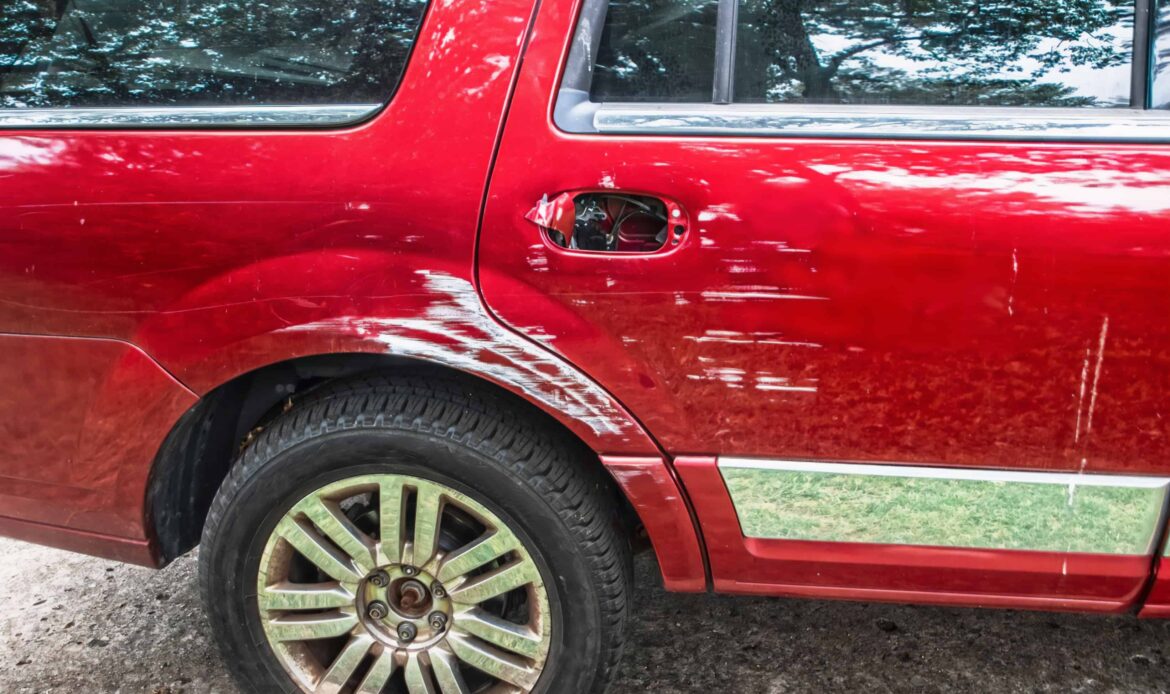
Head-on and T-bone crashes usually dominate conversations about severe accidents, but sideswipe collisions can be just as dangerous. A sudden impact from the side can cause a driver to lose control, turning what looks like a minor scrape into a serious wreck involving rollovers or secondary collisions. In many cases, the worst injuries come not from the initial contact but from the chain reaction that follows. If you’ve been hurt in a sideswipe crash, an experienced car accident lawyer can help you understand your options and pursue the compensation you deserve.
Key Takeaways about Sideswipe Collisions
- A sideswipe collision happens when the sides of two vehicles, typically moving in the same direction, make contact.
- The primary danger stems from the potential for a driver to lose control after the initial impact, leading to more severe secondary accidents like rollovers or collisions with other objects.
- Common causes of sideswipe accidents include unsafe lane changes, distracted driving, driving under the influence, and aggressive maneuvering.
- Injuries from these crashes can be significant, often involving the head, neck, back, and the side of the body that absorbed the impact.
- Establishing which driver was at fault can be complex and often requires a careful review of evidence such as police reports, vehicle damage, and witness testimony.
Understanding the Unique Dangers of a Sideswipe Collision
Cars are engineered with safety features like crumple zones in the front and rear to absorb the force of an impact. The sides of a vehicle, however, offer significantly less protection. There’s only a door and a window between you and the other car, making you much more vulnerable to the force of the collision.
The most terrifying aspect of a sideswipe is the violent, unexpected push. This can trigger a driver’s instinct to overcorrect—jerking the steering wheel in the opposite direction. This common reaction, while understandable, is what frequently leads to a far worse outcome. The initial sideswipe becomes the cause of a much more devastating event.
A driver who overcorrects after being sideswiped can face several dangerous scenarios:
- Rollover Accidents: The vehicle can trip over its own tires or a curb, leading to a rollover, which is one of the most dangerous types of accidents.
- Collisions with Fixed Objects: The car may be sent careening into a guardrail, a median, a telephone pole, or a tree.
- Crossing Into Oncoming Traffic: The vehicle could spin or be pushed across the center line directly into the path of cars traveling in the opposite direction.
- Being Forced Off the Road: A driver might be pushed off the pavement into a ditch, down an embankment, or into other roadside hazards.
These potential secondary accidents dramatically increase the risk of serious injury or fatality, transforming a lane-change error into a life-changing event.
What Commonly Causes These Frightening Accidents?
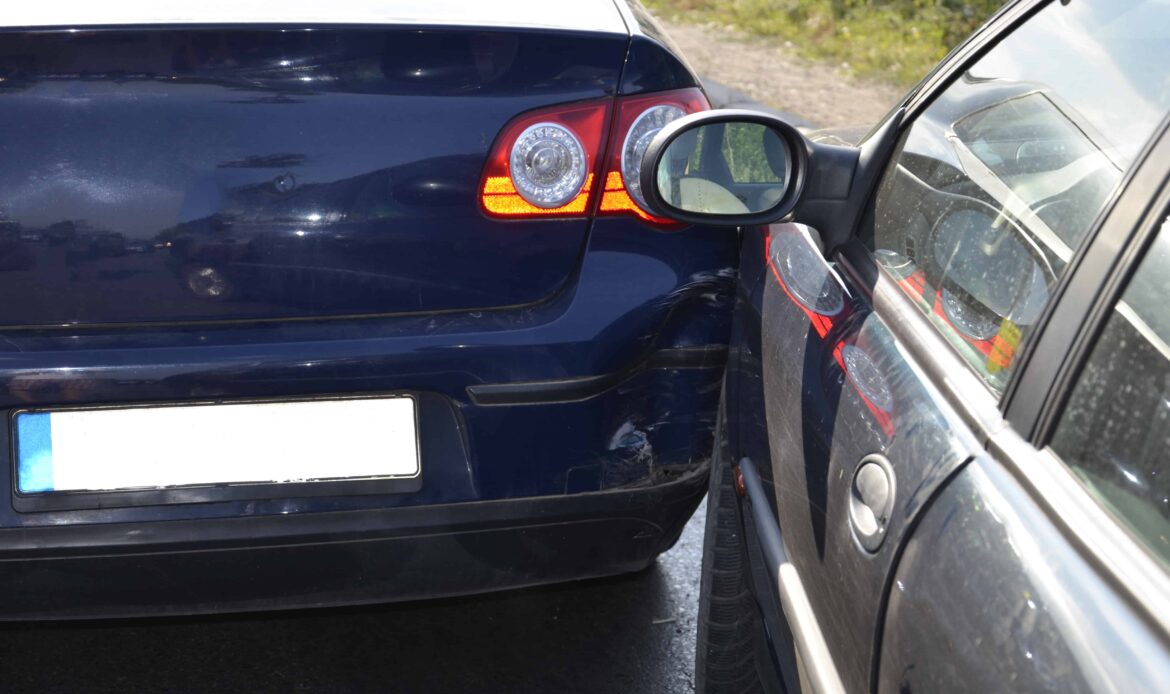
Most sideswipe collisions are not random acts of bad luck; they are the direct result of a driver’s failure to operate their vehicle with reasonable care. This failure, known in legal terms as negligence, is at the heart of most car accident claims. Negligence simply means someone did not act with the same level of caution that a sensible person would have in the same situation, and their carelessness caused harm to another.
Some of the most common forms of negligence that lead to sideswipe collisions include:
- Distracted Driving: This is a leading cause of all accidents. When a driver is texting, adjusting the radio, eating, or talking on the phone, they are not paying attention to the road. A moment’s glance away is all it takes to drift into another lane and cause a devastating sideswipe.
- Unsafe Lane Changes: Many sideswipes occur because a driver failed to check their blind spot or did not use a turn signal before merging. Both Texas and Colorado have specific laws requiring drivers to stay within a single lane as much as possible and only change lanes when it is safe to do so. Under Texas Transportation Code § 545.060, a driver must ascertain that a lane change can be made safely. Similarly, Colorado Revised Statutes § 42-4-1007 outlines the rules for driving on laned roadways.
- Impaired Driving: A driver under the influence of alcohol or drugs has impaired judgment, reduced coordination, and slower reaction times, making them far more likely to swerve out of their lane.
- Aggressive Driving: Some drivers intentionally weave through traffic, tailgate, or make sudden maneuvers out of frustration or impatience. This kind of road rage can easily lead to a sideswipe.
- Drowsy Driving: Fatigued driving can be just as dangerous as drunk driving. A driver who is exhausted, whether they’re a long-haul trucker on I-70 or a commuter driving home from a long shift in downtown Austin, can easily micro-sleep and drift into an adjacent lane.
When a driver engages in these behaviors, they are failing their duty to keep others on the road safe, and they can be held accountable for the harm they cause.
Common Injuries Sustained in Sideswipe Collisions
Even if a sideswipe accident happens at a relatively low speed, the unnatural sideways motion can whip a person’s body around inside the car, leading to significant injuries. The person sitting on the side of the impact is particularly vulnerable. Because the aftermath of a sideswipe is so unpredictable, the injuries can range from moderate to catastrophic.
Some of the injuries frequently seen in these types of crashes are:
- Whiplash and Neck Injuries: The head and neck can be violently jerked from side to side, straining the muscles and ligaments and potentially damaging the cervical spine.
- Back and Spinal Cord Injuries: The twisting force of a sideswipe can cause herniated discs, fractured vertebrae, or, in the most severe cases, damage to the spinal cord itself, which can lead to paralysis.
- Head and Brain Injuries: A person’s head can strike the side window, the door frame, or the pillar between the front and back doors. This can cause anything from a concussion to a severe Traumatic Brain Injury (TBI) with long-term cognitive and physical effects.
- Shoulder, Arm, and Limb Injuries: The arm, shoulder, hip, and leg closest to the impact are at high risk for broken bones, deep bruises, and severe soft tissue damage as they are crushed against the interior of the car.
- Emotional and Psychological Trauma: The terror of being hit and losing control of your vehicle can lead to lasting psychological effects, including anxiety, depression, and Post-Traumatic Stress Disorder (PTSD) that can make it difficult or impossible to drive again.
These injuries often require extensive medical treatment, physical therapy, and time away from work, creating a significant financial and emotional burden on you and your family.
What to Do After a Sideswipe Accident
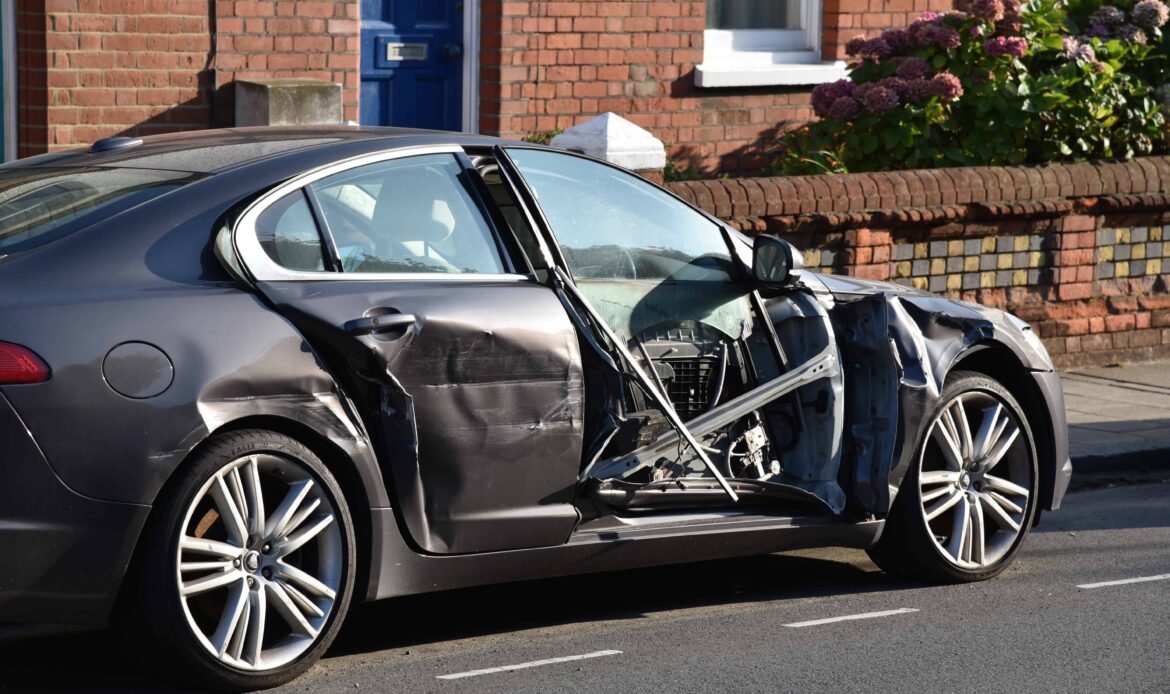
After the initial shock of a crash wears off, the path forward can seem confusing. Taking a few organized steps can help protect your well-being and any potential claim for compensation you may have.
The most important first step is to get a thorough medical evaluation, even if you feel fine. The adrenaline from an accident can mask pain, and some serious injuries, like internal bleeding or concussions, may not show symptoms for hours or even days. Following your doctor’s orders is critical for both your health and for documenting the extent of your injuries.
Once your immediate medical needs are addressed, it’s wise to start getting organized.
- Start a File: Create a physical or digital folder to keep all accident-related documents in one place. This includes the police report, the other driver’s information, medical records, bills, and receipts for any related expenses like prescriptions or transportation to appointments.
- Keep a Journal: Write down your daily experience. Note your pain levels, any physical limitations, emotional struggles, and how your injuries are affecting your ability to work, sleep, and perform daily tasks. This journal can be a powerful tool for showing the real-life impact of the accident.
- Track Your Financial Losses: Keep a running list of any missed time from work and any other out-of-pocket expenses you incur because of the accident.
During this time, you will likely be contacted by the other driver’s insurance adjuster. It is important to be cautious. Their job is to resolve the claim for the lowest possible amount. You are not obligated to give them a recorded statement, and you should not accept a settlement offer until you know the full extent of your injuries and financial losses.
Proving Fault in a Sideswipe Collision
In many sideswipe cases, the other driver will deny responsibility. They might claim you swerved into their lane. This “he said, she said” scenario is where evidence becomes absolutely essential. To hold a negligent driver accountable, you and your legal team must be able to prove that it was more likely than not that their actions caused the collision.
Building a strong case to prove fault requires gathering and analyzing key pieces of evidence. An investigation into a sideswipe collision often involves looking at:
- The Official Police Report: While not always conclusive, the report contains the investigating officer’s initial observations, diagrams of the scene, and notes on whether any traffic citations were issued.
- Statements from Witnesses: An independent witness who saw the crash can provide a neutral account of what happened, which can be invaluable in overcoming a dispute about who was at fault.
- Damage to the Vehicles: The location, type, and severity of the paint transfer and damage on both cars can help an accident reconstruction professional determine the angle of impact and which vehicle initiated the contact.
- Video Footage: Evidence from dashboard cameras, nearby security cameras, or traffic cameras can provide clear, indisputable proof of how the accident occurred.
- Cell Phone Records: In cases where distracted driving is suspected, phone records can sometimes show if the at-fault driver was texting or talking on the phone at the moment of the crash.
Piecing together this evidence creates a detailed narrative of the events, allowing the truth to emerge and demonstrating how the other driver’s negligence led to your injuries.
Sideswipe Collision FAQs
Here are answers to some common questions people have after being involved in a sideswipe collision.
Can I have a claim if another car forced me off the road but never actually touched my vehicle?
Yes, this is often called a “phantom vehicle” or “no-contact” accident. If you can prove that another driver’s negligent action, like swerving into your lane, forced you to take evasive action that resulted in your crash and injuries, you may still be able to pursue a claim through your own uninsured motorist coverage.
How long do I have to file a personal injury claim after a sideswipe accident?
Every state has a law called the statute of limitations, which sets a strict deadline for filing a lawsuit. In Texas, you generally have two years from the date of the accident. In Colorado, the statute of limitations for a motor vehicle accident is typically three years. If you miss this deadline, you may lose your right to seek compensation forever.
What kind of compensation can be recovered after a sideswipe collision?
If another driver is found to be at fault, you may be able to recover compensation for your damages. This typically includes economic damages, which are tangible financial losses like medical bills, lost wages, and future medical needs. It can also include non-economic damages, which compensate for intangible harms like pain and suffering, emotional distress, and loss of enjoyment of life.
What if the other driver was a “hit and run”?
If the driver who sideswiped you fled the scene, you may still have options. Your own auto insurance policy might include Uninsured Motorist (UM) coverage. This coverage is designed to protect you in situations just like this, allowing you to file a claim with your own insurance company to cover your damages up to your policy limits.
You Don’t Have to Face the Insurance Giants Alone

Recovering from a sideswipe collision is about more than just healing from physical injuries; it’s about rebuilding your sense of security and getting your life back on track. The process can feel like a battle, especially when you’re up against a large insurance company focused on its bottom line. But you don’t have to fight Goliath by yourself.
At Slingshot Law – Injury Attorneys, we are dedicated to standing up for people who have been injured by someone else’s carelessness. We understand the tactics insurance companies use to minimize or deny claims, and we are prepared to fight for the fair compensation you need to move forward.
If you were injured in a sideswipe accident in Austin, Grand Junction, or the surrounding areas, contact us today at (800) 488-7840 or through our online form for a free, no-obligation consultation to discuss your case and learn how we can help.