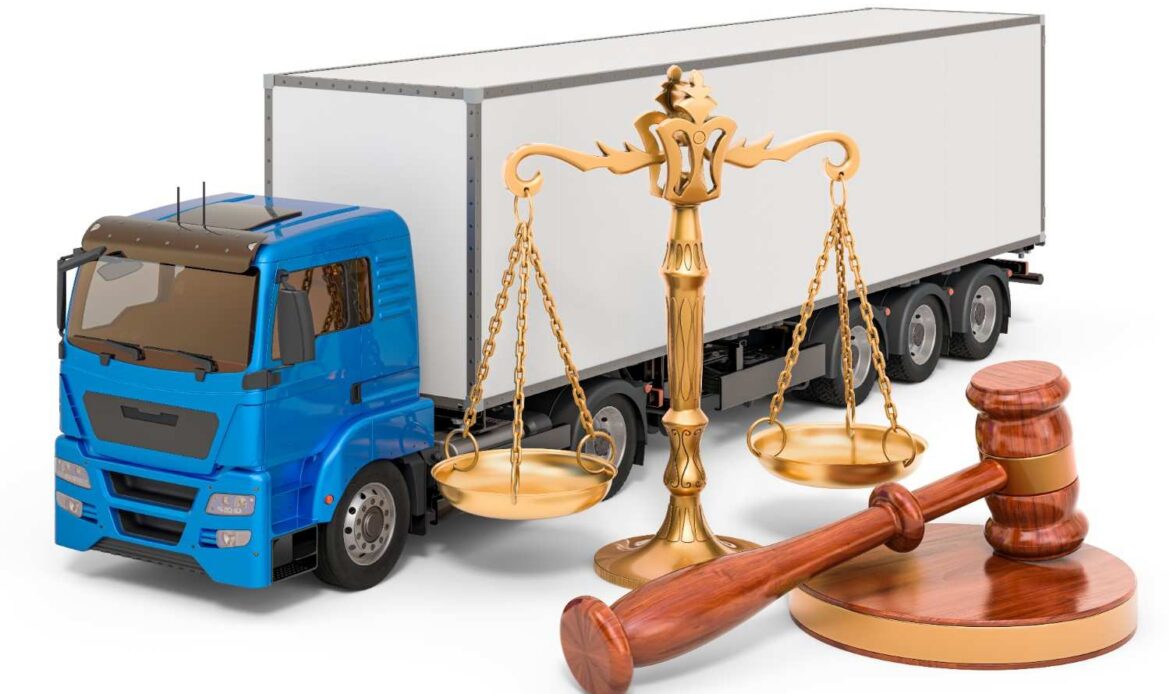
A collision involving a commercial truck is not just another traffic accident. The size and weight of a tractor-trailer mean the outcome is catastrophic. Determining liability in these cases is rarely straightforward, as truck accidents often involve a complex web of potential defendants.
Understanding who may bear legal responsibility is a critical step toward securing justice and obtaining the compensation necessary for recovery. A Grand Junction truck accident lawyer can unpack the layers of liability and the legal principles that apply when untangling fault after a truck accident. If you or a loved one has suffered an injury in a collision with a commercial truck, the team at Slingshot Law Injury Attorneys can identify all responsible parties and pursue the rightful compensation. Contact us for a confidential case evaluation.
Key Takeaways about Determining Liability in a Truck Accident
- Truck accident liability may extend to the truck driver, the trucking company, the cargo loader, the vehicle or parts manufacturer, other drivers, or even government road agencies.
- Every potentially responsible entity is evaluated to determine whether it had a duty of care, breached it, and caused the crash.
- Evidence includes ELD logs, black box data, maintenance records, cargo documents, and video footage, which often help determine how and why the collision occurred.
- Victims of truck crashes often face catastrophic harm such as TBIs, spinal injuries, amputations, internal trauma, and psychological damage.
- You can pursue compensation from multiple parties, where each may be required to pay a portion of your damages based on their percentage of fault.
- Act quickly, as evidence disappears quickly, trucking companies mobilize immediate defense teams, and strict legal deadlines apply.
- Consult a truck accident lawyer to manage the investigation, preserve evidence, identify all liable parties, and position your claim for the maximum possible recovery.
Who Is Responsible for a Truck Accident?
In truck accident litigation, fault is not a singular determination but a multi-party analysis. Responsibility may extend far beyond the individual driver to include corporate entities, manufacturers, and service providers. Establishing liability requires a methodical examination of operational practices, equipment integrity, and regulatory compliance across the entire commercial transportation chain.
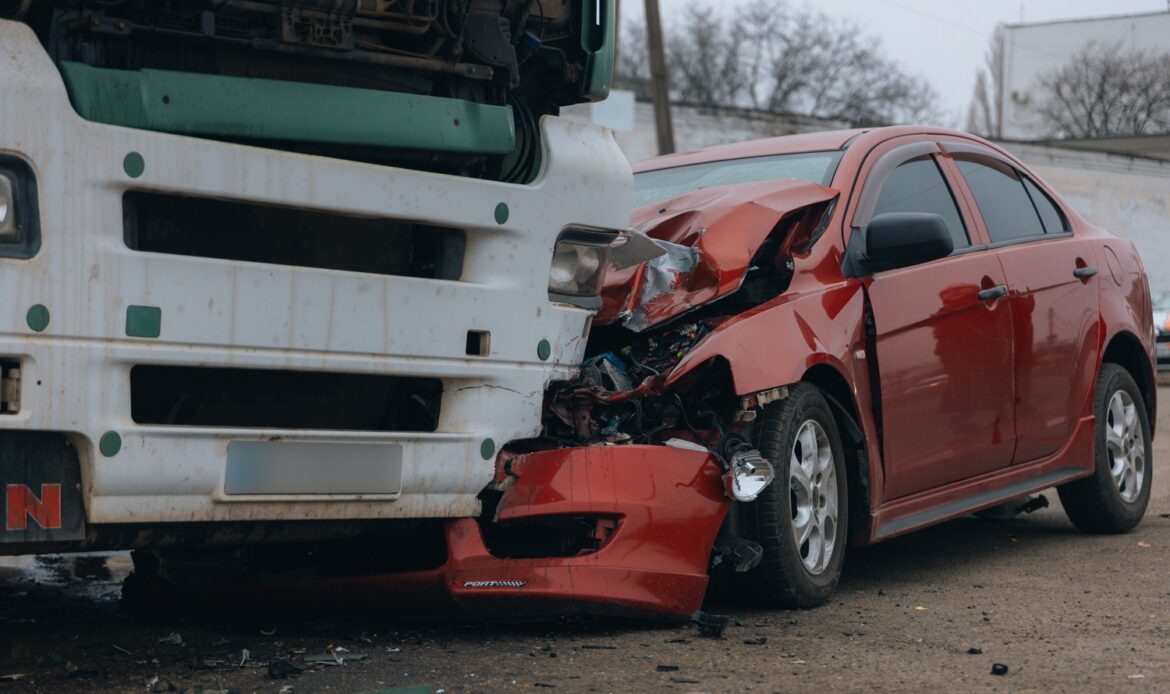
The law apportions liability based on the principle of negligence. To hold a party liable, you must show that they acted negligently. This analysis applies to each entity involved in the truck’s operation and maintenance.
The following outlines common parties subject to liability and the basis for their potential legal responsibility.
The Commercial Driver
People always closely examine the driver’s actions. Liability can attach for violations of traffic laws or FMCSA regulations, including operating while impaired by fatigue or substances, distracted driving, speeding, or improper lane changes. A driver may also be responsible for failing to conduct required pre-trip inspections that may have identified a mechanical problem.
Maintenance and Repair Providers
Third-party service facilities that performed inadequate or negligent repairs on the truck or trailer can share liability. If a mechanical failure traced to recent repair work causes an accident, the maintenance provider may be held responsible for their substandard workmanship. These issues include faulty brake servicing or improper tire installation.
The Cargo Loader and Shipper
Improper cargo loading is a frequent cause of rollovers and loss-of-control incidents. The entity responsible for loading and securing freight, which may be a separate shipping company, warehouse, or the driver, can be liable if they overload the vehicle, distribute weight unevenly, or fail to use appropriate restraints. This negligence creates an unreasonable danger for other motorists.
The Trucking Carrier or Employing Entity
A motor carrier bears direct responsibility for its operational safety management. This includes establishing driver hiring standards, implementing comprehensive training protocols, and implementing systematic vehicle maintenance programs.
A carrier may be held directly liable for institutional failures, such as pressuring drivers to exceed federally mandated driving hours or neglecting to repair known mechanical defects. Furthermore, under the doctrine of respondeat superior, a carrier is generally responsible for the negligent acts of its drivers committed within the scope of their employment.
Manufacturers of Vehicles and Components
If an accident results from a defective part or a flawed vehicle design, the manufacturer may be liable under product liability theories. This can involve a failure in a critical system, such as brakes, steering, or trailer coupling. Evidence of a widespread defect or a failure to issue appropriate recalls strengthens such a claim.
Other Motorists
While the focus often rests on the commercial vehicle, other drivers on the road can contribute to or cause an accident. A passenger car driver who makes an abrupt lane change in front of a truck or fails to yield may be assigned a percentage of fault, which can reduce the damages they can recover from other parties.
Government Entities Responsible for Roadways
In instances where poor road design or neglected maintenance contributes to an accident, a municipal or state transportation department may share liability. Examples include inadequately marked construction zones, persistent hazards like severe pavement drop-offs, or malfunctioning traffic control signals. These claims have unique rules and deadlines, as well as special procedures, making them more challenging than standard injury cases.
Evidence Central to Truck Accident Litigation
The resolution of a truck accident claim is fundamentally shaped by the quality and depth of the evidence gathered. Due to the severe forces involved and the federal regulations governing commercial carriers, some categories of documentation and data carry particular weight. These records provide an objective foundation for reconstructing events, establishing violations of safety standards, and pinpointing institutional failures. Evidence in these cases includes:
Electronic Logging Device (ELD) and Driver Logs
Federal regulations require commercial drivers to record their duty status using an electronic logging device, which automatically synchronizes with the engine to track driving time. These logs are the primary evidence for assessing driver fatigue.
Also, truck accident attorneys and professionals analyze this data to identify violations of Hours-of-Service rules, such as failing to take required rest breaks. Discrepancies between the ELD records and any manually maintained logs can further demonstrate a pattern of non-compliance.
Engine Control Module (ECM) Data
Often referred to as the black box, the truck’s ECM records a wealth of operational parameters in the moments preceding a collision. This data can include the vehicle’s exact speed, brake application, throttle position, steering input, and engine RPM.
ECM data is known to provide a precise, digital account of the truck’s mechanical behavior. Accident reconstructionists rely on this information to determine factors like whether the driver attempted to brake, if the truck was accelerating, and the force of impact.
Maintenance and Repair Records
Commercial carriers are legally required to maintain systematic records of all inspections, repairs, and service performed on their vehicles. A review of these records can reveal a history of neglected repairs, deferred maintenance on critical systems like brakes or tires, or the use of substandard parts. Once you establish a pattern of poor maintenance, it indicates a direct disregard for vehicle safety, creating foreseeable risks for other motorists. A single missing inspection report for a component that failed can also support a claim of negligent oversight.
Bills of Lading and Freight Documentation
These shipping documents specify the cargo’s weight, distribution within the trailer, and the methods used for cargo securement. In accidents involving rollovers or shifted loads, investigators examine these records to determine if the cargo was overweight, improperly balanced, or insufficiently restrained.
Liability may extend to the shipper or third-party loading company if their actions created an unstable or hazardous condition. As the contractual record of who was responsible for loading, it is a key document for identifying additional potentially liable parties beyond the driver and carrier.
Dashcam and Surveillance Footage
Video evidence from dashcams mounted on the truck or other vehicles, or from nearby traffic or business security cameras, provides a clear and unambiguous visual narrative. It can capture the driver’s actions, the positions of the vehicles, the status of the traffic signals, and the immediate cause of the collision.
Footage can corroborate or refute witness statements and driver accounts, making it one of the most persuasive forms of evidence for insurance adjusters and juries. You need to identify and preserve such footage, as many systems automatically overwrite data on a short cycle.
Physical and Psychological Trauma in Truck Collisions
The extreme mass and force involved in collisions with commercial trucks generate injuries that are frequently severe, complex, and life-altering. The discrepancy in size and weight between a passenger vehicle and a tractor-trailer means that standard automotive safety features offer limited protection. Consequently, the resulting harm ranges from acute, catastrophic physical trauma to enduring psychological conditions, often requiring long-term care and fundamentally altering a victim’s livelihood and quality of life.
Here are the common injuries associated with truck crashes:
- Traumatic Brain Injuries (TBI): The sudden deceleration in a high-impact crash can cause the brain to strike the skull, resulting in trauma that may not be immediately visible.
- Spinal Cord Damage and Paralysis: The violent forces exerted on the spinal column during a collision can sever the spinal cord, resulting in paralysis.
- Internal Organ Damage: Blunt force trauma from seatbelts, the steering column, or impacting debris can cause life-threatening internal injuries without obvious external signs.
- Extremity Injuries and Amputations: Limbs can be crushed by intruding vehicle structures or pinned during impact, leading to complex fractures, severe soft tissue damage, or traumatic amputation.
- Psychological and Emotional Harm: The psychological aftermath of a devastating crash is a legitimate and compensable injury. Many survivors may endure post-traumatic stress disorder (PTSD), characterized by acute anxiety, depression, or vehicular phobia.
The severity and permanence of these injuries reflect the substantial damages at stake in truck accident litigation. Medical treatment may be a continuum of care, rehabilitation, and adaptation. This requires a comprehensive assessment of the claim, which must take into account the lifelong needs and the loss of a victim’s former quality of life. A lawyer can craft legal strategies to secure sufficient resources that address the complete picture of the harm.
Hurt in a Truck Accident? Secure Your Legal and Financial Future
If you’ve suffered an injury in a collision involving a commercial truck, determining fault requires dedicated focus and resources. A legal professional provides necessary guidance by conducting an independent investigation to ascertain liability.

This allows you to concentrate on recovery while your legal advocate develops factual and legal arguments to secure your financial future. The Grand Junction personal injury attorneys at Slingshot Law Injury Attorneys are ready to handle the complex demands of your truck accident claim. Contact us for a detailed discussion of your circumstances and legal options.
FAQs: Liability in Truck Accident Claims
What if multiple parties share fault for the crash?
When more than one entity’s negligence contributes to an accident, state laws typically divide liability. This means a court or settlement will assign a percentage of fault to each responsible party. Your recovery is not necessarily limited to the policy limits of one defendant, but a comprehensive claim seeks compensation from each liable entity according to their share of responsibility. This approach is fundamental to ensuring full compensation when damages are severe.
What is the statutory deadline for initiating legal action?
Every state enforces a statute of limitations, a legally mandated time frame for filing a lawsuit. For personal injury claims arising from a truck accident, Texas has established a two-year statute to limitations from the date of the incident. The specific timeframe varies by jurisdiction and can depend on the nature of the claim. Consulting with a truck accident attorney promptly is crucial to preserve your right to proceed, as missing the deadline will almost certainly bar your claim, regardless of its merits.
Why is immediate investigation important in truck accident cases?
Key evidence in the trucking industry is often ephemeral. Electronic logging device data may overwrite, vehicle inspection records may update or be lost, and witnesses may forget details over time. Furthermore, trucking companies and their insurers begin their own investigations immediately to build a defense. That is why a truck accident attorney will swiftly send legal preservation notices, secure black box data, and document the scene to protect evidence that forms the foundation of your claim.
Should I speak with the trucking company’s insurance adjuster?
It is not advisable to provide a statement or discuss details of the accident with the adjuster representing the trucking company or its insurer before consulting with your own legal counsel. The adjuster’s primary objective is to minimize the financial exposure of their insured. Initial conversations may seem routine, but they often aim to gather information that can later help downplay the severity of your injuries or assign partial fault to you. You have no legal obligation to provide them with a recorded statement. It is a standard practice to have your attorney manage all communications with insurance representatives to protect your interests.