


A truck accident settlement in Austin, Texas, is worth the full documented cost of what the crash took from the victim, and in serious 18-wheeler collisions, that number is almost always larger than injured victims initially expect.
A truck accident lawyer calculates that figure by accounting for every category of economic and non-economic loss, including costs that won’t materialize for years but are entirely foreseeable from the nature of the injuries sustained.
That framing matters because the gap between what an insurer offers early and what a claim is actually worth is rarely small. Commercial trucking crashes involving fully loaded 18-wheelers produce some of the most severe injuries in personal injury litigation: traumatic brain injuries, spinal cord damage, amputations, and severe burns that require ongoing care, repeated surgeries, and permanent lifestyle accommodations.
An offer made before that full picture is documented reflects what the carrier hopes to pay, not what the injuries will actually cost.
Fast Facts
- A truck accident settlement in Austin, Texas should reflect both current losses and all reasonably foreseeable future costs connected to the crash injuries
- Economic damages cover documented financial losses including medical expenses, lost income, future care costs, and home or vehicle modifications required by the injury
- Non-economic damages cover pain and suffering, mental anguish, and loss of enjoyment of life, categories that don’t appear on a bill but represent real and compensable losses under Texas law
- Catastrophic injury damages in an 18-wheeler crash, including spinal cord injuries and traumatic brain injuries, often involve lifetime care projections that dramatically increase total claim value
- Accepting an early settlement without a full accounting of long-term damages truck accident costs in Austin may leave victims unable to cover care they’ll need for decades
Why 18-Wheeler Crash Injuries Produce Catastrophic Damages
The physics of a commercial truck collision explain why the damages in these cases exceed typical vehicle accidents by such wide margins. A fully loaded 18-wheeler can weigh up to 80,000 pounds under federal regulations.
A passenger vehicle weighs roughly 4,000 pounds. When those two objects collide at highway speed, the force transferred to the smaller vehicle and its occupants produces injuries at a different scale entirely.
That severity is why the damages calculation in an Austin truck accident settlement cannot be completed in the days or weeks immediately following a crash. The injuries haven’t finished revealing their full scope, and the costs haven’t finished accumulating.
The Injuries That Drive Catastrophic Damage Claims
Not every truck accident produces catastrophic injuries, but the ones that do share a common characteristic: the costs associated with them don’t end at discharge. They extend through rehabilitation, through long-term care, through career disruption, and in many cases through a lifetime of medical management.
- Traumatic brain injuries: TBIs require neurological evaluation, cognitive rehabilitation, long-term monitoring, and in severe cases, permanent in-home or facility care that compounds over decades
- Spinal cord injuries: Partial or complete spinal cord damage may produce permanent paralysis requiring modified living arrangements, specialized equipment, attendant care, and lifetime medical supervision
- Amputations: Prosthetic limbs require replacement every three to five years, specialized fitting, ongoing physical therapy, and psychological support that extends well beyond the initial recovery period
- Severe burns: Burn injuries often involve multiple surgeries including skin grafts, years of reconstructive procedures, permanent scarring, and significant psychological treatment costs
- Multiple orthopedic fractures: Complex fractures requiring surgical repair frequently lead to chronic pain conditions, reduced mobility, and permanent limitations on employment and daily activity
Each of these injury categories requires a damages calculation that extends far into the future, and each carries costs that an early settlement offer almost never fully captures.
Economic Damages in a Texas Truck Accident Claim
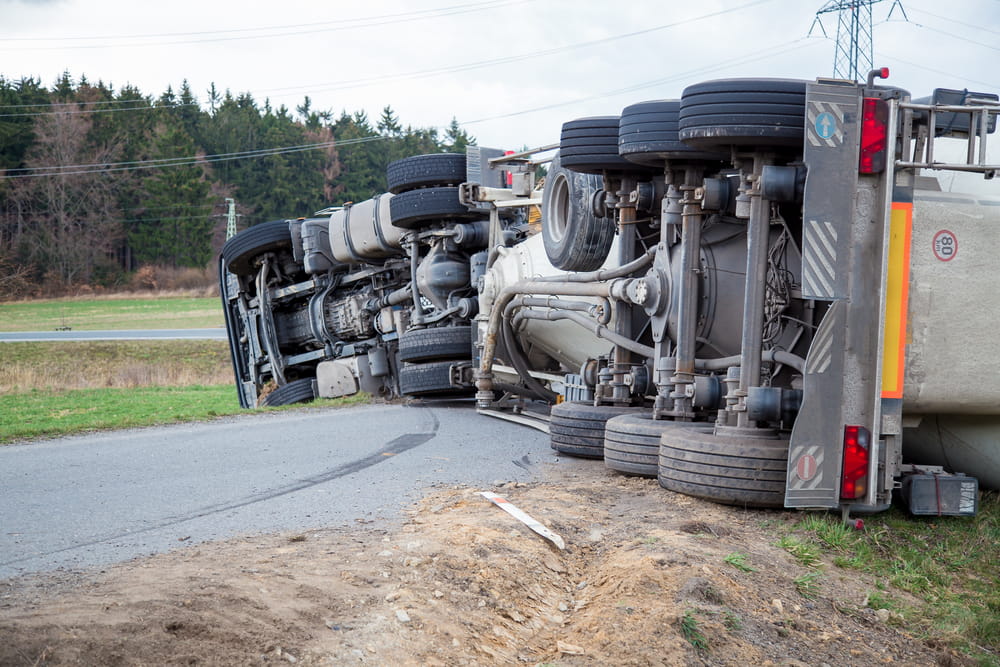
Economic damages represent the financial losses that can be calculated with documentation. They form the foundation of every truck accident compensation claim in Texas, and building them comprehensively is what supports the full value of the claim.
Current Medical Expenses
Medical costs from the date of the crash through the settlement or verdict are the most straightforward category of economic damages. They include emergency transport, hospital care, surgical procedures, ICU stays, prescription medications, physical and occupational therapy, and any assistive devices required during recovery.
These costs are documented through medical bills, insurance explanation of benefits statements, and provider records. Gathering every bill, every receipt, and every record of out-of-pocket medical spending creates the baseline from which the rest of the damages calculation builds.
Future Medical Costs
Future medical expenses are often the largest single component of a catastrophic injury damages claim in an 18-wheeler crash. They require projection based on the nature of the injury, the expected course of treatment, and the anticipated need for ongoing care.
A life care planner, typically a medical professional with experience in long-term care cost analysis, develops a structured projection of all reasonably anticipated future expenses. That projection covers:
- Ongoing treatment and monitoring: Regular physician visits, specialist care, diagnostic imaging, and medication costs projected across the victim’s expected lifespan
- Surgical procedures: Anticipated future surgeries, including reconstructive procedures for burn victims and hardware replacement for orthopedic injuries
- Rehabilitation: Continued physical, occupational, and cognitive therapy costs as recovery progresses and as condition management becomes ongoing rather than acute
- Equipment and technology: Wheelchairs, prosthetics, communication devices, and other adaptive technology with projected replacement cycles
- Attendant and home care: In-home nursing, personal care assistance, and the cost of services the victim can no longer perform independently
Life care plans are presented as evidence in litigation and are subject to scrutiny by the defense. Building them with qualified professionals and thorough medical documentation is what makes them defensible under that scrutiny.
Lost Income and Earning Capacity
Lost wages during recovery are calculated using pay records and employment documentation. For salaried employees, the calculation is straightforward. For hourly workers, contractors, and self-employed individuals, it requires more documentation but follows the same principle: the income the victim would have earned but for the crash.
Lost earning capacity is a separate and often more significant calculation. When injuries permanently limit a victim’s ability to return to their prior occupation or any comparable work, the financial impact extends across the remainder of their working life.
A vocational expert assesses the victim’s pre-injury earning trajectory, their current limitations, and the differential between what they would have earned and what they can now realistically earn.
For a 35-year-old skilled tradesperson permanently unable to return to physical work after a spinal cord injury in an Austin 18-wheeler crash, the lifetime lost earning capacity figure can represent a substantial portion of the total claim value.
Home and Vehicle Modifications
Catastrophic injuries frequently require physical modifications to a victim’s living environment and transportation. Wheelchair ramps, widened doorways, roll-in showers, hospital-grade beds, and vehicle hand controls are among the modifications that may be necessary following serious truck accident injuries.
These costs are documented through contractor estimates and medical recommendations and are fully compensable as economic damages in a Texas truck accident claim. They’re also frequently omitted from early settlement discussions, because the insurer has no incentive to raise them.
Out-of-Pocket and Incidental Costs
Transportation to and from medical appointments, childcare during treatment, household services the victim can no longer perform, and other incidental expenses tied directly to the injury are recoverable as economic damages. Keeping organized records of these costs from the earliest stages of recovery ensures they’re captured in the final calculation.
Non-Economic Damages in an Austin 18-Wheeler Accident Settlement

Non-economic damages address the human cost of a serious truck accident, the losses that don’t appear on a bill but are no less real for their absence from one. Texas law recognizes these categories as fully compensable, and in catastrophic injury cases they often represent a significant share of the total settlement value.
Pain and Suffering
Pain and suffering damages cover the physical experience of the injury itself: the acute pain of the initial trauma, the discomfort of recovery, and the chronic pain that frequently follows serious orthopedic, neurological, and burn injuries. They also cover the ongoing physical limitations that change what a victim is able to do in daily life.
Presenting pain and suffering effectively requires documentation beyond medical records. Personal injury journals kept during recovery, testimony from family members about observable changes, and treating physician assessments of chronic pain status all contribute to building this component of the claim.
Mental Anguish
Post-traumatic stress disorder, depression, and anxiety are common consequences of serious commercial truck crashes. The violence of the collision, the extended hospitalization, and the permanent life changes that catastrophic injuries produce create psychological conditions that require their own treatment and carry their own long-term costs.
Mental anguish damages in Texas truck accident claims are supported by psychological evaluations, treatment records, and testimony about how the victim’s emotional and cognitive function has changed since the crash.
Loss of Enjoyment of Life
When serious injuries permanently prevent a victim from participating in activities that were central to their life before the crash, those losses are compensable as loss of enjoyment of life. An avid cyclist unable to ride again, a parent unable to play with young children, a musician whose hand injuries ended their ability to perform: each represents a category of loss that Texas law recognizes as real and worthy of compensation.
This component of the claim requires the most personal documentation. Photographs, hobby records, and testimony about pre-injury activities and post-injury limitations build the picture that connects the legal category to the lived experience of the victim.
FAQ for Truck Accident Settlement in Austin, Texas
Does Texas cap non-economic damages in truck accident cases?
Texas caps non-economic damages in medical malpractice cases but does not impose a statutory cap on non-economic damages in standard personal injury cases including commercial truck accidents. Pain and suffering, mental anguish, and loss of enjoyment of life are recoverable without a statutory ceiling in Texas truck accident litigation.
Can I recover damages for injuries that get worse over time after a truck accident?
Compensation for future medical costs and long-term complications is built into the damages calculation through life care plans and medical expert testimony. The key is ensuring that the settlement or verdict is reached after the injury has stabilized enough for accurate long-term projections, rather than before the full picture of progression is clear. Settling too early is one of the most common and consequential mistakes in catastrophic injury cases.
What role does a life care planner play in a truck accident settlement?
A life care planner is a medical professional who develops a detailed projection of all future care costs connected to a serious injury. Their analysis covers ongoing treatment, anticipated surgeries, rehabilitation, equipment replacement cycles, and attendant care needs across the victim’s expected lifespan.
That projection forms the evidentiary foundation for future damages claims and is subject to challenge by defense experts, making the qualifications and methodology of the planner critical to how effectively it holds up.
How are lost earning capacity damages calculated in a Texas truck accident case?
A vocational expert compares the victim’s pre-injury earning history and career trajectory with their post-injury work capacity. The differential between what the victim would have earned and what they can now realistically earn, projected across their remaining working years, produces the lost earning capacity figure.
For younger victims with serious injuries and long working years ahead, this calculation can represent a significant portion of total economic damages.
The Gap Between the First Offer and the Full Cost

A trucking company’s insurer makes an early offer because early offers cost less. They cost less because the victim doesn’t yet know what the injury will require over a lifetime, and because the documentation that supports the full value of the claim hasn’t been built yet. The real cost of an 18-wheeler crash in Austin, when the injuries are serious, includes every surgery not yet scheduled, every month of rehabilitation not yet completed, every accommodation not yet built, and every dollar of income not yet lost but now never to be earned. That cost belongs in the settlement. Contact the injury attorneys at Slingshot Law to talk through the full scope of what your claim may be worth.