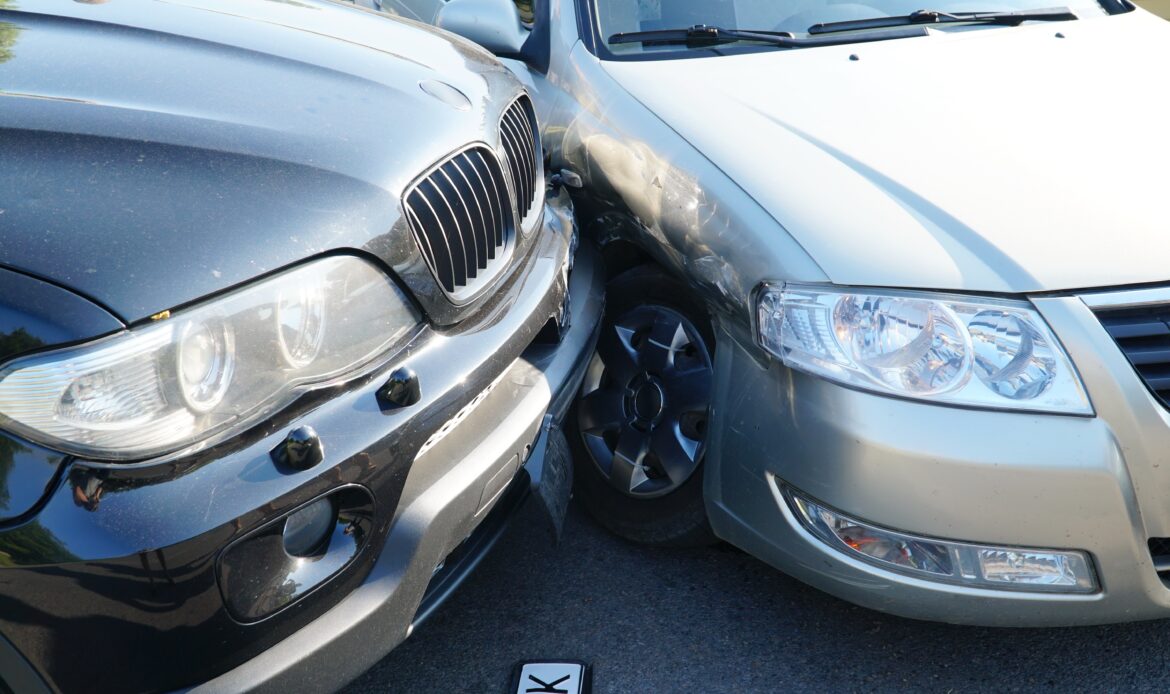
Being a passenger in a car accident leaves you injured through no fault of your own. You weren’t driving. You had no control. Yet you’re dealing with injuries, medical bills, and lost earnings. Understanding what compensation you can recover helps you move forward.
Our Grand Junction, Colorado, car accident lawyers at Slingshot Law represent injured passengers in car accidents. We understand the unique aspects of passenger claims and fight for full compensation on behalf of our clients. If you suffered an injury as a passenger, speaking with a lawyer clarifies your rights and potential recovery.
Schedule a Free Initial Consultation
Key Takeaways: Passenger Compensation in Car Accidents
- Passengers typically have strong claims because they’re rarely at fault for accidents.
- You can pursue compensation from the driver of your vehicle, the other driver, or both, depending on who caused the accident.
- Compensation covers medical expenses, lost earnings, pain and suffering, and other damages, similar to claims made by drivers.
- Injury severity, treatment needs, and the likelihood of permanent disabilities determine compensation amounts.
- Multiple insurance policies may apply, potentially providing more available compensation than single-driver accidents.
- Relationships with drivers don’t prevent you from pursuing claims, though they can create emotional complications.
- Working with a car accident lawyer ensures you pursue all available compensation sources and maximize your recovery.
Why Passengers Have Strong Legal Claims
Passengers are rarely at fault for car accidents. You weren’t driving, didn’t control the vehicle, and couldn’t prevent the crash. This lack of fault significantly strengthens your claim.

Insurance companies can’t easily blame you. In driver-versus-driver cases, adjusters often argue about who caused the accident or claim both drivers share fault. These arguments don’t work against passengers. Someone else’s negligence caused your injuries.
You have clear legal standing to pursue compensation. As an injured passenger, you can make claims against the driver of your vehicle if they caused the accident, the other driver if they were at fault, or both if they shared responsibility.
The law treats passenger injuries the same as driver injuries. You deserve compensation for medical bills, lost earnings, pain and suffering, and all other damages, regardless of whether you were driving or riding.
Sources of Compensation Available to Passengers
The driver of your vehicle carries liability insurance. If their negligence caused the accident, their insurance covers your injuries. This applies even if the driver is a family member or friend. Their insurance exists to cover injured passengers as well as people in other vehicles.
The other driver’s insurance covers you if their negligence caused the crash. Most accidents involve fault on the part of one or both drivers. When the other driver is responsible, their liability insurance compensates you for injuries.
Both insurance policies may apply when both drivers share fault. This provides access to more compensation than cases with a single at-fault driver. Your car accident lawyer pursues claims against all responsible parties.
Your own auto insurance may provide coverage through medical payments coverage or personal injury protection. These coverages pay for medical bills regardless of who is at fault. They provide quick access to funds for immediate treatment.
Underinsured motorist coverage on your own policy or the policy covering the vehicle you were in may apply if the at-fault driver lacks sufficient insurance. This coverage fills gaps when other insurance is inadequate.
Commercial insurance applies when the accident involves a business vehicle. Delivery trucks, taxis, rideshare vehicles, and other commercial vehicles typically carry higher liability limits. This means more compensation may be available.
What Affects How Much Compensation You Receive
Injury severity drives compensation amounts. Minor injuries that heal quickly result in smaller settlements, while serious injuries requiring surgery or causing permanent disabilities command higher compensation.
Catastrophic injuries like traumatic brain injuries or spinal cord damage result in the largest settlements. The extent of medical treatment reflects injury severity, including ER visits, hospital stays, surgery, and months of therapy, showing how seriously you suffered an injury.
Compensation factors in lost income during recovery, and permanent disabilities increase it further through life care plans and reduced earning capacity. Pain and suffering cover physical pain, emotional distress, and reduced quality of life. Maximum recovery is limited by available insurance, though multiple policies in passenger cases can provide higher total coverage.
How Passenger Claims Work Differently From Driver Claims
Multiple defendants provide more compensation sources. Unlike single-vehicle accidents, where a single insurance policy typically applies, passenger cases often involve multiple at-fault drivers with separate insurance policies. This means more money may be available.
Liability is usually clearer. Arguments about who caused the accident don’t affect your right to compensation. Even if both drivers share fault, you can recover from both of them. The question is how much each owes, not whether you deserve compensation.
Relationships create emotional complications. Pursuing a claim against an insurance policy held by a family member or friend can be uncomfortable for many people. However, this is exactly what their insurance exists for. You’re claiming their insurance company, not personally suing them.
Some passengers hesitate to pursue legitimate claims out of misplaced loyalty. This is a mistake. Your medical bills don’t go away because you feel bad about making a claim. Your lost earnings still hurt your family financially. Insurance companies expect and plan for claims from injured passengers.
Special Situations for Passenger Claims
Rideshare accidents involve companies like Uber and Lyft, which carry insurance to cover their passengers. Coverage depends on whether the driver was actively transporting a passenger, waiting for a ride request, or driving off-duty, and your car accident lawyer navigates these complex rules.
Taxi accidents involve commercial insurance, often with higher limits than personal policies. Delivery vehicle accidents are more common in food and package services, and employer insurance may be applicable, sometimes in conjunction with workers’ compensation claims.
Public transportation accidents with buses or trains require strict procedures and short notice deadlines. Drunk driving accidents involving your own driver are complicated, but you can pursue compensation unless you knowingly rode with an intoxicated driver, which can affect your claim.
How to Maximize Your Passenger Compensation
Immediate medical attention is essential. Even if you feel okay, some injuries appear later, and early records link injuries to the accident. Follow all treatment recommendations, attend appointments, complete therapy, and take medications as directed, because insurance companies can use any gaps against you.
Document your recovery with a journal that records your pain, limitations, and daily impacts, and save receipts for medical care and related expenses. Avoid posting about the accident on social media. Don’t accept quick settlement offers, which are usually inadequate.
Hire a car accident lawyer before negotiating with insurers. Lawyers are knowledgeable about case values, handle communications effectively, and negotiate on your behalf, increasing your chances of receiving full and fair compensation.
The Claims Process for Injured Passengers
Initial insurance contact happens quickly. Multiple companies may reach out, including the other driver’s insurer, your own insurer, and the driver of your vehicle’s insurer, each with different interests.
Recorded statements are traps designed to minimize your injuries or assign fault, so never provide one without consulting your car accident lawyer. Medical record requests come from all insurers, and your lawyer ensures only necessary records are shared while protecting your privacy.
Demand letters formally present your claim, documenting liability, injuries, and damages. Negotiations follow, often with multiple rounds of counteroffers, and your lawyer manages these to maximize recovery. If insurers refuse fair settlements, litigation may be necessary, though most cases settle before trial.
Understanding Policy Limits and Multiple Claims
Each insurance policy has liability limits that cap the amount the company will pay for all claims resulting from a single accident. When multiple people suffer an injury, they may need to share the available coverage.
Injured passengers split coverage proportionally if the at-fault driver’s limits cannot fully cover all claims. Pursuing multiple policies increases total compensation when more than one driver shares fault, and your car accident lawyer identifies and pursues all sources. Underinsured motorist coverage can fill gaps, and excess or umbrella policies sometimes provide additional compensation for serious injuries beyond basic liability limits.
Common Mistakes That Reduce Passenger Compensation
Accepting the first settlement offer is rarely a wise decision. Insurance companies are aware that most people don’t understand claim values and often offer low amounts, hoping for a quick agreement.
Settling before completing treatment leaves future medical needs uncompensated. Handling claims without legal representation usually produces lower settlements, because adjusters train to minimize payments.
Recorded statements can harm your claim, so your lawyer should handle all communications.
Failing to pursue all available insurance policies can result in missing out on compensation, and lawyers identify and pursue every applicable policy to maximize recovery.
How Relationships Affect Passenger Claims
Family members driving does not affect your rights. You can pursue claims against a parent’s, spouse’s, or sibling’s insurance without suing them personally, as their insurance handles and pays claims.
Claiming against friends’ insurance can feel awkward, but these policies exist for exactly this reason, and not pursuing them leaves you responsible for bills and lost income. Parents must pursue claims for injured children, with courts approving settlements for minors. Insurance companies treat all claims the same, focusing on injuries, liability, and damages, and they don’t excuse negligence because of personal relationships.
Special Damages Passengers Can Claim
Transportation to medical appointments adds up, especially when injuries prevent you from driving. Household help may be necessary if you cannot clean, cook, or care for your home, and family assistance deserves recognition.
Childcare costs increase if you cannot care for your children, requiring the use of babysitters or additional daycare. Home modifications, such as wheelchair ramps and accessible bathrooms, may be necessary for individuals with permanent disabilities. Medical equipment such as wheelchairs, walkers, and braces is also essential. Include all these expenses in your compensation.
Working With Slingshot Law on Passenger Claims
If you have suffered an injury as a passenger in a car accident, you should always contact a car accident attorney as soon as possible. Passenger claims can be complex, especially when loved ones are involved.
At Slingshot Law, we handle the sensitive details so you don’t have to. We pursue every available insurance source, ensuring you receive full compensation without straining your personal relationships. Our experienced injury lawyers manage communications with multiple insurance companies, protect you from tactics designed to reduce your claim, and fight for every dollar you deserve.
Getting the Compensation You Deserve as a Passenger
Hurt as a passenger? You shouldn’t have to bear the consequences alone. Medical bills, lost income, and pain from someone else’s negligence are real, and you deserve full compensation. Multiple insurance policies may be available, and our job as your Grand Junction personal injury lawyer is to ensure you receive what’s rightfully yours.

Slingshot Law fights for injured passengers, handling every detail so you don’t have to. Our team understands how insurance companies operate, the tactics they employ, and how to negotiate for the maximum settlement. They will help you avoid saying anything that can hurt your claim or delay settlement.
We work on contingency. No fees unless we win. Call our office at (866)647-1311, today. You can focus on your recovery while we work to secure your compensation.
Passenger Compensation Questions and Answers
Can I make a claim even though my friend was driving?
Yes. Your friend’s insurance exists to cover exactly this situation. You’re claiming their insurance company, not personally suing your friend.
What if both drivers were at fault?
You can pursue claims against both drivers’ insurance policies. This potentially provides more total compensation than cases with a single at-fault driver.
Will making a claim hurt my relationship with the driver?
It shouldn’t. Most people understand that insurance exists for these situations. Claiming insurance doesn’t mean you’re personally blaming your friend or family member.
How much compensation can I get as a passenger?
This depends on the severity of your injury, your treatment needs, the amount of lost earnings, and the available insurance coverage. Your car accident lawyer can evaluate your case and provide realistic expectations after reviewing all the facts.