

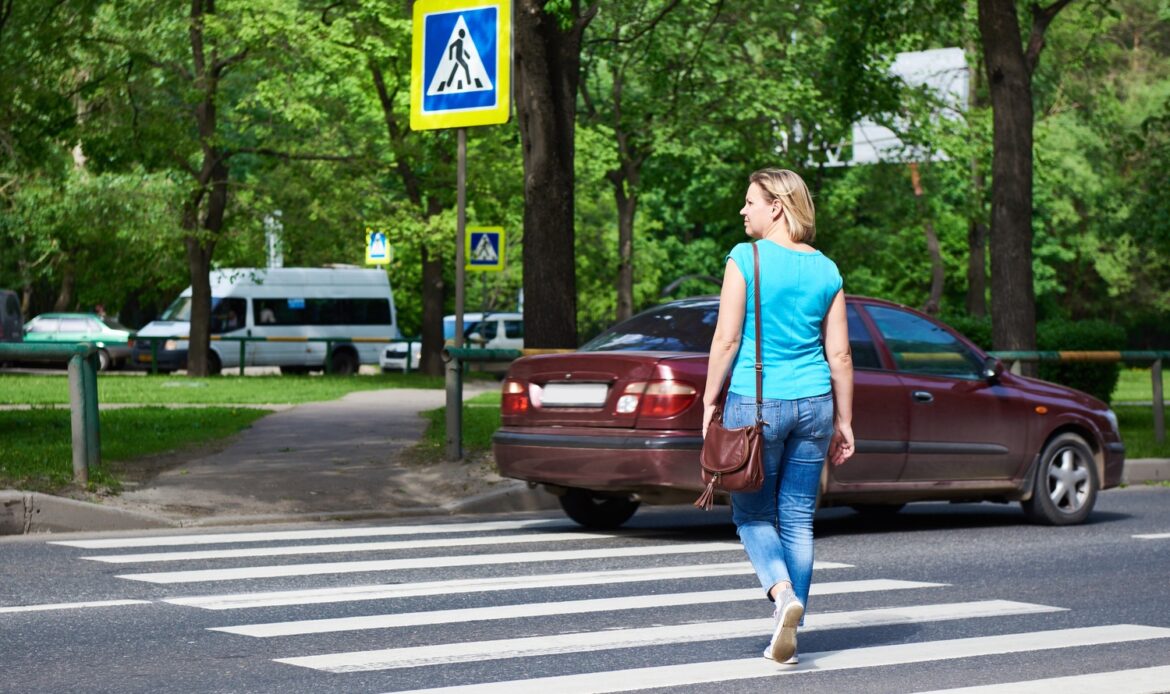
Pedestrians are among the most vulnerable road users, yet many drivers fail to recognize their legal rights and responsibilities toward them. While pedestrians do not always have the right of way, traffic laws strongly protect those traveling on foot. Distracted, speeding, or careless drivers who disregard crosswalks or fail to yield pose serious risks to pedestrians’ safety. A pedestrian accident, even a low-speed impact, can cause life-altering injuries.
Understanding when pedestrians have the right of way can help establish liability and protect your legal rights. At Slingshot Law, our dedicated Austin pedestrian accident attorneys are committed to defending the rights of injured pedestrians. We know how to prove driver negligence, challenge unfair blame, and fight for fair and just settlements. Whether a driver struck you in a crosswalk or a parking lot, we are here to protect your rights and pursue justice on your behalf.
Schedule a Free Initial Consultation
Pedestrian Accidents Key Takeaways
- Pedestrians generally have the right of way in both marked and unmarked crosswalks; however, specific laws and circumstances can affect fault.
- Outside crosswalks, pedestrians must yield, though drivers still have a duty to avoid collisions.
- Proving you weren’t at fault requires strong evidence, such as police reports, video footage, and witness testimony.
- Compensation may cover medical bills, lost income, pain and suffering, and other damages resulting from a pedestrian accident.
- Call a car accident lawyer for legal support after a pedestrian crash.
Do Pedestrians Always Have the Right of Way in a Crosswalk?
While pedestrians generally have the right of way in crosswalks, the legal reality is more complex than many people assume. Traffic laws prioritize pedestrian safety; however, specific circumstances and local regulations can impact right-of-way rules.
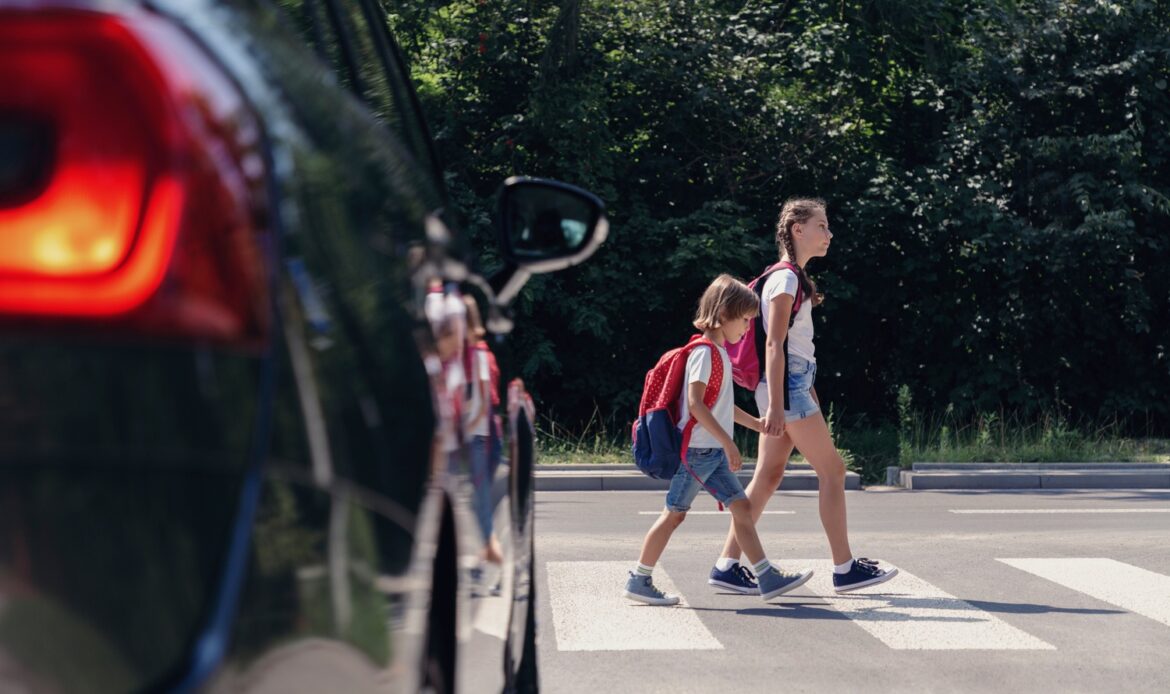
Here are the right-of-way rules at crosswalks:
Marked Crosswalks at Intersections
At marked crosswalks with traffic signals, pedestrians have the right of way when the walk signal is displayed. Drivers must yield and wait for pedestrians to cross completely before proceeding.
Even when turning at green lights, drivers are legally obligated to check for pedestrians in crosswalks and yield accordingly. Failure to do so constitutes negligence, as drivers must remain vigilant and prioritize pedestrian safety over their own convenience.
Unmarked Crosswalks
Many intersections have unmarked crosswalks, which are implied crossing areas at street corners, even without painted lines. Drivers often overlook their responsibility to yield at these locations, but pedestrians typically retain the right-of-way protection.
Motorists must exercise heightened awareness at all intersections, anticipating that pedestrians may cross and being prepared to stop, regardless of visible markings.
Mid-Block Crosswalks
At mid-block crosswalks away from intersections, pedestrians generally have the right of way, and drivers must yield when someone is crossing or about to enter the crosswalk. Drivers should approach these crosswalks with caution, reducing speed and scanning for pedestrians who may step into the crossing area.
Driver’s Duty of Care
Regardless of technical right-of-way rules, drivers always bear the responsibility to exercise reasonable care to avoid hitting pedestrians. Drivers must operate at safe speeds near crosswalks, eliminate distractions, and remain alert for people crossing the street.
Even if a pedestrian crosses against a signal or outside a designated area, drivers must still take all reasonable measures to prevent a collision. The law recognizes that vehicles are deadly weapons, and operators must prioritize human life above all else, maintaining constant vigilance to protect vulnerable road users.
Do Pedestrians Have the Right of Way if Not in a Crosswalk?
Generally, pedestrians do not have the automatic right of way when crossing outside designated crosswalks, a practice known as jaywalking. Traffic laws in most jurisdictions require pedestrians to yield to vehicles when crossing mid-block or at locations without crosswalks.
However, this doesn’t absolve drivers of their responsibility to exercise caution and avoid collisions.
Driver’s Ongoing Responsibility
Even when pedestrians cross illegally outside crosswalks, drivers must take reasonable steps to avoid hitting them. Motorists cannot simply claim the right of way and proceed without regard for pedestrian safety.
Drivers should remain alert, reduce speed when pedestrians are visible near roadways, and take evasive action when necessary to prevent accidents.
Shared Liability
While pedestrians crossing outside crosswalks may be partially at fault in accident cases, drivers who fail to exercise due care can still be held liable. Courts recognize that vehicles pose lethal danger, and operators must drive defensively, anticipating that pedestrians might enter roadways unexpectedly.
Factors such as visibility, traffic density, time of day, and road conditions influence driver responsibilities. In areas with heavy pedestrian traffic or poor lighting, drivers must exercise heightened vigilance.
Regardless of technical right-of-way rules, drivers must prioritize human safety and take all reasonable precautions to avoid pedestrian crashes.
How to Prove an Accident Wasn’t Your Fault
Proving you weren’t at fault in a pedestrian accident requires compelling evidence that demonstrates the other party’s negligence caused the collision. While drivers or insurance companies may attempt to shift blame onto pedestrians, a skilled pedestrian accident attorney can help.
They know how to gather and present evidence that establishes the cause of the accident. Establishing fault involves collecting multiple forms of documentation and testimony that paint a clear picture of what happened and who bears responsibility.
A pedestrian accident lawyer can prove fault using:
Police Reports
Official police reports provide third-party documentation of the accident scene, including the officer’s assessment of fault and any traffic citations issued. A pedestrian accident attorney can use these reports to establish that the driver violated traffic laws, failed to yield, or was cited for negligence.
The officer’s professional observations about skid marks, vehicle damage, and witness statements carry weight in proving the driver’s responsibility for the crash.
Eyewitness Testimony
Independent witnesses who saw the accident unfold offer unbiased accounts that corroborate your version of events. A motorcycle accident lawyer can interview witnesses to obtain detailed statements about the driver’s actions.
They can use eyewitness testimony to prove if the driver was speeding, distracted, or failed to stop at the crosswalk. Credible witness testimony can counter a driver’s false claims and establish that you were crossing legally when the negligent driver struck you.
Surveillance and Traffic Camera Footage
Video footage from nearby businesses, traffic cameras, or dashcams provides irrefutable visual evidence of the accident. A pedestrian accident lawyer can subpoena this footage before it’s deleted, using it to show exactly how the collision occurred.
Video evidence can prove you were in a crosswalk, had the walk signal, or that the driver ran a red light. The footage can also reveal if the driver was texting or failed to yield, making it nearly impossible for the other party to dispute liability.
Accident Scene Photographs
You can reconstruct the crash using photographs of the accident location, crosswalk markings, traffic signals, skid marks, vehicle damage, and road conditions. A pedestrian accident lawyer can use these images to demonstrate visibility conditions, proper signage, and physical evidence that supports your account.
Photos showing the vehicle’s point of impact can prove the driver’s trajectory and speed, establishing their negligent approach to the intersection.
Medical Records and Injury Documentation
Medical records can establish the severity and nature of your injuries, which often correlate with the force and manner of impact. A pedestrian accident attorney can use injury patterns to demonstrate how the collision occurred.
They can prove an injury that is consistent with being struck by a vehicle traveling at high speed or from a particular direction. Medical records also establish causation, proving your injuries resulted directly from the driver’s negligence.
Expert Witness Testimony
An accident reconstruction expert can analyze physical evidence, vehicle damage, and road conditions to determine the circumstances of the crash. A pedestrian accident lawyer can work with experts to recreate the accident, proving the driver’s speed, reaction time, and failure to exercise proper care.
Traffic Signal and Timing Records
Records showing traffic signal timing and pedestrian crossing intervals can prove you had the right of way when crossing. A pedestrian accident attorney can obtain municipal records demonstrating that the walk signal was active.
They can also establish that the driver provided insufficient time for safe crossing, proving that you acted lawfully while the driver violated traffic control devices.
Driver’s Admission and Statement Analysis
Statements the driver made at the scene, to police, or to their insurance company can contain admissions of fault or inconsistencies that prove negligence. A pedestrian accident lawyer can analyze these statements for contradictions, admissions of distraction, or acknowledgments of traffic violations.
Compensation for Pedestrian Accidents
Pedestrian accidents often result in severe injuries that create financial, physical, and emotional hardships. You can initiate a lawsuit or insurance claim to recover compensation for your losses. A comprehensive claim addresses both economic losses and non-economic damages that compensate for intangible suffering.
Here are the damages you can pursue in a pedestrian accident:
Medical Expenses
You’re likely to incur medical expenses while recovering from an injury. You can recover medical expenses for the following costs related to treating your injuries:
- Emergency room charges
- Hospitalization
- Surgeries
- Diagnostic tests
- Medications
- Medical equipment
- Ongoing rehabilitation
These damages cover past medical bills already incurred and future medical care you’ll require, such as physical therapy, follow-up surgeries, or long-term treatment.
Lost Income
You can pursue compensation for the income you couldn’t earn while recovering from your injuries. Components of lost income include salary, hourly income, commissions, bonuses, and self-employment income lost during your recovery period.

You can recover compensation for diminished future earnings if your injuries prevent you from returning to your previous occupation.
Out-of-Pocket Expenses
You can also recover out-of-pocket expenses for various costs directly related to the accident. These damages cover transportation to medical appointments, home modifications for disability accommodations, and household services you can no longer perform yourself.
Mental Anguish
Mental anguish compensation addresses the psychological trauma and emotional distress caused by the accident. Mental anguish can take many forms, including anxiety, depression, post-traumatic stress disorder, fear of crossing streets, or sleep disturbances.
Pain and Suffering
Pain and suffering damages compensate for the discomfort, pain, trauma, and ongoing distress caused by your injuries. These damages can cover the immediate pain from the impact, discomfort during recovery, and lingering pain from permanent injuries.
Loss of Enjoyment of Life
Loss of enjoyment of life addresses your inability to participate in activities, hobbies, and experiences you enjoyed before the accident. You can initiate a claim if you can no longer play sports, travel, or engage in recreational activities.
Loss of Consortium
Loss of consortium compensates your spouse or family members for the loss of companionship, affection, intimacy, and support resulting from your injuries. These damages recognize that serious pedestrian accidents also impact their relationships and family dynamics.
Punitive Damages
A judge can award you punitive damages in a case involving egregious negligence, such as drunk driving or intentional misconduct. Unlike compensatory damages that address your losses, punitive damages punish the wrongdoer and deter similar behavior.
Get the Compensation You Deserve After a Pedestrian Crash
If a negligent driver struck you, you should not have to bear the financial and health burdens alone. Insurance companies may try to minimize your claim, but our dedicated Austin personal injury attorneys at Slingshot Law will fight to protect your rights.
We can use evidence to face insurers or represent you in court to maximize your recovery. Contact us online or at (866)647-1311 to schedule an initial consultation.
Pedestrian Accident Frequently Asked Questions
How Long Does It Take to Settle a Pedestrian Accident?
Pedestrian accident settlements typically take several months to over a year, depending on injury severity, liability disputes, and negotiation complexity. Simple cases with apparent fault and minor injuries may resolve within months.
In contrast, serious injuries requiring extensive treatment or contested liability can take years to reach a fair settlement or trial resolution.
How Much Money Will I Get if I was Hit by a Car?
Compensation depends on factors such as the severity of the injury, the level of legal representation, available insurance coverage, and the determination of fault. Cases range from modest settlements for minor injuries to substantial recovery for catastrophic, permanent injuries requiring lifetime care.
Can I Sue After Being Hit by a Car?
Yes, you can sue the negligent driver for your injury-related losses. Legal action becomes necessary when insurance settlements are inadequate or liability is disputed.