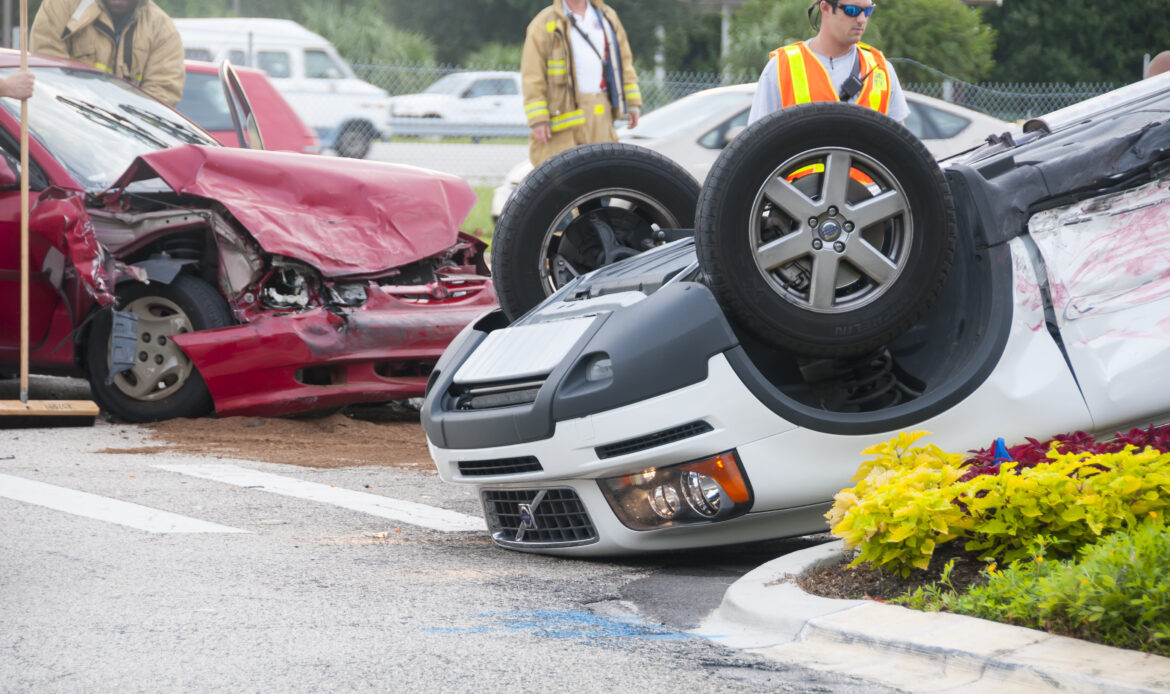
Rollover accidents are among the most terrifying types of crashes. The vehicle flips onto its side or roof, often multiple times. Occupants face serious injuries or death. These crashes happen quickly but leave lasting damage.
At Slingshot Law Injury Attorneys, our car accident lawyer in Austin, TX, represents rollover accident victims injured by another person’s or entity’s negligence. Our team applies the same detailed investigation, client-focused care, and commitment to justice that define our work. We fight for the compensation our clients deserve while offering the guidance and support they need. If you’ve suffered an injury in a rollover crash, reaching out to a lawyer helps protect your rights from the start.
Schedule a Free Initial Consultation
Key Takeaways: Rollover Accident Claims
- Rollover accidents cause some of the most severe injuries and the highest fatality rates of any crash type.
- SUVs, vans, and trucks have higher rollover risk due to their higher centers of gravity.
- Driver actions, such as speeding, overcorrecting, or taking curves too fast, often trigger rollovers.
- Vehicle defects, including tire failures, roof crush, and stability control malfunctions, can cause or worsen rollovers.
- Ejection from the vehicle during a rollover dramatically increases injury severity and death risk.
- Multiple parties may be liable, including other drivers, vehicle manufacturers, tire companies, or government entities.
- Working with a personal injury lawyer ensures all responsible parties are held accountable for your damages.
What Makes Rollover Accidents So Dangerous
Rollover crashes subject occupants to extreme forces as the vehicle rotates violently. People inside get thrown around, hitting the roof, windows, and doors. Seatbelts help, but cannot prevent every injury when a car is tumbling.
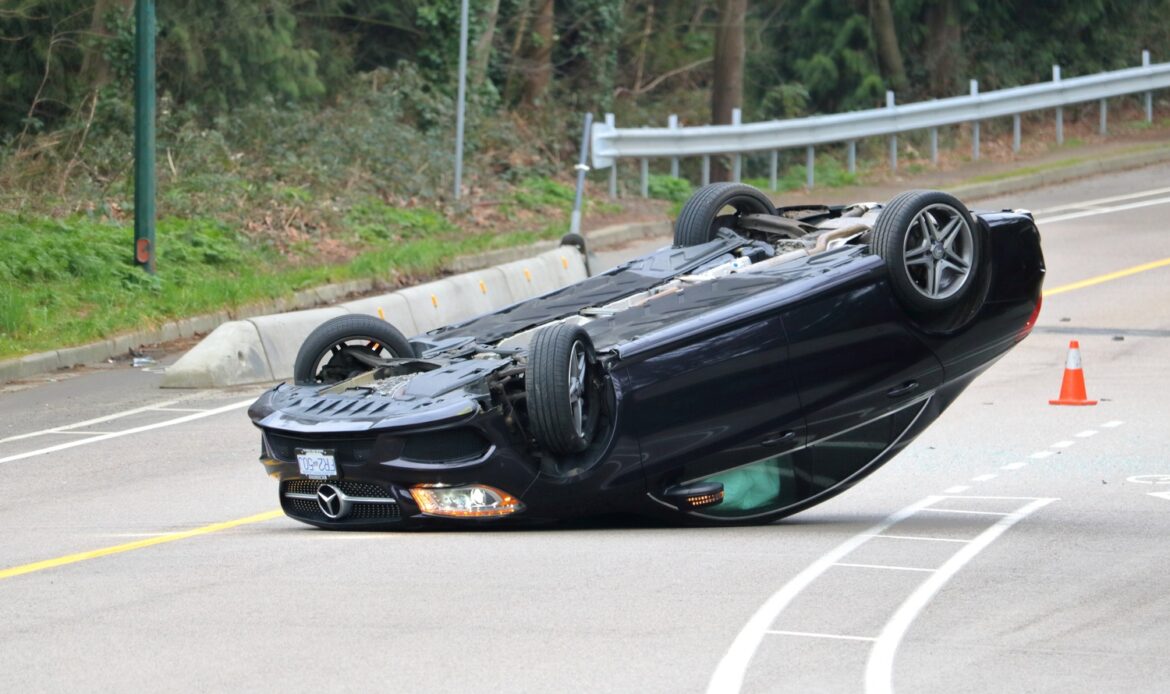
Roof collapse is common in rollovers. When the roof pushes inward, it crushes the passenger compartment and causes head and neck injuries. Modern vehicles have rollover protection standards, but some roofs still fail under intense pressure.
Ejection from the vehicle is another major danger, especially when occupants are unbelted. Being thrown from the car almost always leads to severe injuries or death. A vehicle can strike you, or you can hit the pavement or nearby objects at high speed.
Multiple impacts occur as the vehicle rolls. Each rotation creates another collision, and the combined force causes serious trauma.
Common Causes of Rollover Crashes
Single-vehicle rollovers often start with driver actions. Taking a curve too fast causes the vehicle to lose control and tip over. Overcorrecting when drifting off the road can cause the vehicle to flip. Sudden swerving to avoid an obstacle creates forces that can lead to rollovers.
Collisions with other vehicles can trigger rollovers. Being hit from the side, especially in the door area, can cause your vehicle to tip over. Being forced off the road into a ditch or embankment often results in a rollover. High-speed rear-end collisions can cause vehicles to roll.
Tire failures cause many single-vehicle rollovers. When a tire blows out, especially at high speeds on the highway, drivers often lose control. The vehicle may veer off the road, or the driver may overcorrect. Either situation can lead to a rollover.
Road conditions contribute to rollover risk. Soft shoulders can catch tires and cause the vehicle to tip. Steep embankments increase the likelihood of rollover when vehicles leave the roadway. Poor road design at curves or intersections creates dangerous situations.
Weather affects rollover risk, too. Rain makes roads slippery, reducing traction. Snow and ice make it easier to lose control. Drivers who fail to adjust their speed to match the conditions put themselves and others at risk.
Why SUVs and Trucks Roll Over More Often
Vehicle design plays a major role in rollover risk. SUVs, pickup trucks, and vans have higher centers of gravity than passenger cars, making them more prone to tipping when subjected to lateral forces. The physics are direct. Taller vehicles with weight positioned higher above the road are less stable. During sharp turns or sudden maneuvers, the center of gravity can shift outside the wheelbase, causing a rollover.
Manufacturers understand this risk and must take it into account. Electronic stability control helps prevent rollovers by detecting loss of control and braking individual wheels as needed. Some systems work better than others, and older vehicles may not have this feature.
Tire selection also matters. Proper tires improve stability, while poor choices or inadequate maintenance increase the risk of rollover.
Injuries That Result From Rollover Accidents
Head and brain injuries are common in rollovers. Your head can hit the roof, windows, or pillars multiple times, causing concussions or severe traumatic brain injuries that can change lives permanently. Spinal cord injuries often occur as the head whips around, with neck injuries frequent and damage potentially leading to partial or full paralysis.
Broken bones happen when body parts strike the interior or the vehicle crushes inward. Arms, legs, ribs, and facial bones are especially vulnerable. Internal injuries can tear organs or cause bleeding, sometimes hidden but life-threatening.
Lacerations from shattered glass are widespread, and burns can result if the vehicle ignites, posing extreme danger.
Multiple Parties May Be Responsible
Other drivers often share or bear full responsibility for causing the crash that led to a rollover. Someone who runs a red light and hits your vehicle, forcing it to roll, is liable for your injuries. Drunk drivers who cause collisions resulting in rollovers face both criminal charges and civil liability.
You can hold vehicle manufacturers liable when design defects cause a rollover or worsen injuries. Roofs that collapse too easily fail to meet safety standards. Stability control systems that malfunction or fail to function as advertised put occupants at risk. Poorly designed door latches that open during rollovers allow ejection.
Tire manufacturers bear responsibility when defective tires cause rollovers. Tread separation, blowouts, and other tire failures have caused thousands of rollover crashes. When manufacturers are aware of defects but fail to recall tires, they’re liable for resulting injuries.
Government entities may be responsible if road design or maintenance problems contributed to the crash. Improperly designed curves, missing guardrails, or poorly maintained road surfaces can cause vehicles to leave the roadway and roll. Municipalities and counties have duties to maintain safe roads.
Determining all liable parties requires a thorough investigation. Your personal injury lawyer reviews every aspect of the crash to identify all parties who should be held accountable. This ensures maximum compensation from all available sources.
The Investigation Process After a Rollover
Accident reconstruction plays a crucial role in rollover cases. Professionals analyze the physical evidence to determine exactly what happened. They calculate vehicle speeds, rotation rates, and impact forces. This scientific analysis proves how the crash occurred.
Vehicle inspection often reveals crucial evidence. Examining the crashed vehicle can show mechanical failures that contributed to the rollover. Tire defects, brake problems, or steering issues may come to light. This inspection must happen before the vehicle gets junked.
Road inspection documents conditions at the crash scene. Photographs show curves, road surfaces, shoulder drop-offs, and sight distances. These images preserve evidence that might change over time. Weather and traffic data from the time of the crash provide additional context.
Witness statements help piece together what happened. Other drivers may have seen actions that led to the crash. Passengers can describe what occurred inside the vehicle. Emergency responders can provide information about the crash scene.
Black box data from the vehicle records information about speed, braking, steering input, and seatbelt use in the seconds leading up to and during the crash. This electronic data often proves critical facts about the accident.
Why Rollover Cases Are Legally Complex
Multiple defendants complicate these cases. Suing a negligent driver, the vehicle manufacturer, and the tire company means dealing with three sets of defense lawyers. Each defendant tries to blame the others. Coordinating litigation against multiple parties requires experience and resources.
Product liability claims involve different legal standards than negligence claims. You must understand engineering, safety regulations, and industry standards to prove a vehicle or tire had a design defect. Your lawyer must work with technical professionals who can explain these issues.
Damages in rollover cases are often catastrophic. Paralysis, traumatic brain injuries, and other permanent disabilities require lifetime care. Calculating these damages involves life care planners, vocationalists, and economists. The complexity reflects the severity of injuries.
Defense tactics include blaming the victim. Defendants claim you were speeding, not wearing a seatbelt, or driving recklessly. They’ll use any argument to reduce their liability. Your car accident attorney counters these tactics with evidence proving the real causes.
How Insurance Companies Handle Rollover Claims
Insurance adjusters scrutinize rollover claims. The high injury severity means there is a large potential for payouts. Companies look for any excuse to deny claims or reduce payments. They’ll investigate every detail, looking for ways to blame you.
Quick settlement offers may come early. Insurance companies know desperate people facing huge medical bills might accept inadequate settlements. These early offers never account for full damages, especially future needs. Rejecting these offers and working with a personal injury lawyer usually results in much higher compensation.
Multiple insurance policies may apply. The at-fault driver’s liability insurance covers their negligence. Your underinsured motorist coverage may apply if the other driver’s insurance is insufficient. Manufacturers and tire companies carry product liability insurance. Identifying all available insurance maximizes your compensation.
Litigation becomes necessary when insurance companies won’t pay fairly. Rollover cases often require lawsuits to force reasonable settlements. The threat of trial and potential jury verdicts motivates better settlement offers.
Why You Need a Personal Injury Lawyer for Rollover Cases
The complexity of rollover cases requires legal help. Multiple defendants, product liability issues, and catastrophic damages create challenges you can’t handle alone. Insurance companies count on you being overwhelmed and accepting less than you are entitled to.
Car accident attorneys have the resources to investigate thoroughly. We hire accident reconstruction professionals, vehicle safety specialists, medical professionals, and other professionals who build compelling cases. These investigations cost thousands but are necessary for maximum recovery.
Negotiation skills matter enormously. We know what rollover cases are worth based on experience with similar claims. We know when offers are fair and when they’re insulting. We don’t recommend settling until we’ve secured maximum compensation.
Trial experience provides leverage. Insurance companies are aware that we’ll take cases to court if necessary. Our willingness and ability to try cases often result in better settlement offers. When trials become necessary, we’re prepared to fight.
Taking Action After Your Rollover Accident with A Car Accident Lawyer
Rollover accidents are life-altering. The injuries are severe, recovery takes time, and the financial burden is heavy. You deserve full compensation to cover your care and support your family.

At Slingshot Law Injury Attorneys, our personal injury lawyers in Austin, TX, vigorously fight for the rights of rollover victims. We thoroughly investigate each case, work with medical and engineering professionals, and pursue every legal avenue to maximize your recovery. We’ve successfully challenged insurance companies, vehicle manufacturers, and other liable parties.
We understand what you are going through and provide compassionate, personalized support throughout your recovery and litigation. Acting quickly is essential to protect evidence and your rights.
Call Slingshot Law Injury Attorneys today at (800) 488-7840. We handle rollover cases on a contingency basis, so you pay nothing unless we win. Let us fight while you focus on healing.
Rollover Accident Questions and Answers
What should I do if my car starts to roll over?
Stay calm, keep your seatbelt fastened, and brace yourself for impact. After the vehicle stops, assess injuries and call for help. Then contact a personal injury lawyer before speaking with insurance companies.
Can I sue the vehicle manufacturer after a rollover?
Possibly. If design defects made the vehicle more prone to rolling or exacerbated injuries, the manufacturer may be liable. Your lawyer investigates whether product liability claims apply to your case.
How long do rollover accident cases take to resolve?
These complex cases often take longer than simple car accidents. Multiple defendants, technical issues, and serious injuries can result in settlements that take a year or more. Your lawyer can provide a more accurate timeline after reviewing your case.
What if the other driver had no insurance?
Your own uninsured motorist coverage may provide compensation. Your personal injury lawyer explores all options for recovery, including claims against vehicle or tire manufacturers if product defects played a role.