


Personal injury cases arise from many types of accidents, including motor vehicle collisions, slips and falls, and dog attacks. These accidents often leave victims facing painful physical injuries, mounting medical bills, and an overwhelming disruption to daily life.
If someone else’s negligence harmed you, the law gives you the right to pursue damages to recover your financial losses. However, you must prove how the actions of the negligent party caused the accident and your losses.
Our San Marcos personal injury attorneys at Slingshot Law understand the damages applicable to your case and can fight for the compensation you deserve. We also know insurer tactics and how to build strong, evidence-based cases that clearly document your financial losses.
Key Takeaways about Special Damages in PI Lawsuits
- Pedestrians can share fault, but strong evidence helps clarify liability and protect your rights.
- Proving that you were not at fault requires police reports, footage, eyewitness testimony, professional analysis, and medical documentation.
- Compensation may cover medical bills, lost income, out-of-pocket costs, emotional anguish, and more.
- Hire a lawyer when severe injuries, disputed liability, unclear losses, or bad-faith insurance actions arise.
- Call a personal injury attorney to pursue a fair and just settlement value.
What Are Special Damages in Personal Injury?
Special damages, also known as economic damages, represent the quantifiable financial losses a victim suffers due to their injuries. Unlike general damages, which compensate for subjective harm such as pain and suffering, special damages have specific dollar amounts attached to them.

These damages are calculated based on actual expenses, bills, receipts, and documented financial impacts. Special damages reimburse the injured person for out-of-pocket costs and lost income directly caused by the accident, aiming to make them whole.
Proper documentation can enhance the value of your special damages claim. A personal injury lawyer can use medical bills, pay stubs, receipts, and professional testimony to establish the precise value of your economic losses.
Common scenarios that generate special damages in pedestrian accident cases include:
- Medical expenses cover emergency room visits, hospital stays, surgeries, medications, physical therapy, and ongoing treatment costs.
- Lost income from time missed at work during recovery, including future earning capacity if injuries cause permanent disability.
- Transportation costs for medical appointments, including mileage, parking, public transit, or rideshare expenses.
- Home modifications, such as wheelchair ramps, bathroom safety equipment, or accessibility renovations, may be necessary due to permanent injuries.
- Rehabilitation services, including occupational therapy, vocational training, or psychological counseling, are required for recovery and adjustment to life-altering injuries.
How Much Can I Sue for Personal Injury?
Determining how much you can sue for in a personal injury case depends on multiple factors that collectively influence the value of your claim. Every accident is unique, and the compensation ultimately awarded considers both economic and non-economic damages.
Here are the factors that influence how much you can sue for a personal injury:
Severity of Injury
The seriousness of your injuries is often the primary determinant of a personal injury claim’s value. More severe injuries, such as broken bones, spinal cord damage, traumatic brain injuries, or long-term disabilities, result in higher compensation.
The higher settlement value or award covers extensive medical treatment, long-term care, and limitations on your ability to work or perform daily activities. Milder injuries, such as sprains or cuts, generally result in lower awards, as the impact on your life and finances is less substantial.
Insurance Coverage Limits
The insurance coverage of the negligent party is the source of compensation for the injured party. Therefore, the at-fault party’s insurance coverage sets a practical ceiling on how much compensation is available.
If the driver or responsible party has higher policy limits, your potential recovery may increase. Conversely, lower insurance coverage caps may restrict the payout, even if your damages are substantial.
A personal injury attorney can explore all available insurance sources, including additional policies, umbrella coverage, and underinsured motorist coverage, to maximize your recovery.
Availability of Evidence
Evidence is the foundation of all legal claims. Therefore, strong evidence enhances the value of a personal injury lawsuit by demonstrating liability, the extent of injuries, and the impact on your life.
A personal injury lawyer can use the following sources of evidence to enhance the value of your lawsuit:
- Police reports
- Witness statements
- Photographs of the scene
- Video footage or traffic camera recordings
- Medical records and treatment summaries
- Professional testimony on injury or accident reconstruction
- Prescription and medical bills
- Pay stubs and tax records to prove lost income
- Vocational assessments showing reduced earning capacity
Legal Representation
An experienced personal injury lawyer can greatly influence the outcome of your lawsuit. They know how to calculate fair compensation, gather evidence, negotiate with insurance companies, and advocate aggressively in court.
You’re likely to accept a lower settlement value if you engage in settlement negotiations without a legal professional. They will present your case clearly and persuasively, enhancing the likelihood of higher compensation.
Shared Fault
Shared fault arises when the injured party is partly at fault for the crash. When a shared fault applies, compensation is reduced proportionally to the degree of fault. For example, if a pedestrian shares 20 percent of the fault for not using a crosswalk and total damages reach $100,000, the payout decreases by that 20 percent.
A personal injury lawyer can challenge inflated or inaccurate fault assessments, ensuring that any shared liability does not unfairly diminish your recovery.
Duration of Recovery Period
The length of time required to recover from your injuries can also affect the settlement value or court award. Longer recovery periods translate to higher settlement values because they involve extended medical care, longer absences from work, and more significant disruption to daily life.
Shorter recovery periods generally result in lower compensation, reflecting a lesser impact on your economic and personal life.
How to File a Personal Injury Lawsuit
While many injured victims obtain compensation from the insurer of the at-fault party, some cope without financial support. You can, therefore, initiate a lawsuit to protect your right to fair compensation.
While every case is unique, understanding the general steps helps injured victims know what to expect. A personal injury attorney guides clients through each stage, handling the legal processes while you focus on recovery.
Here are the steps for initiating a personal injury lawsuit:
Initial Consultation and Case Evaluation
The process begins when a personal injury attorney reviews your case during an initial consultation. The attorney examines accident details, injuries, medical records, police reports, and available evidence to assess the strength of the claim.
They can identify liable parties, evaluate potential damages, and determine whether settlement negotiations or litigation is the most suitable option. The evaluation stage helps establish realistic expectations about case value and timeline.
Investigation and Evidence Gathering
A personal injury lawyer conducts a thorough investigation to build a compelling case. They collect accident scene photographs, surveillance footage, witness statements, and professional opinions.
Medical records are obtained and reviewed to document the severity of the injury and associated treatment costs. A personal injury lawyer may work with accident reconstruction specialists, medical professionals, and economists to establish liability and quantify damages.
Pre-Litigation Negotiations
Before filing a lawsuit, a personal injury lawyer typically attempts to negotiate a settlement with insurance companies. They submit a demand letter outlining liability, damages, and compensation sought.
A personal injury lawyer can handle all communications with adjusters, countering lowball offers and advocating for fair compensation on your behalf. Many cases are resolved during settlement negotiations, thereby avoiding the time and expense of litigation. However, if insurers refuse a reasonable settlement, filing a lawsuit becomes necessary.
Drafting and Filing the Complaint
When negotiations fail, a personal injury attorney can prepare a formal complaint, the legal document initiating the lawsuit. The complaint identifies the parties, describes the accident and injuries, establishes the legal grounds for liability, and specifies the damages sought.
A personal injury lawyer ensures the complaint meets all technical requirements and files it with the appropriate court before the statute of limitations expires. They also formally serve the defendant with the complaint and summons.
Discovery Process
During discovery, both sides exchange information and evidence. A personal injury lawyer conducts depositions, in which they question the defendant and witnesses under oath. They also respond to interrogatories, document requests, and admissions from opposing counsel.
The discovery phase allows a personal injury attorney to strengthen your case by uncovering additional evidence and assessing the defendant’s defenses. Discovery can take months, but it provides insights into case strategy.
Motions and Pre-Trial Proceedings
A personal injury lawyer may file motions to exclude improper evidence, dismiss frivolous defenses, or resolve legal issues before trial. They participate in pre-trial conferences where judges encourage settlement discussions. Many cases settle during this phase as both sides reassess their positions based on discovery findings.
Trial Preparation and Litigation
If settlement remains elusive, a personal injury attorney can prepare for trial by organizing evidence, preparing witnesses, and developing courtroom strategy. They present your case to a judge or jury, cross-examine defense witnesses, and deliver compelling arguments.
How Long Does a Personal Injury Lawsuit Take?
The duration of a personal injury lawsuit can vary significantly depending on the nature of the case, the severity of the injuries, and the progression of the legal process. While some claims settle relatively quickly, others may take months or even years to resolve.
Here are the factors likely to influence the timeline of the lawsuit:
Severity of Injuries
The more serious your injuries, the longer a lawsuit may take. Cases involving long-term medical treatment, surgeries, or ongoing rehabilitation require careful documentation of all medical expenses, recovery progress, and long-term impacts.
A personal injury attorney may also wait until your condition stabilizes to fully calculate damages, which can extend the timeline.
Liability Disputes
If liability is clear and undisputed, cases often settle faster. On the contrary, disputes over fault, involvement of multiple parties, or allegations of shared fault can cause delays.
A personal injury lawyer must gather more evidence, conduct depositions, and potentially work with accident reconstruction professionals.
Insurance Company Delays
Insurance companies may attempt to minimize payouts by requesting extensive documentation, disputing claims, or delaying negotiations. These tactics can prolong settlement discussions. An experienced personal injury attorney can handle insurers on your behalf to minimize delays.
Court Schedules and Litigation
If a case proceeds to trial, court availability and scheduling can add months or years. Pre-trial motions, discovery, and professional testimony also contribute to the overall timeline. A personal injury lawyer can prepare for trial to avoid unnecessary delays and to ensure the strongest possible presentation in court.
Settlement Negotiations
Negotiating a fair settlement can be time-consuming, especially in cases involving severe injuries. A personal injury attorney must work to maximize your recovery while balancing the goal of avoiding prolonged litigation.
Get the Compensation You Deserve for Your Losses
Special damages restore the financial stability you lost as a result of the accident. However, proving these losses requires clear documentation, detailed evidence, and strong legal representation.
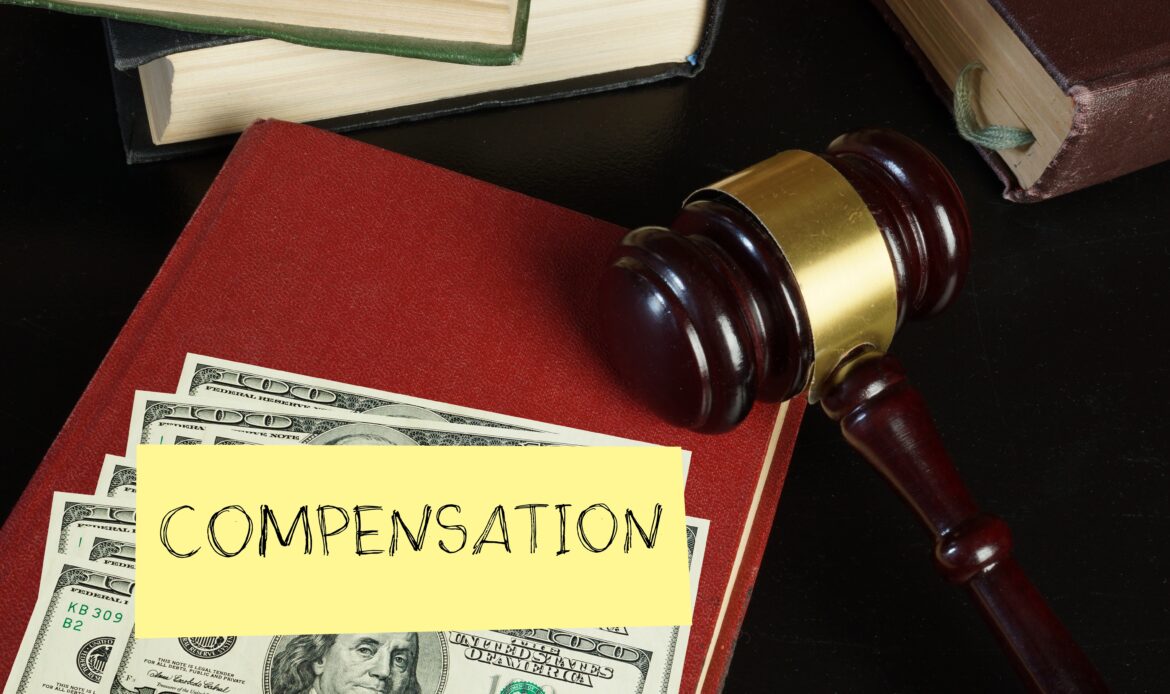
Our personal injury lawyers at Slingshot Law carefully gather records, challenge attempts to undervalue your expenses, and present a compelling case. With our guidance, you can protect your rights and pursue the fair compensation you are entitled to.
Contact us for a free case review.
Special Damages: Frequently Asked Questions
What are the Chances of Winning a Personal Injury Lawsuit?
A personal injury lawyer can enhance your chances by gathering compelling evidence, proving liability, and accurately valuing damages. They can also strategically negotiate with insurers by presenting persuasive arguments.
Their experience in legal procedure, case preparation, and courtroom advocacy maximizes your potential for favorable outcomes.
How Much Does a Personal Injury Lawyer Cost?
Personal injury lawyers typically work on a contingency basis, requiring no upfront payment. They receive a percentage of your settlement or verdict only if you win. This arrangement makes legal representation accessible regardless of financial situation, aligning the lawyer’s success with yours.
Is It Worth Hiring a Personal Injury Attorney?
A personal injury attorney protects your rights, accurately values your claim, handles legal procedures, negotiates with insurers, and maximizes compensation. Their support helps you make informed decisions throughout the process, improving outcomes.